Featured Titanium Fasteners & Hollow Hardware Portfolio
Direct supply from Baoji Titanium Valley with mill-traceable Ti-6Al-4V alloys, CNC precision tolerances down to ±0.005 mm, and specialized surface treatments.
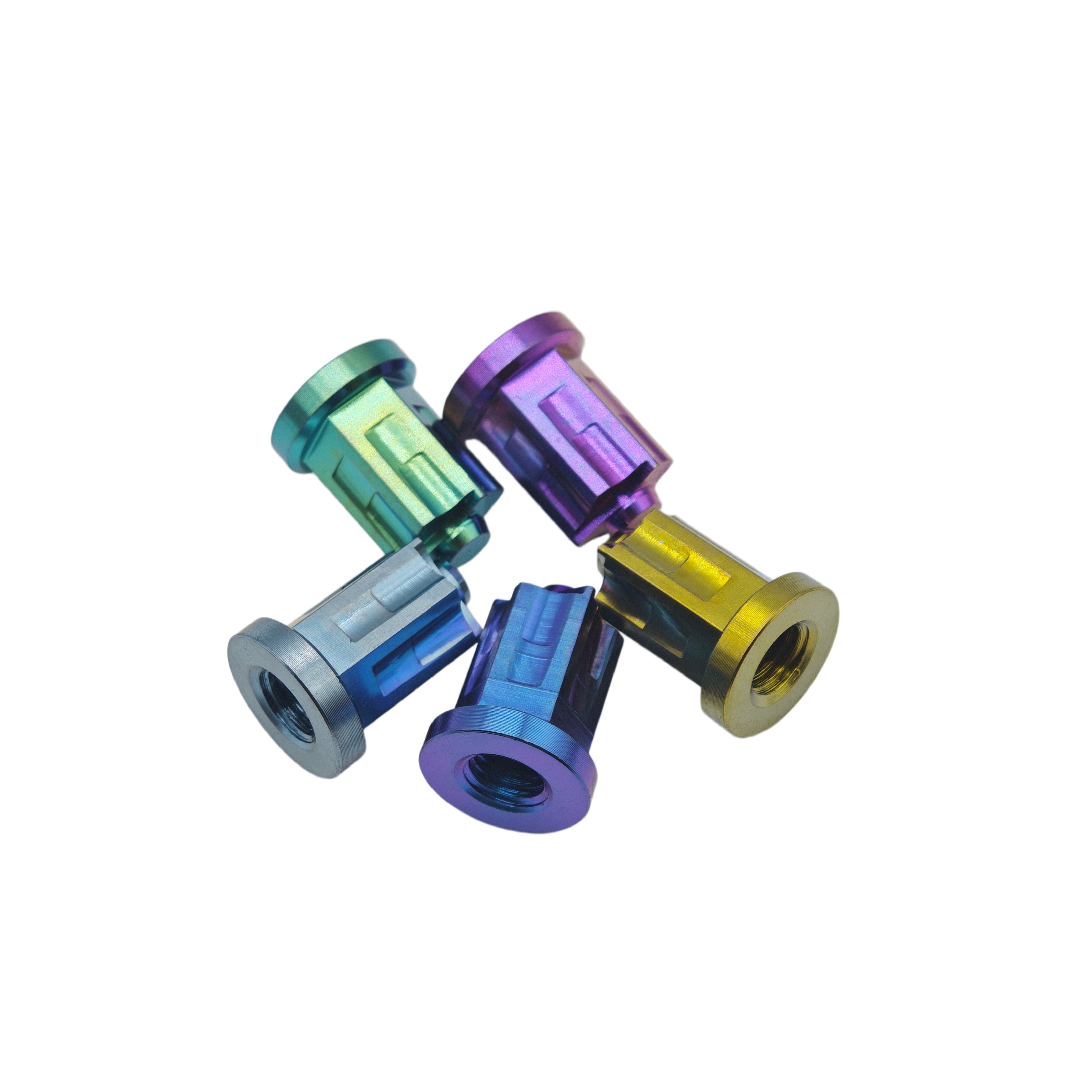
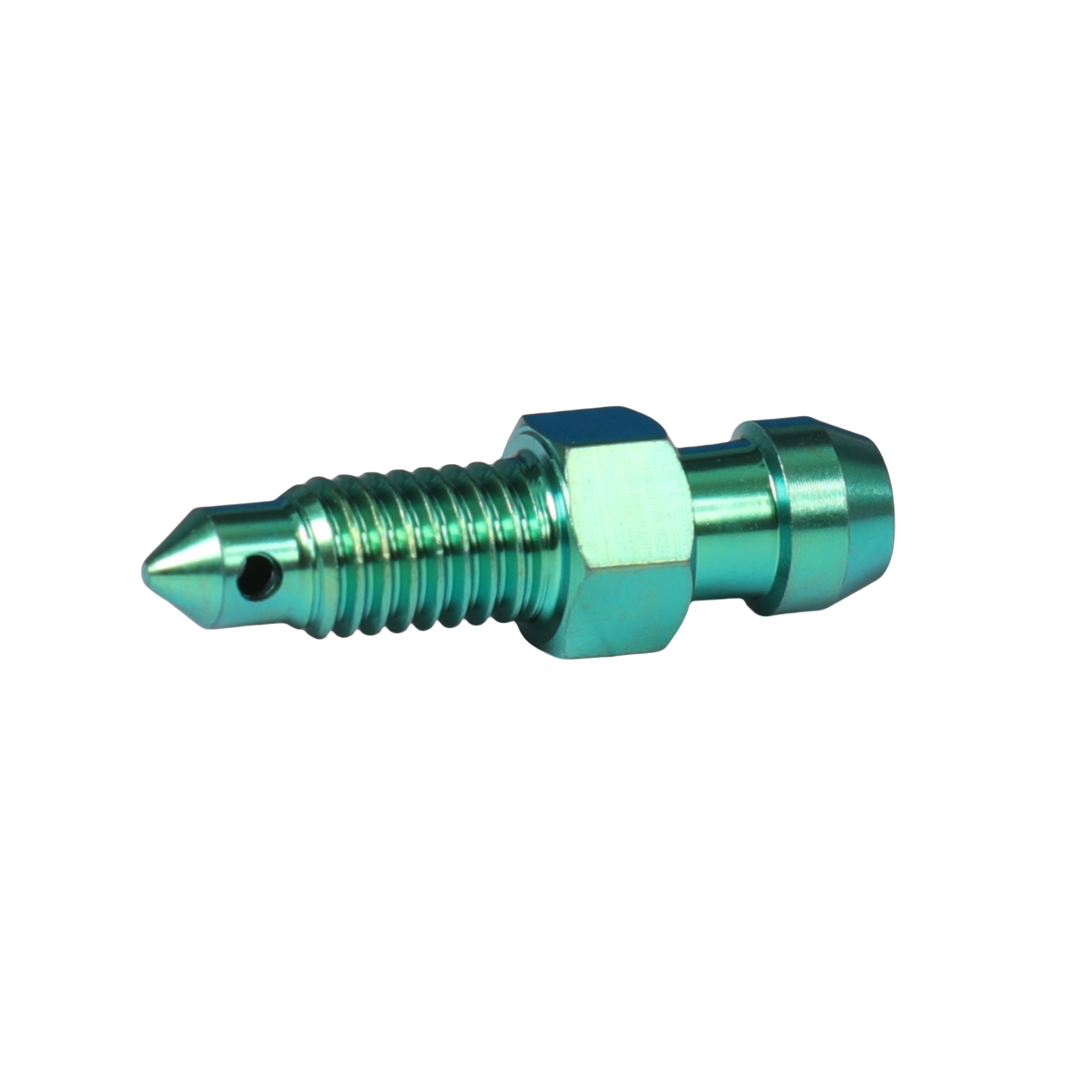
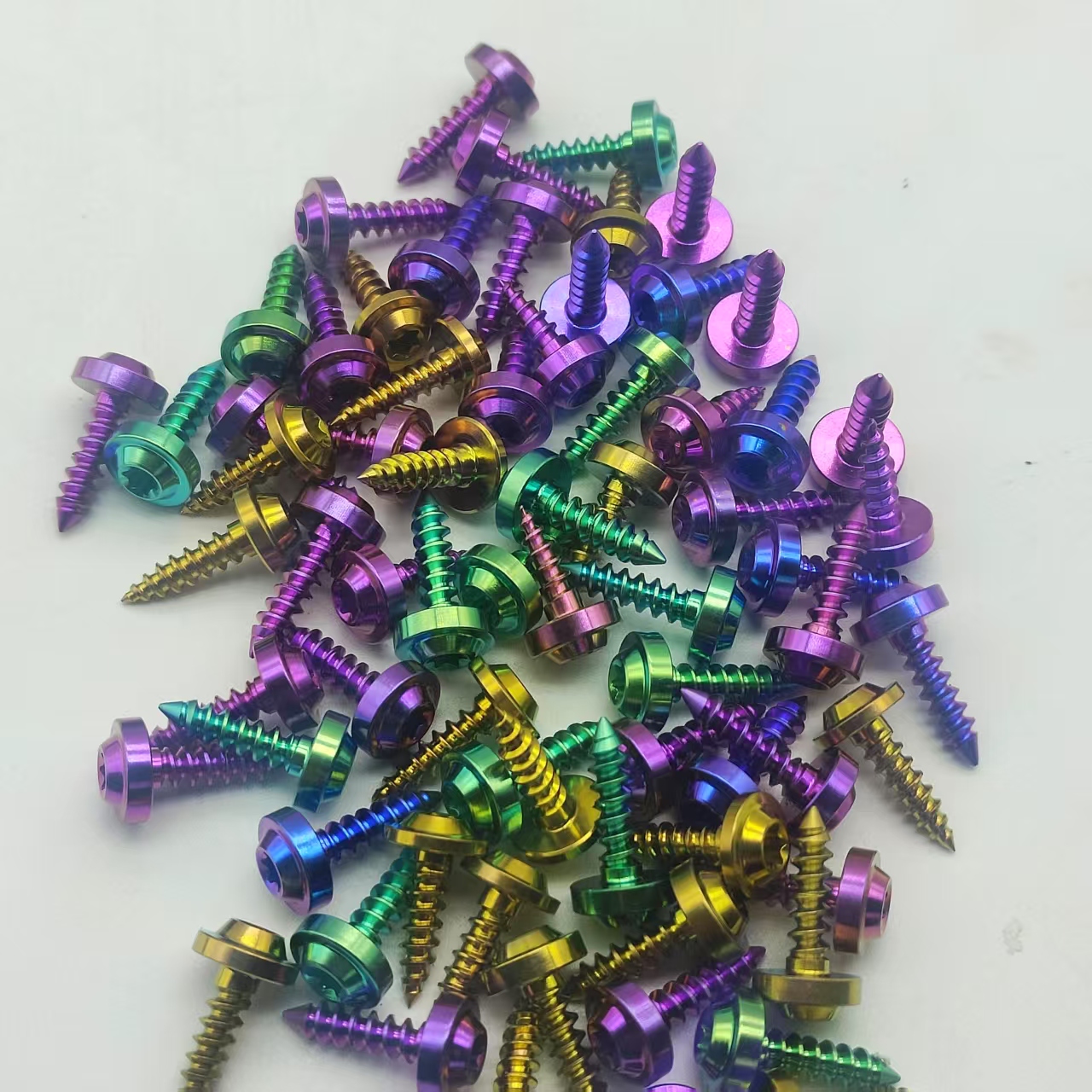
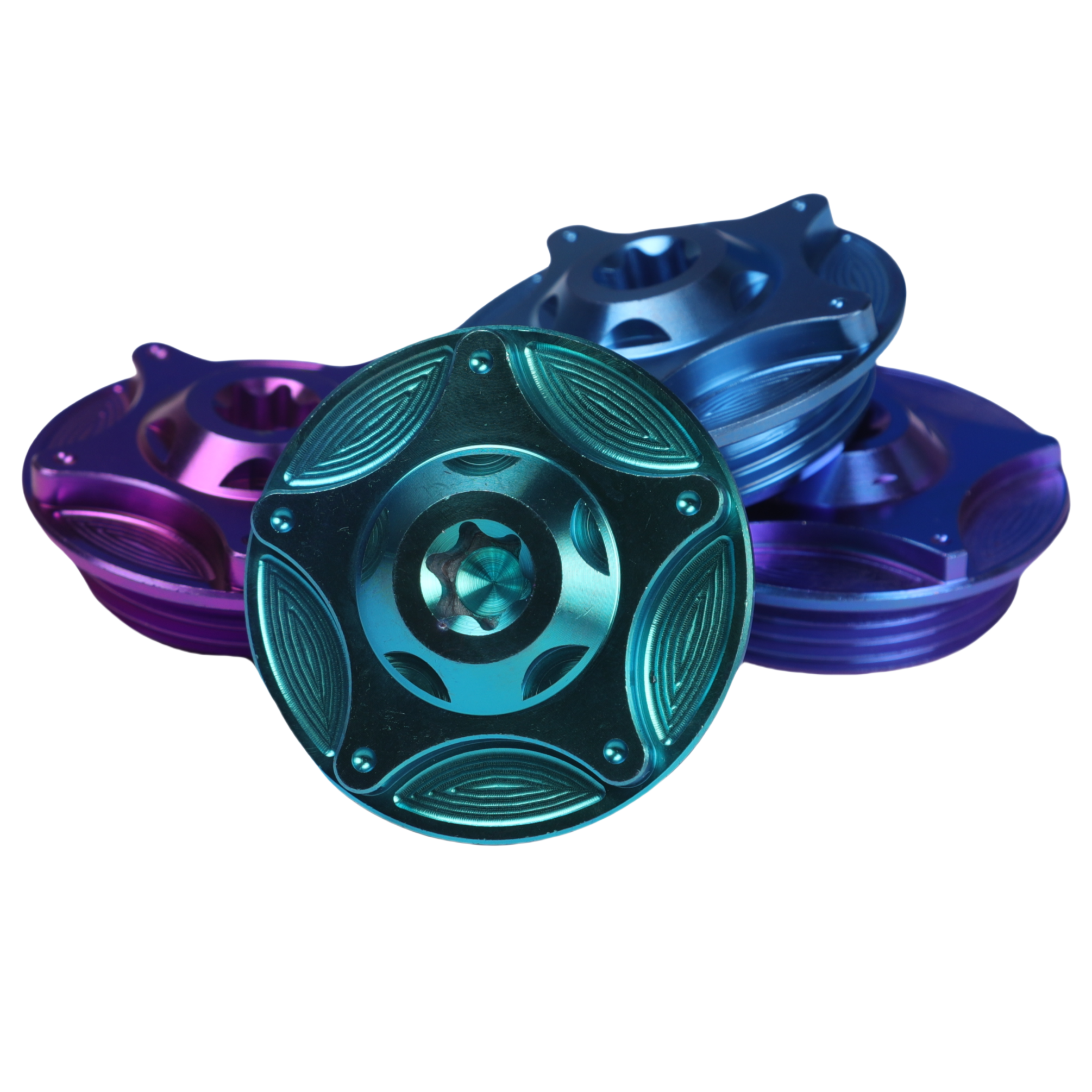
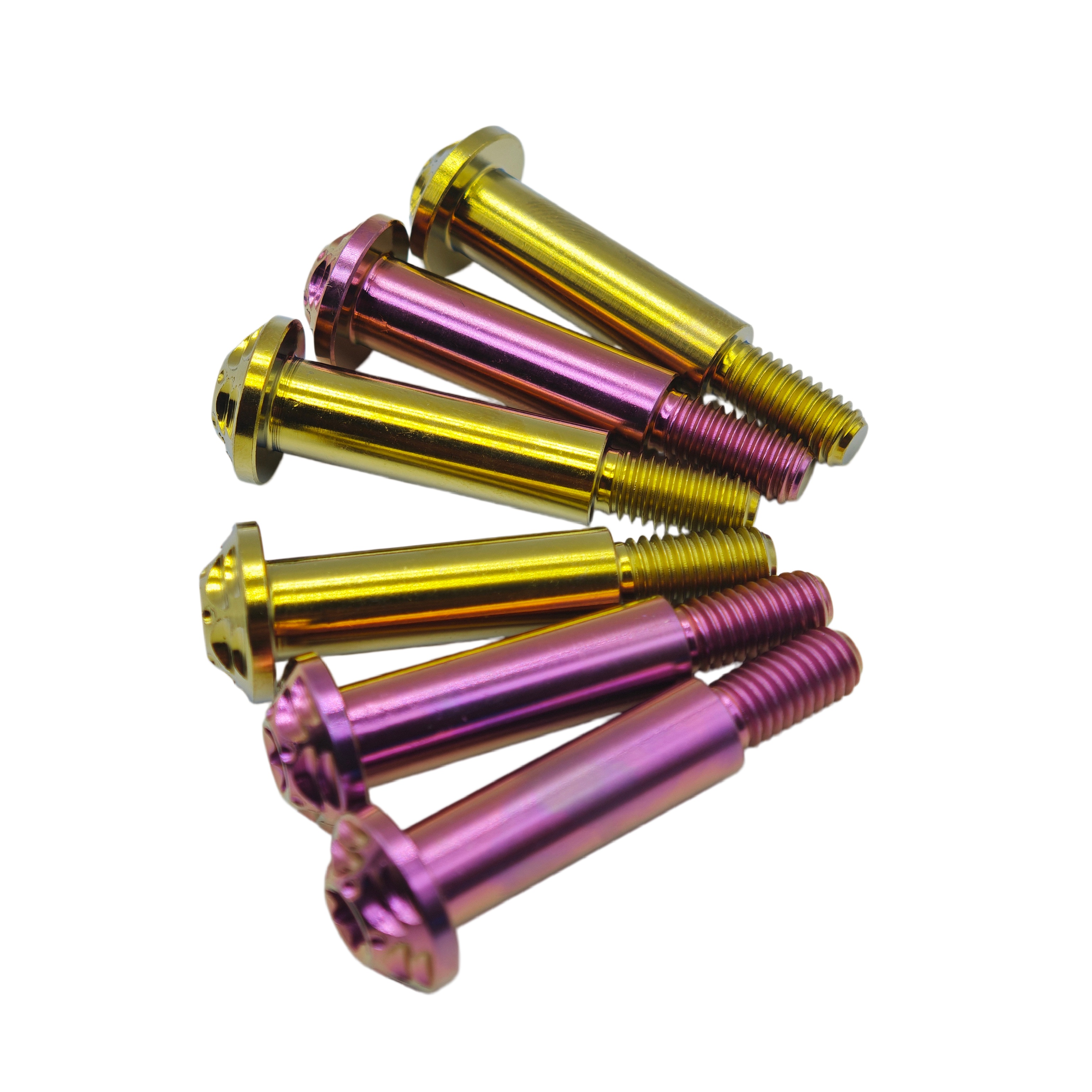
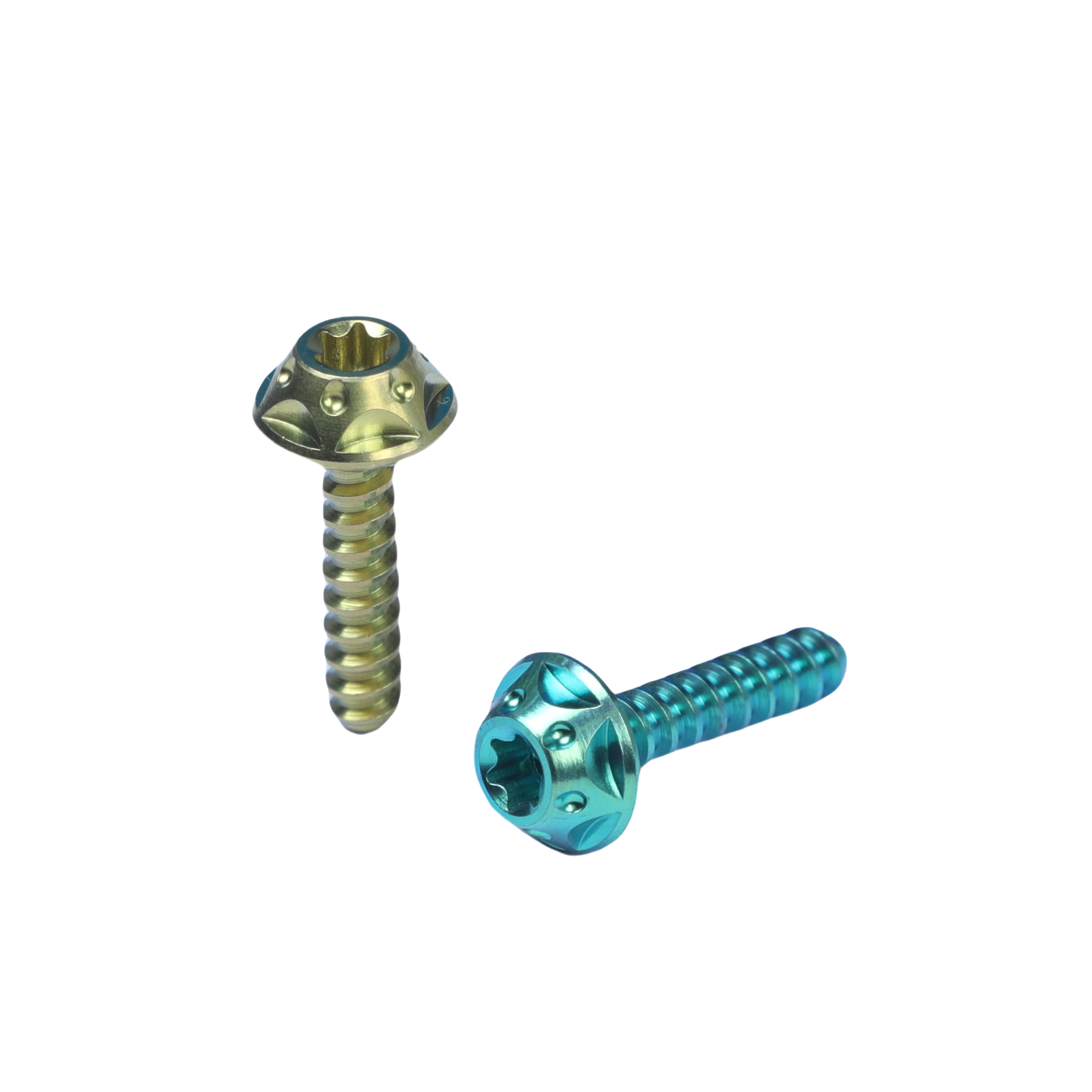
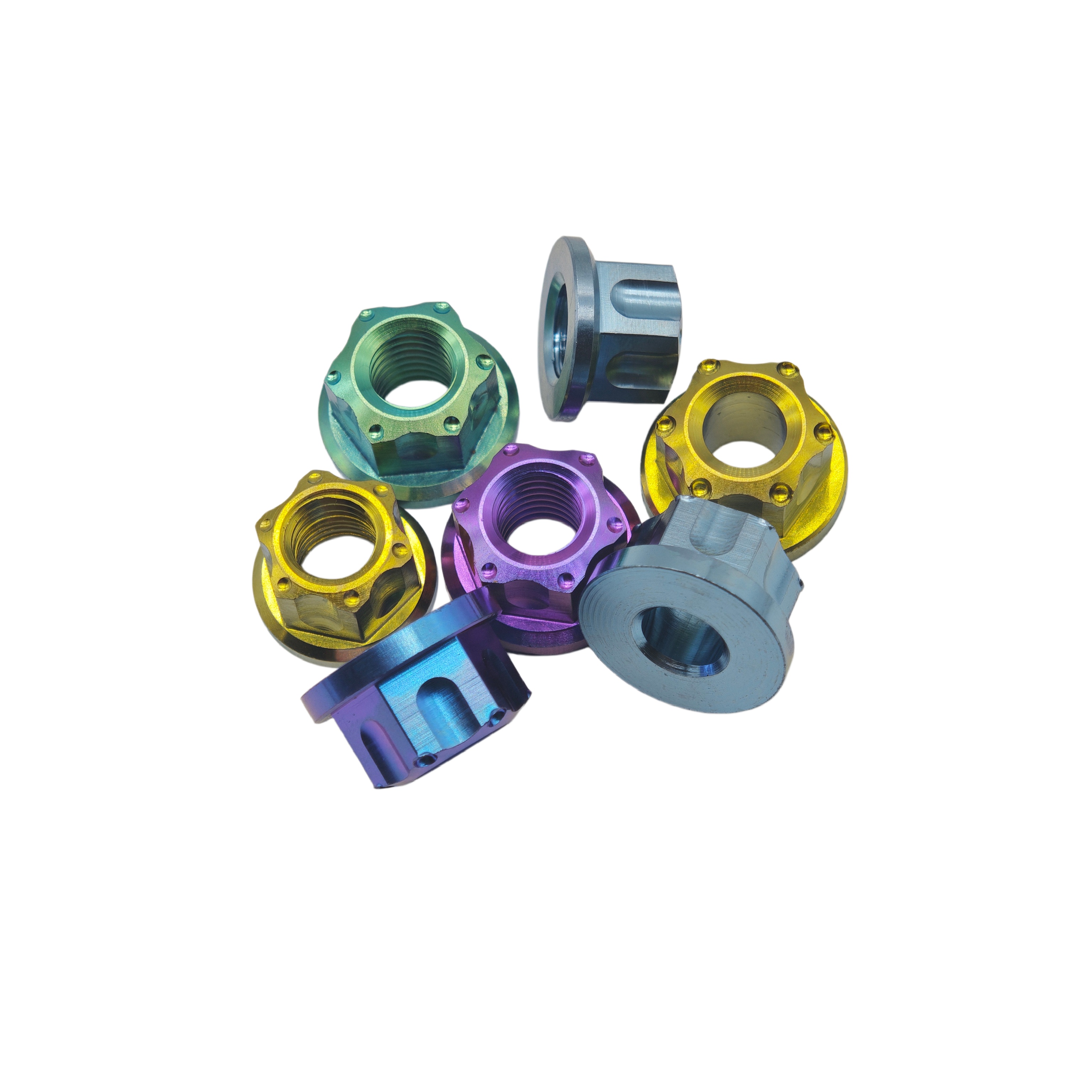
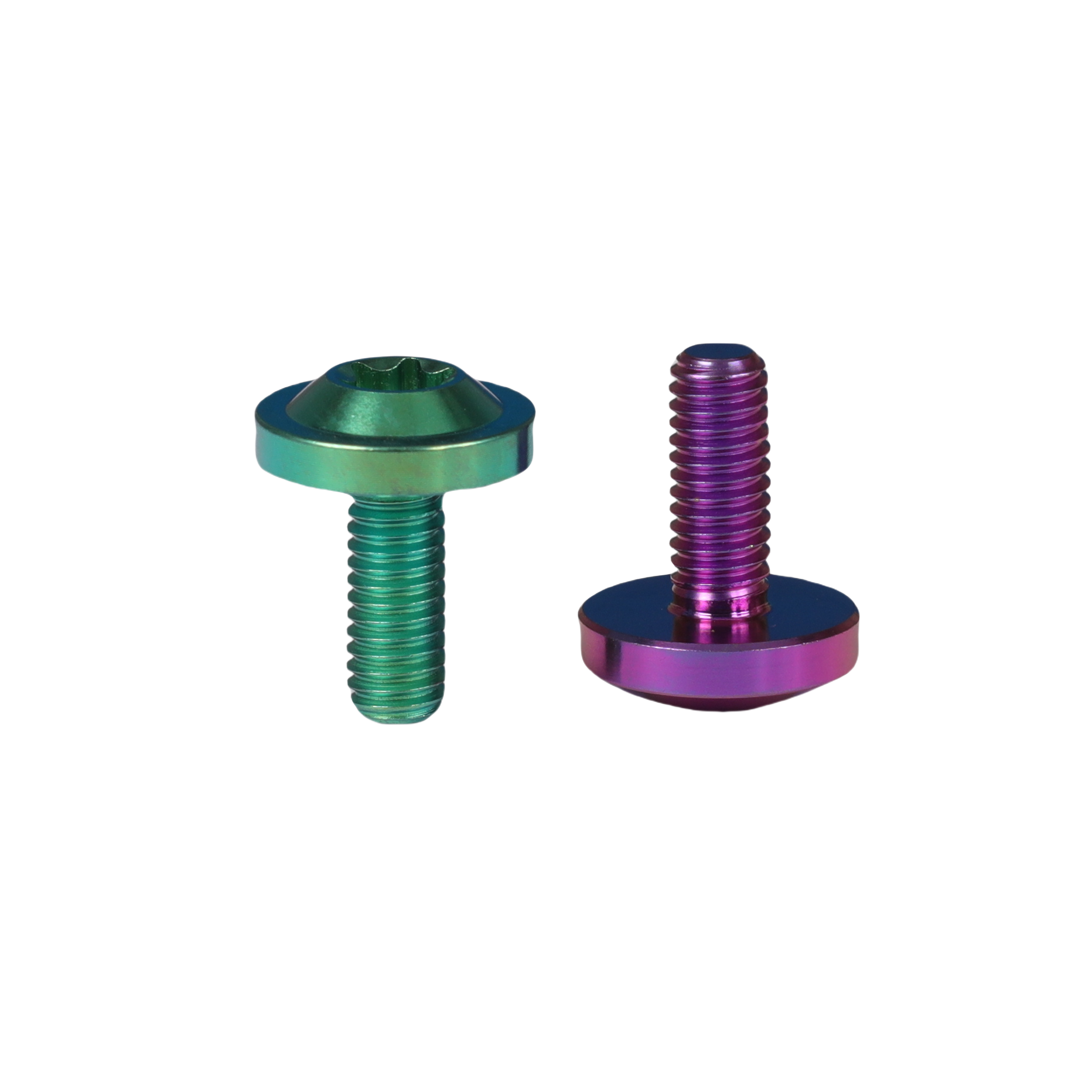
The Mechanics of Titanium Hollow Bolts: Weight Reduction vs. Fluid Dynamics
A rigorous metallurgical overview of central orifice bore integrity, axial shear distribution, and why Grade 5 titanium outclasses standard alloy steels in critical Eurasian operating environments.
In mechanical assembly design, fasteners are conventionally viewed as rigid clamping elements subjected strictly to preload tension and shear forces. However, in contemporary modern machinery, mobile hydraulics, and weight-sensitive engineering systems, the fastener is increasingly tasked with dual functions: maintaining critical clamping force while providing an internal conduit for fluid transmission or yielding substantial unsprung mass reductions. Titanium hollow bolts (also designated as banjo bolts, internally bored tension bolts, or fluid transfer union studs) represent the pinnacle of this functional convergence.
When engineering an axial bore through a fastener core, stress concentrations transition from purely uniform tensile stress across the shank cross-section to an annular shear profile. Under classical elasticity equations for hollow cylindrical sections subjected to axial loading, the outer fibers sustain the vast majority of torsional and bending resistance. By removing the neutral axis core of an M8, M10, or M12 bolt, designers achieve between 30% and 48% mass savings from the fastener body alone. When executed in Grade 5 Titanium (Ti-6Al-4V, Werkstoff 3.7165, UNS R56400), this hollow geometry combines with titanium’s inherent density advantage (4.43 g/cm³ versus 7.85 g/cm³ for structural steel), yielding an aggregate weight reduction exceeding 68% compared to standard solid steel bolts without sacrificing hydraulic integrity.
For industrial buyers and design bureaus throughout the Vitebsk Oblast and the broader Eurasian Economic Union (EAEU), hollow titanium fasteners provide not only mechanical efficiency but also unmatched resistance to cyclic pressure spikes, aggressive media, and low-temperature atmospheric hazards.
Extreme Strength-to-Weight Ratio
Grade 5 titanium boasts an ultimate tensile strength exceeding 895 MPa and yield strength beyond 828 MPa, delivering clamping capacity comparable to Class 8.8 and approaching Class 10.9 structural steels at approximately half the mass.
Cryogenic Impact Toughness
Unlike carbon steels that suffer from sharp ductile-to-brittle transitions at sub-zero temperatures (Charpy V-notch drop), Ti-6Al-4V retains exceptional fracture toughness and ductility down to -60°C and lower, vital for continental Belarusian winter environments.
Passive Oxide Film (TiO₂) Corrosion Immunity
Spontaneous formation of an adherent, stable titanium dioxide layer ensures complete immunity against road de-icing salts, sulfurous atmospheric condensates, petroleum distillates, and hydraulic esters without secondary plating.
Localized Applications in Vitebsk’s Industrial and Engineering Ecosystem
Strategic deployment of hollow titanium fasteners across specialized machinery, transport engineering, petrochemical processing, and precision instrumentation in Vitebsk and northern Belarus.
Vitebsk serves as a pivotal northern industrial gateway in the Republic of Belarus, characterized by heavy mechanical engineering, high-precision instrument manufacturing, agricultural machine tool complexes, and immediate proximity to the monumental petrochemical corridor of Polotsk and Novopolotsk. In these regional facilities, component failure carries severe operational costs. The introduction of Zunvo Titanium hollow bolts provides targeted solutions to persistent engineering bottlenecks encountered in local assembly lines.
Heavy Transport & Specialized Hydraulics
Employed as banjo bolts and high-pressure fluid routing fasteners within hydraulic steering gears, pneumatic brake controllers, and auxiliary fluid lines on heavy machinery, eliminating fluid leakage under high vibration.
Vitebsk FEZ Precision Tooling
Within the Free Economic Zone (FEZ Vitebsk), precision machine builders integrate hollow titanium studs to feed internal high-pressure coolant directly through spindle heads and cutting interfaces, maximizing thermal dissipation.
Petrochemical Corridor Equipment
Serving refineries and chemical plants adjacent to the Vitebsk region, hollow titanium sampling bolts resist hydrogen sulfide, chlorides, and organic acid vapors that rapidly embrittle galvanised alloy fasteners.
Lightweight Motorsports & Powersports
Local racing modifications, custom motorcycle workshops, and experimental automotive platforms utilize titanium hollow bolts for caliper bleeds, oil cooler lines, and unsprung brake rotor mounts.
Vitebsk Industrial Procurement: Modernization, Import Optimization & Standards Harmonization
Navigating the transition toward advanced metallurgical solutions within the EAEU single market framework.
The manufacturing sector in Vitebsk and Belarus as a whole is experiencing an accelerated technological modernization drive. Several macro-level factors are directly reshaping fastener procurement practices across the region:
1. Shift from Legacy GOST Steels to Advanced Non-Ferrous Alloys: For decades, state enterprises and heavy machinery subcontractors relied predominantly on high-tensile carbon steels (e.g., 40Kh, 30KhGSA) or basic stainless grades (12Kh18N10T). While mechanically robust, these materials impose significant weight penalties and require frequent recoating or replacement in salt-treated winter operating conditions. Vitebsk design engineers are increasingly adopting titanium alloy solutions where total cost of ownership (TCO) outweighs raw initial bill-of-materials cost.
2. Direct Sourcing from Certified Asian Manufacturers: Supply chain realignments have led industrial buyers in Vitebsk to bypass complex European distributor markups in favor of direct factory partnerships with established Chinese titanium manufacturers. By procuring directly from Baoji—the world’s foremost titanium hub—enterprises secure comprehensive EN 10204 3.1 chemical and mechanical inspection certificates while significantly reducing unit acquisition expense.
3. Lightweighting for Fuel Efficiency and Mobile Electrification: As regional transport equipment builders venture into electric drivetrains, municipal utility electrification, and energy-efficient agricultural attachments, parasitic mass becomes a prime design concern. Every kilogram saved on unsprung or hydraulic sub-assemblies directly translates to extended battery autonomy or lower fuel consumption under arduous field workloads.
In-House Manufacturing Rigor from Baoji to Vitebsk
At Zunvo Titanium Products Co., Ltd., our hollow bolts are produced through synchronized CNC turning and gun-drilling operations on state-of-the-art multi-axis Japanese machinery. Unlike secondary drilling of standard off-the-shelf screws, our hollow fasteners are designed from bar stock, ensuring that rolled thread grain flows remain intact around the critical head-to-shank transition.
- Thread Rolling Post-Machining: Preserves compressive residual stresses, boosting fatigue endurance limits by up to 35% compared to cut threads.
- Orifice Concentricity Control: Central fluid channels are checked with optical laser sensors to guarantee wall thickness uniformity across the 360-degree perimeter.
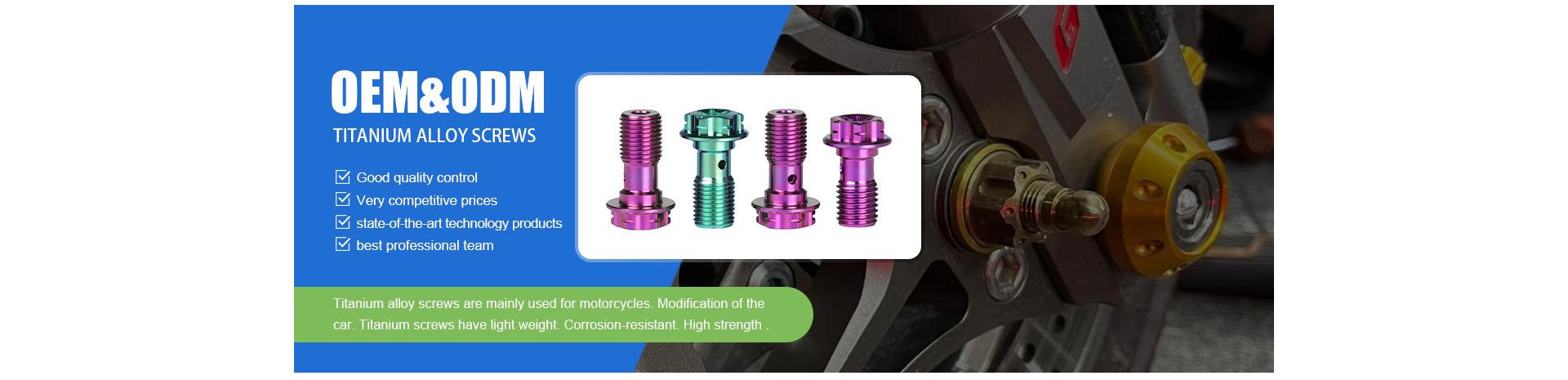
- Surface Modification: Available in micro-arc oxidation, voltage-controlled anodizing (colors: gold, royal blue, burnt titanium, purple), and vacuum PVD coating for extreme wear resistance.


Mechanical & Chemical Benchmark: Gr5 Titanium vs. Standard Engineering Steels
Quantitative property matrix assisting Vitebsk chief mechanical engineers in structural recalculation and bolt sizing replacement.
| Property Parameter | Ti-6Al-4V (Grade 5 Titanium) | Class 8.8 Carbon Steel | Class 10.9 Alloy Steel | AISI 316 Stainless Steel |
|---|---|---|---|---|
| Density (g/cm³) | 4.43 (Approx. 44% lighter) | 7.85 | 7.85 | 8.00 |
| Tensile Strength, Ultimate (MPa) | ≥ 895 – 1050 | 800 – 830 | 1000 – 1040 | 550 – 700 |
| Yield Strength, 0.2% Proof (MPa) | ≥ 828 | 640 | 900 | 240 |
| Modulus of Elasticity (GPa) | 110 – 114 (Superior flexibility) | 205 – 210 | 205 – 210 | 193 |
| Corrosion Resistance (De-icing Salt / Cl⁻) | Virtually Immune (Zero Pitting) | Severe Corrosion without Coat | Rapid Hydrogen Embrittlement | Moderate (Pitting Risk) |
| Impact Toughness @ -40°C | High (Ductile Behavior Retained) | Brittle Failure Risk | Reduced Fracture Toughness | High |
| Magnetic Permeability | Non-Magnetic (µr = 1.00005) | Ferromagnetic | Ferromagnetic | Slightly Paramagnetic |
Enterprise Strengths: Baoji Production Muscle for Eurasian Importers
Combining raw ingot proximity, advanced CNC infrastructure, and frictionless export logistics tailored to Vitebsk trade requirements.
Hub of China's "Titanium Valley"
Situated in Baoji, Shaanxi, our facility maintains direct supplier relationships with certified titanium sponge smelters. Every production batch of hollow bolts is melt-traceable with complete spectral chemical and physical analysis.
100% Quality Inspection Gate
We deploy comprehensive thread go/no-go ring gauges, optical profile projectors, concentricity test benches, and helium mass spectrometer leak checks on high-pressure hollow banjo bolts prior to export packing.
Agile Prototyping & OEM/ODM
Rapid 3-day turnaround on custom CNC hollow bolt prototypes matching customer drawings (STEP, IGES, DWG). Full flexibility on thread pitches (Metric, UNF, BSF) and internal fluid hole configurations.
High Production Scalability
Staffed by 101–200 skilled operators across a 1,000–3,000 m² clean workshop, backed by an established 66% repeat buyer rate across automotive, marine, aerospace, and precision automation industries.
Dedicated Eurasian Logistics Support
Experienced in cross-border Eurasian shipping channels, including regular air express and consolidated China-Europe railway freight corridors connecting Xi'an directly to Belarusian transport terminals.
Under 7-Hour Technical Response
Our dedicated bilingual engineering support team provides immediate DFM (Design for Manufacturability) assessments, thread torque recommendations, and customized commercial invoicing within 7 hours of inquiry receipt.
Frequently Asked Questions by Vitebsk Buyers
Addressing essential technical, contractual, logistical, and compliance considerations for importing titanium hollow hardware into Belarus.
How does the hollow internal bore affect the tightening torque and tensile capacity of a Gr5 titanium bolt?
How do titanium hollow bolts perform in Vitebsk's severe winter conditions (-25°C to -30°C)?
What measures prevent galling (thread seizing) when threading titanium bolts into aluminum or stainless castings?
What certification and quality documents accompany shipments to the Belarusian market?
What are the standard lead times, MOQs, and shipping logistics to Vitebsk?
Can Zunvo produce customized threads matching both DIN/ISO metric standards and legacy GOST profiles?
Ready to Optimize Your Fastener Assembly with Gr5 Titanium?
Submit your CAD drawings, fluid passage specifications, or target part numbers. Our Baoji engineering group provides design reviews, quotation breakdowns, and material certificates within 7 hours.
