High-Performance Titanium M8 & Complementary Fasteners
Engineered to exceed JIS B 1051 and DIN standards with thread-rolled fatigue endurance, high tensile strength (≥895 MPa), and zero marine pitting corrosion.
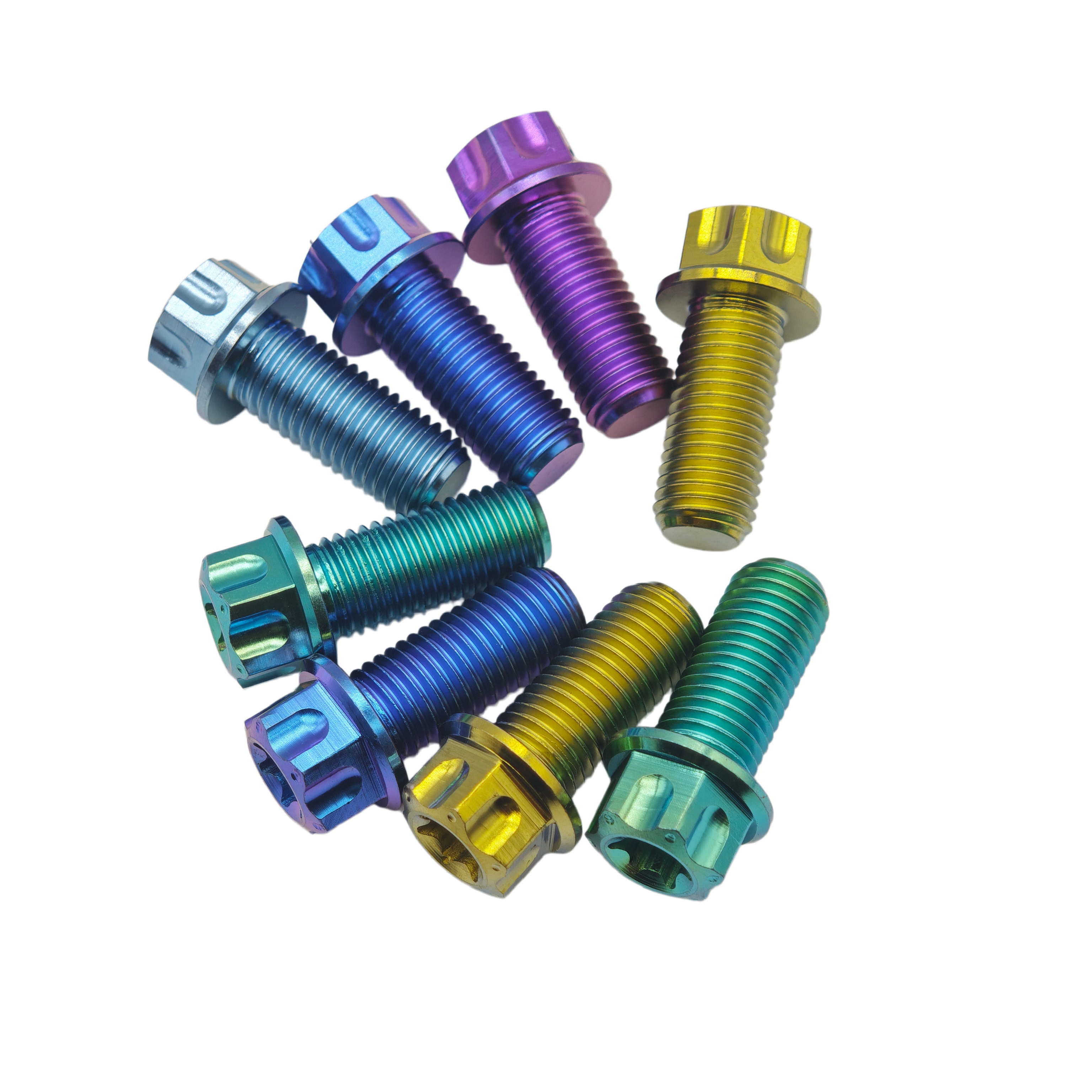
Factory Wholesale Anodized GR5 Titanium Hex Flange Head Bolts M8/M10 UNF Thread Motorcycle Bolts
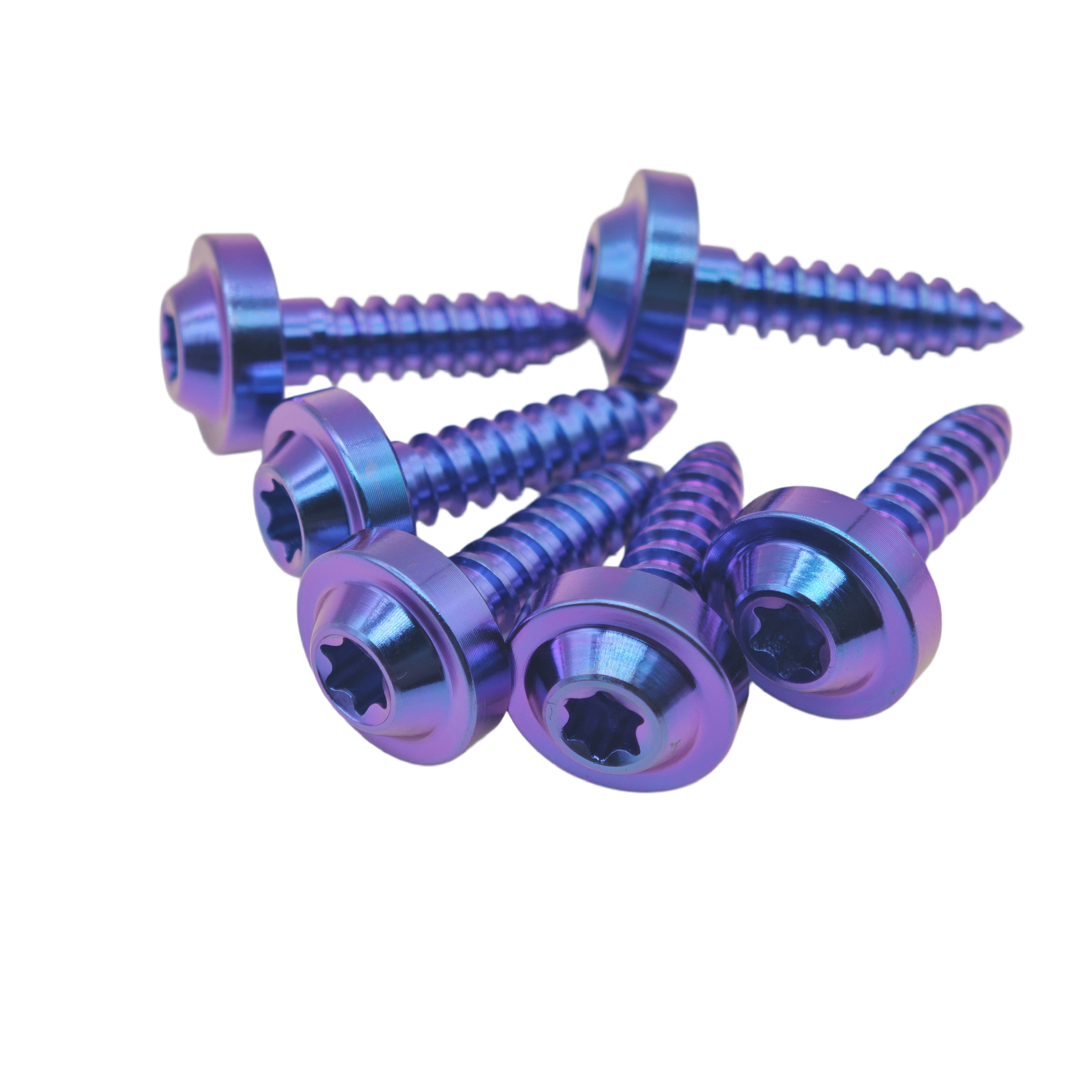
GR5 Anodized Titanium Torx Head Standard Thread Self-Tapping M6 Screw for Motorcycles
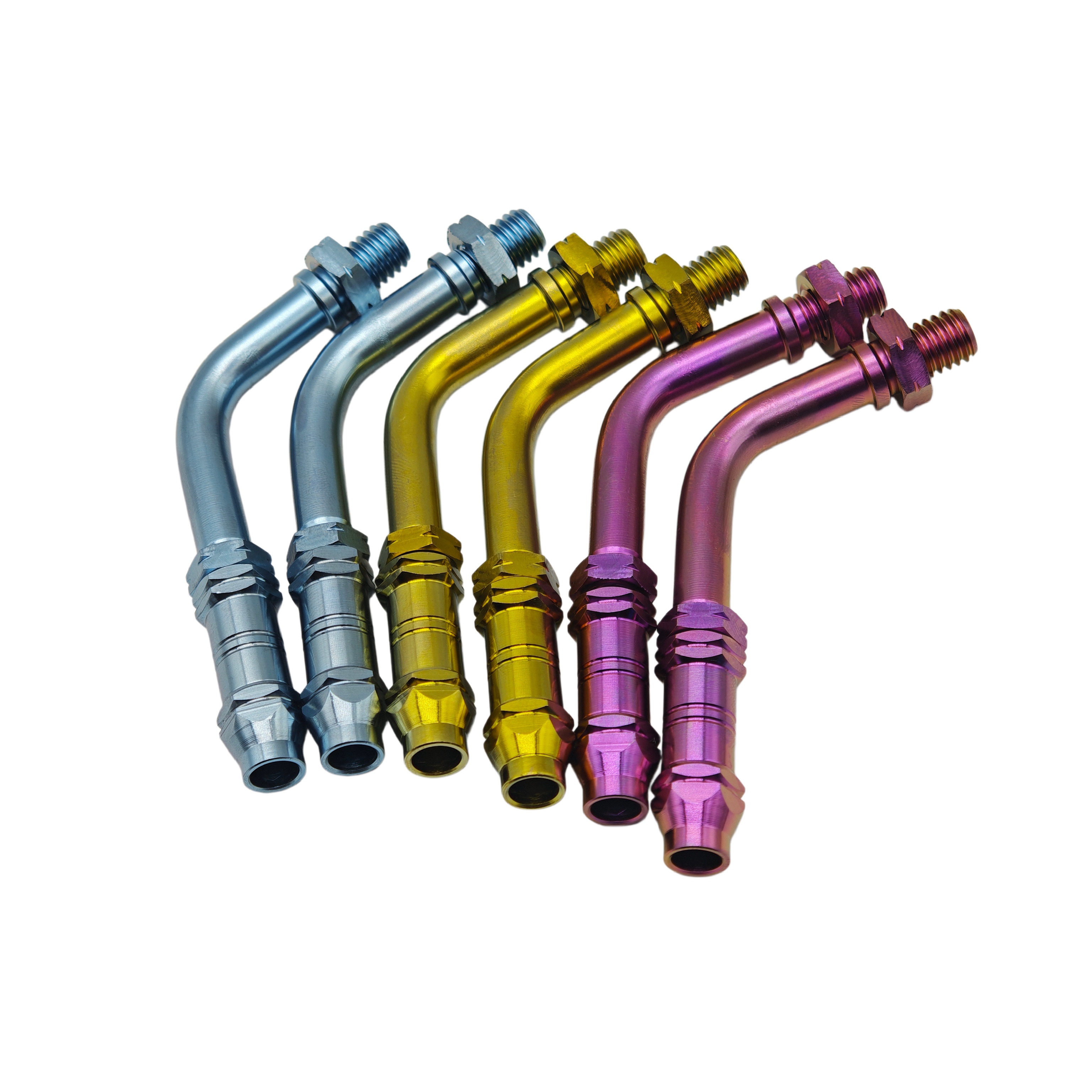
Factory M10 CNC 90-Degree Hex Flange Head GR5 Titanium Plain Throttle Brake Clutch Wire Cable Adjuster Parts for Motorcycle
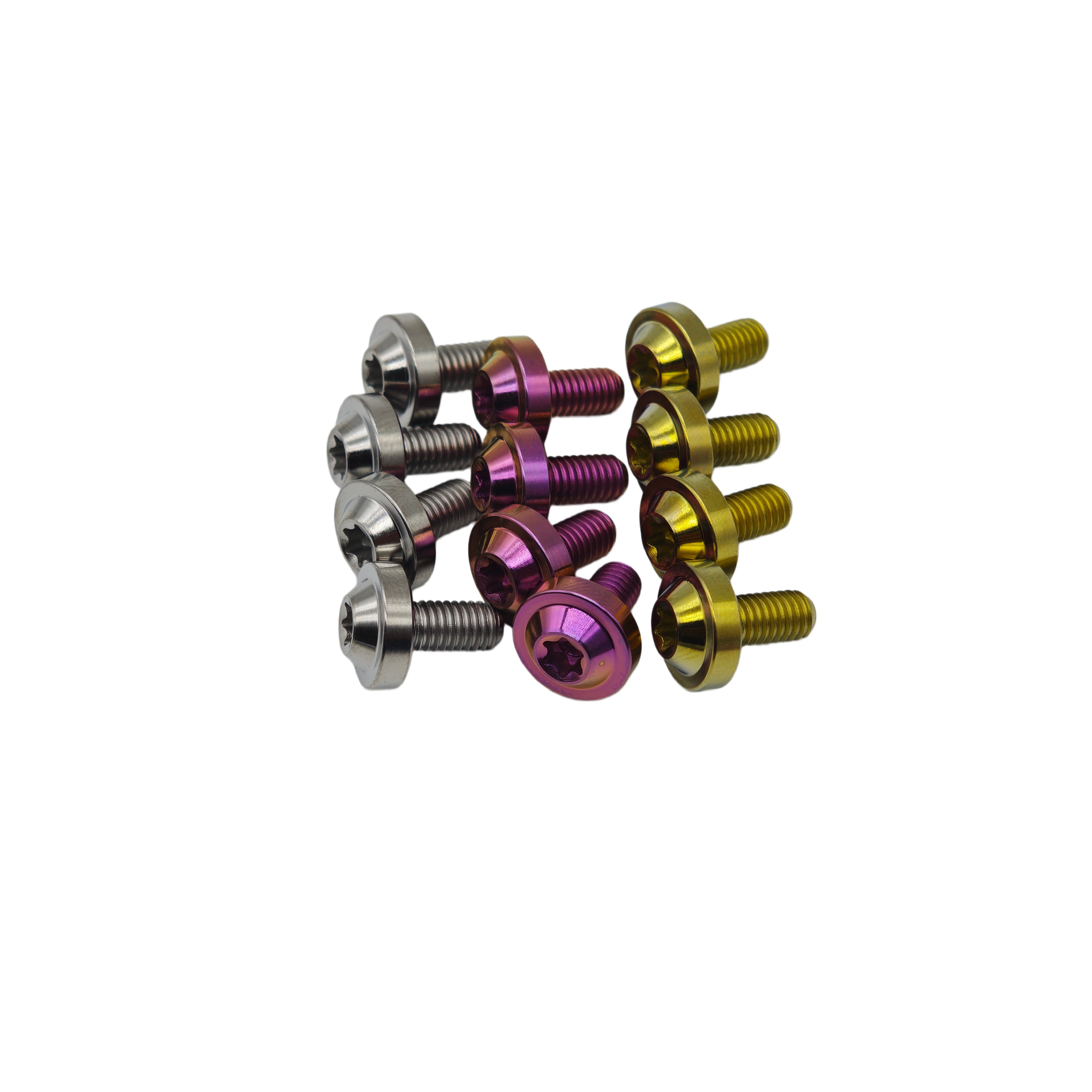
Custom GR5 Titanium M8 Disc Head Bolts with Plain Finish for Bike Motorcycle
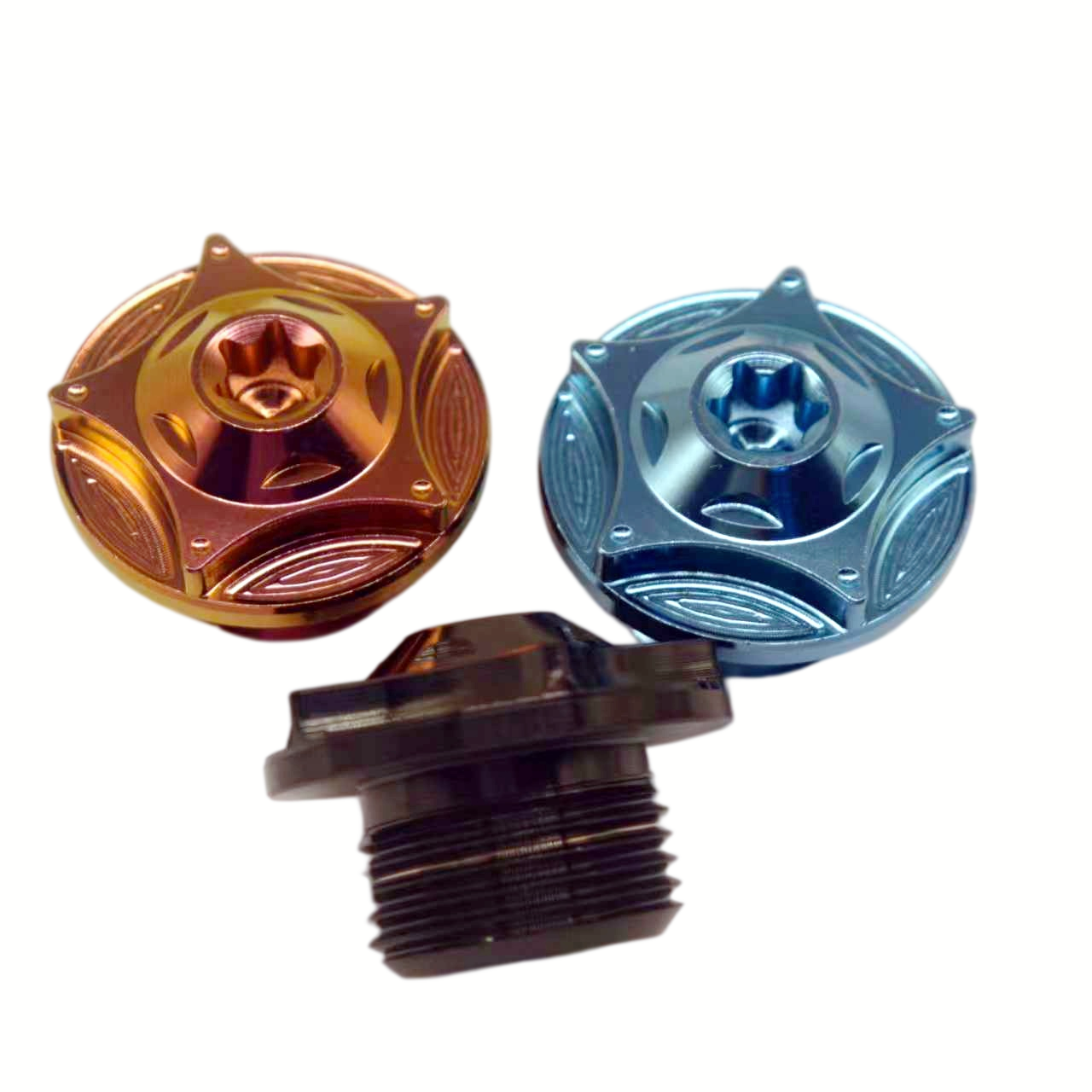
Motorcycle Engine Parts Bolts M14 Titanium Gr5 Nuts Oil Drain Plugs Titanium Nuts
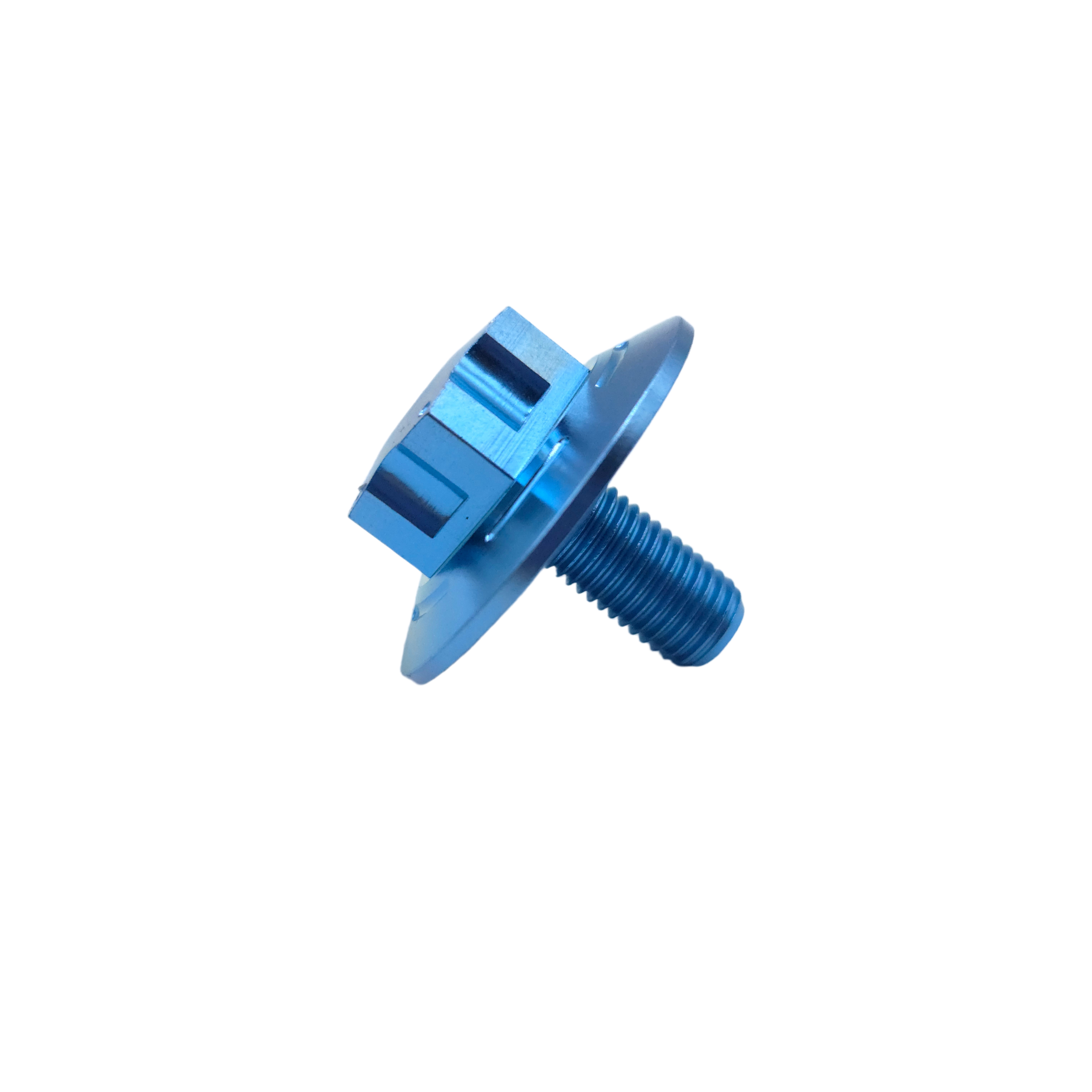
Factory Supply GR5 Titanium Hex Flange Head Bolt M10X20 DIN Thread Anodized Polish Finish Motorcycle Gasoline Cap
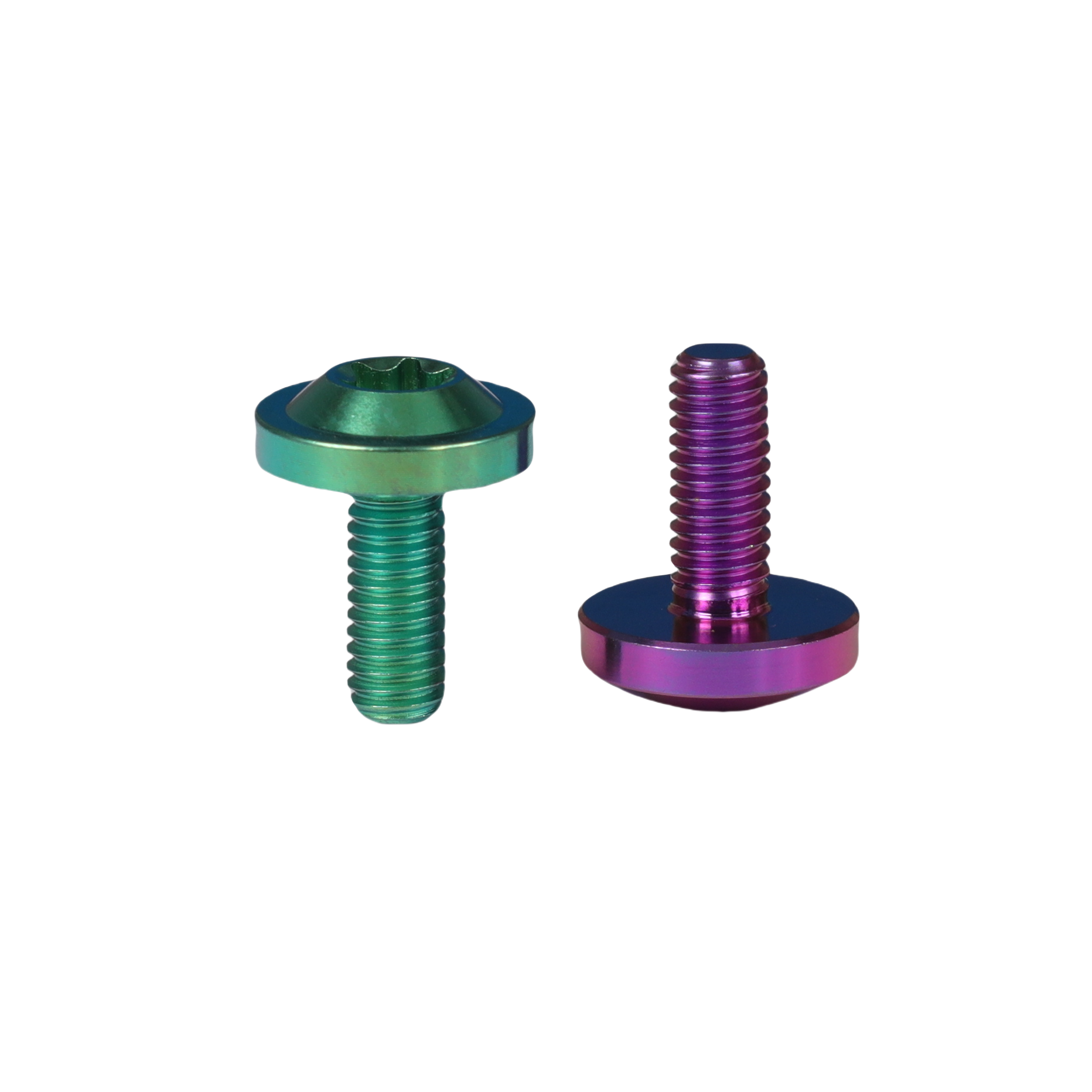
Factory Supply Class 6 M6*15 GR5 Titanium Pan Head Anodized Screw Lightweight & Durable Customizable Metric Measurement System
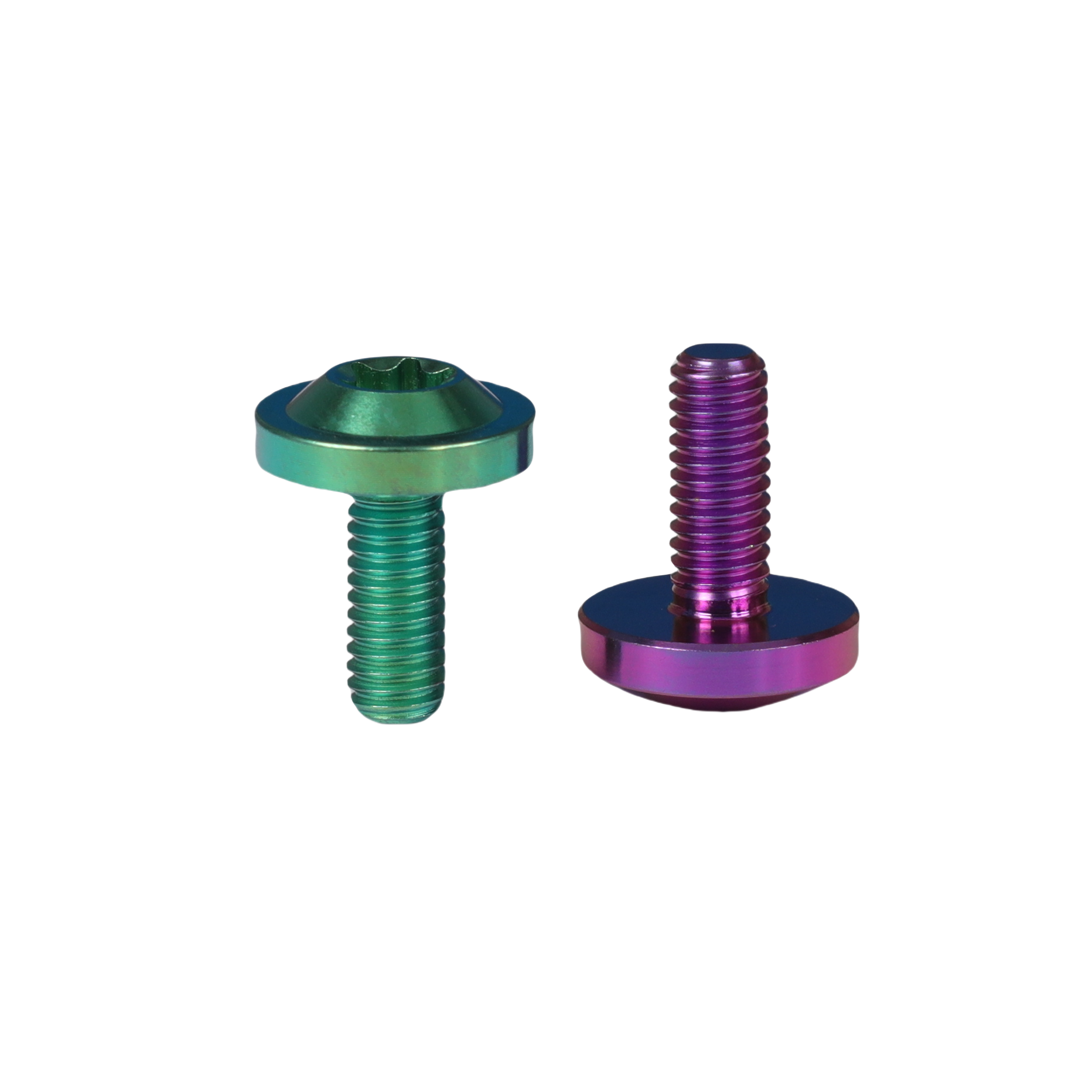
Corrosion-Resistant GR5 M6 Titanium Bolts Fasteners for Motorcycle Engine & Body Modification Screw
The Strategic Demand for Titanium M8 Bolts in the Kobe Ecosystem
Analyzing the intersection of marine port infrastructure, heavy industrial machinery, and hydrogen mobility across the Hanshin Industrial Region.
The city of Kobe, situated along the coastal rim of Hyogo Prefecture, anchors one of Japan’s most advanced precision manufacturing, maritime, and heavy engineering zones. Historically renowned for shipbuilding (Kawasaki Heavy Industries, Mitsubishi Heavy Industries), advanced rolling stock, and specialized metallurgy, Kobe has transformed into a vanguard hub for next-generation hydrogen logistics and high-velocity automation. Within this demanding framework, standard fastener solutions often present systemic liabilities: austenitic stainless steels (such as SUS304 and SUS316) suffer from chloride-induced stress corrosion cracking (SCC) under high saline exposure, while high-tensile 10.9-grade alloy steels are vulnerable to hydrogen embrittlement and rapid atmospheric oxidation.
This operational reality has accelerated the transition toward Grade 5 (Ti-6Al-4V) Titanium M8 bolts. The M8 thread dimension (standard M8×1.25 metric coarse thread and M8×1.0 fine pitch) represents the fundamental structural joint across maritime instrumentation, subsea ROV assemblies, high-speed rail dynamic enclosures, and automated coastal container handling cranes operating throughout Kobe Port. By delivering a yield strength exceeding 825 MPa at a density of only 4.43 g/cm³, Grade 5 titanium fasteners provide an unparalleled strength-to-weight profile, allowing industrial design engineers across Hyogo to eliminate critical structural weight while guaranteeing infinite service life against marine atmospheric attack.
Maritime & Port Infrastructure
Kobe Port handles intensive container transit where quayside automated guided vehicles (AGVs) and maritime sensors face constant saltwater wash. Titanium M8 bolts completely neutralize galvanic degradation in structural aluminum-to-composite mountings.
Hydrogen Carrier Logistics
Hyogo is Japan's flagship hub for liquid hydrogen supply chain trials. Grade 5 titanium demonstrates non-embrittling crystalline stability at cryogenic temperatures (-253°C), making M8 titanium studs critical for liquefied gas manifold flanges.
Precision Motorcycle & Motorsport
Adjacent to the legendary Akashi and Hyogo motorcycle engineering heritage, Kobe's aftermarket and OEM performance sectors demand M8×24 disc brake rotor bolts and subframe fasteners that decrease unsprung rotational mass by 44%.
Comparative Material Science: Grade 5 Titanium vs. Conventional Fasteners
Technical benchmarks evaluating yield strength, fatigue endurance, and corrosion behavior for Kobe design engineers.
In high-torque fastened joints, tensile strength alone does not guarantee structural reliability. Mechanical engineers must evaluate fatigue limits, notch sensitivity, thermal coefficients, and dielectric potential. Ti-6Al-4V is an alpha-beta alloy containing 6% aluminum to stabilize the alpha phase and 4% vanadium to stabilize the beta phase. This metallurgical synergy results in exceptional toughness and fatigue resistance, particularly when external threads are formed via cold thread-rolling rather than single-point CNC cutting.
The continuous grain flow of thread-rolled titanium eliminates stress risers at the thread root, enhancing dynamic endurance under the cyclic vibrations typical of marine propulsion systems and railway bogies operating in the Hanshin corridor.
| Engineering Property | Ti-6Al-4V Grade 5 (Zunvo Standard) | A4-80 (SUS316 Marine Stainless) | Grade 10.9 Alloy Steel (SCM435) | 7075-T6 Hard Aluminum |
|---|---|---|---|---|
| Density (g/cm³) | 4.43 (Lightweight) | 8.00 | 7.85 | 2.81 |
| Tensile Strength Rm (MPa) | ≥ 895 – 1000 | ≥ 800 | 1040 – 1200 | ~540 |
| Yield Strength Rp0.2 (MPa) | ≥ 825 | ≥ 600 | ≥ 940 | ~480 |
| Elongation at Break A5 (%) | ≥ 10 – 15% | ≥ 12% | ≥ 9% | ~11% |
| Chloride Resistance (CASS/Salt Spray) | Immune (>3,000 hrs zero pitting) | Pitting potential in crevices | Severe oxidation without zinc-flake | Subject to galvanic attack |
| Hydrogen Embrittlement Risk | Nil in neutral/aerated environments | Extremely Low | Critical risk at >1000 MPa loads | Moderate in stress states |
| Modulus of Elasticity (GPa) | 110 (High damping flexibility) | 193 | 210 | 72 |
A vital consideration for Japanese procurement teams is the modulus of elasticity: titanium’s modulus (110 GPa) is roughly half that of structural steel (210 GPa). When tightened to designated clamp loads, an M8 Grade 5 titanium bolt elongates approximately twice as much as a steel bolt of identical geometry. This increased elastic strain acts as an integrated spring washer, greatly reducing preload decay under intense operational vibration, such as on naval diesel powertrains and robotic end-effectors.
Emerging Technological Trends in Kobe's Fastener Sourcing
How digital transformation, green logistics, and custom surface modification are shaping fastener specifications in Western Japan.
Transition to PVD & Type II Hard Anodization
Kobe's precision optical and electronic assembly houses increasingly reject standard wet-chemical color treatments in favor of vacuum Physical Vapor Deposition (PVD) DLC (Diamond-Like Carbon) and TiN coatings. These treatments enhance surface hardness beyond 2,500 Vickers, preventing tool cam-out on M8 socket drive geometries while ensuring extreme wear resistance in automated cleanrooms.
Decarbonization & Lightweighting in Coastal Port AGVs
Kobe’s Carbon Neutral Port (CNP) initiative targets zero-emission logistics. Port equipment developers are retrofitting heavy steel structural fasteners on mobile robotic chassis with high-strength Gr5 titanium M8 and M10 bolts, cutting battery payload drain and dramatically lowering daily kilowatt-hour consumption.
JIS & International Metric Unification
While JIS B 1180 hex bolts traditionally dominated domestic lines, Kobe’s global tier-1 exporters are standardizing on ISO 7380 (flanged button head), DIN 912 (socket cap), and custom Torx drives. This convergence simplifies inventory control for equipment shipped to Europe and North America.
Demand for Heat-Traceable Material Pedigrees
Post-pandemic procurement audits across Hyogo prioritize supply chain transparent provenance. Every production batch of M8 bolts must be accompanied by EN 10204 3.1 Inspection Certificates tracing elemental sponge titanium origins to eliminate substandard scrap-melted alloys.
Why Kobe Engineering Firms Partner with Zunvo Titanium
Leveraging Baoji’s world-class raw titanium supply base with precision manufacturing, bespoke OEM drawing execution, and rapid Kansai logistics.
Founded in 2015 in Baoji, China—globally recognized as "China Titanium Valley"—Zunvo Titanium Products Co., Ltd. operates an onsite-verified production facility spanning over 2,500 square meters. By sourcing directly from premium virgin sponge titanium mills, Zunvo eliminates intermediate commodity markups while ensuring uncompromising metallurgical integrity from ingot to final thread-rolling.
Zunvo maintains dedicated export pathways into Western Japan, utilizing direct air express corridors to Kansai International Airport (KIX) for critical R&D batches (transit time under 72 hours) and consolidated sea freight routes into the Port of Kobe for scalable container-level production lots. Our engineering team maintains continuous communication, achieving an average technical response time under 7 hours.
Frequently Asked Questions: Sourcing Titanium M8 Bolts in Kobe
Technical guidance covering torque calculations, galling prevention, galvanic insulation, and Japanese import verification.
What is the correct tightening torque specification for an M8 Grade 5 Titanium Bolt?
How do we prevent galvanic corrosion when mating Titanium M8 bolts to aluminum components in Kobe's coastal environment?
1. Utilize dielectric barrier coatings such as zinc-chromate or marine-grade polyurethane jointing compounds (e.g., Duralac).
2. Install non-conductive washers (passivated titanium, PTFE, or PEEK) to break electrical continuity.
3. Specify Type II hard anodization or fluoropolymer dry-film lubricant on the bolt shank, which forms an effective insulating barrier.
Can Zunvo manufacture M8 titanium bolts to custom Japanese Industrial Standards (JIS B 1180 / JIS B 1189)?
What inspection documentation is provided with shipments dispatched to Japanese buyers?
What are the MOQ thresholds, customs clearing terms, and typical delivery lead times to Hyogo Prefecture?
Request Technical Data & OEM Sourcing for Kobe
Connect with Zunvo's senior mechanical engineers to review fastener drawings, discuss volume pricing for the Hyogo industrial corridor, and receive certified sample parts.
Get Catalog