Engineered Titanium Hardware for Marine & Industrial Systems
Direct from Baoji's verified manufacturing floor: High-yield Ti-6Al-4V bolts, nuts, and manifold studs cold-headed and precision CNC-machined for extreme durability in corrosive marine atmospheres.
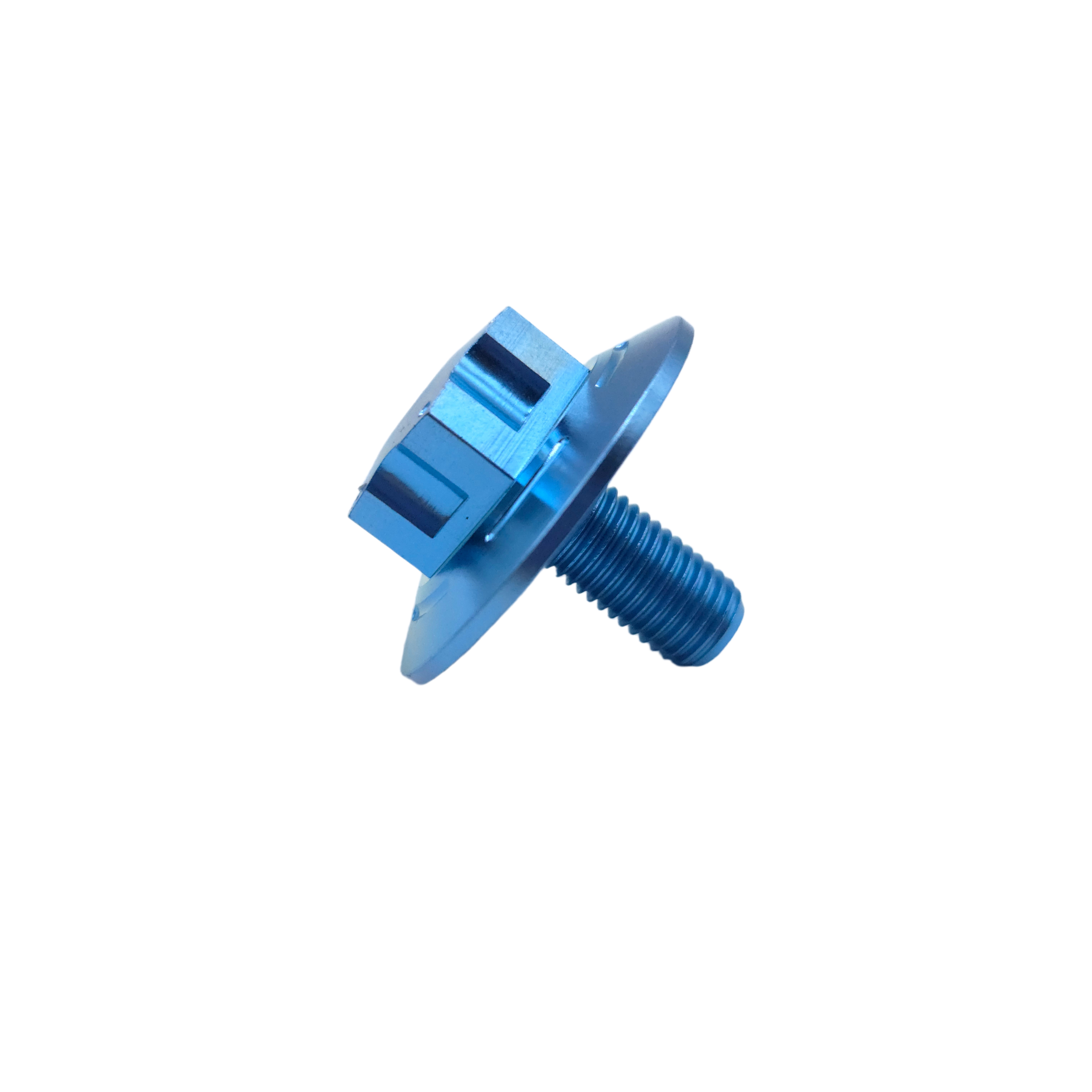
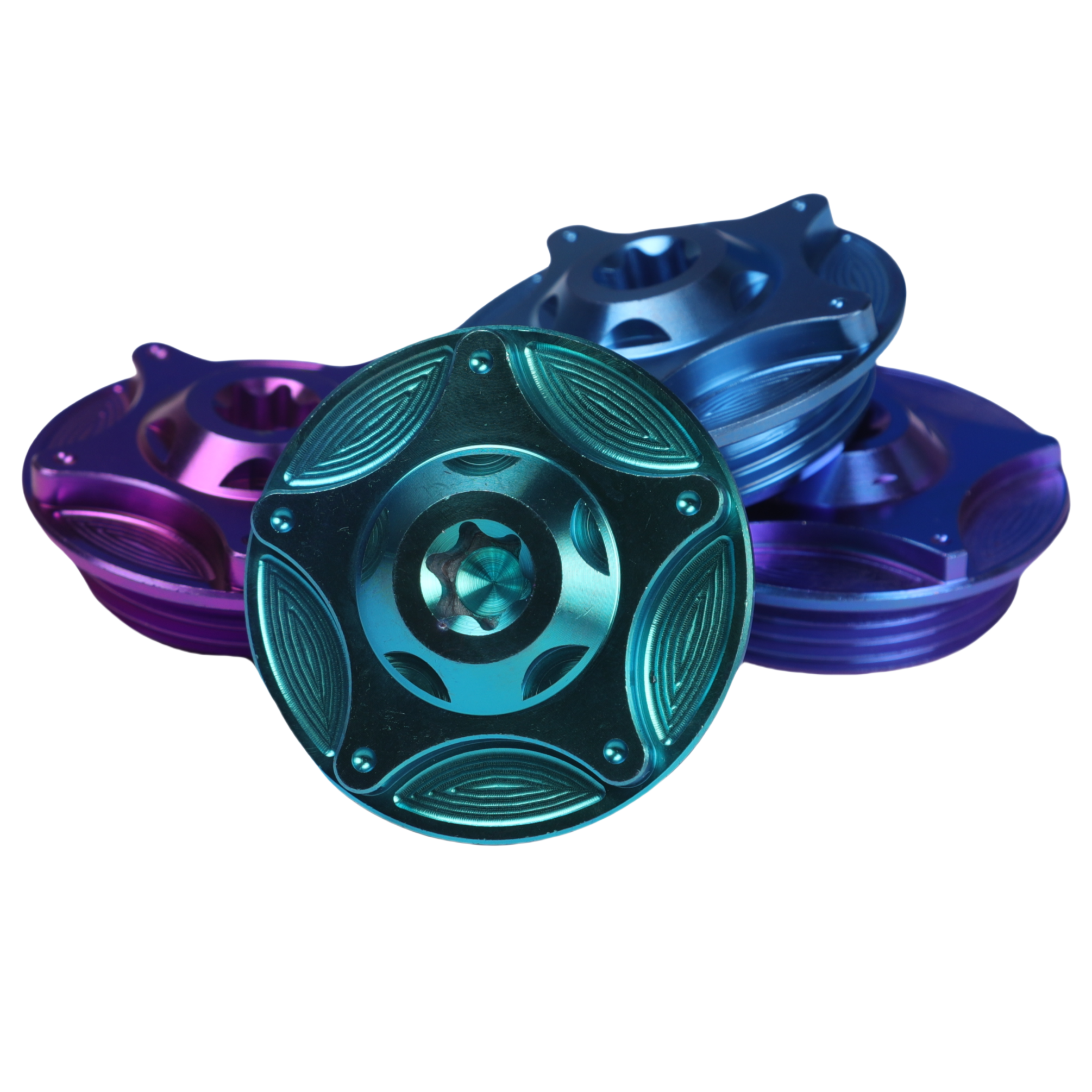
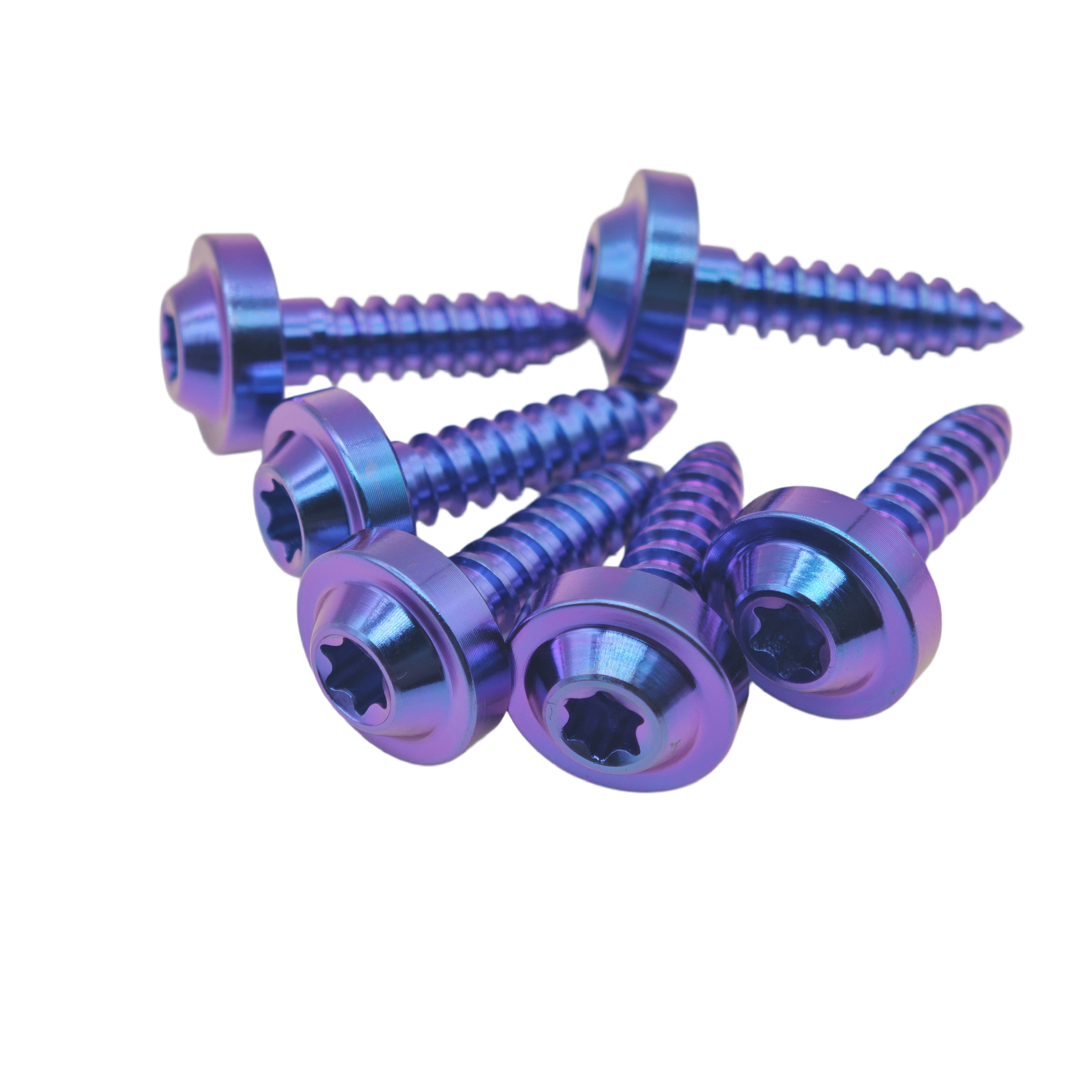
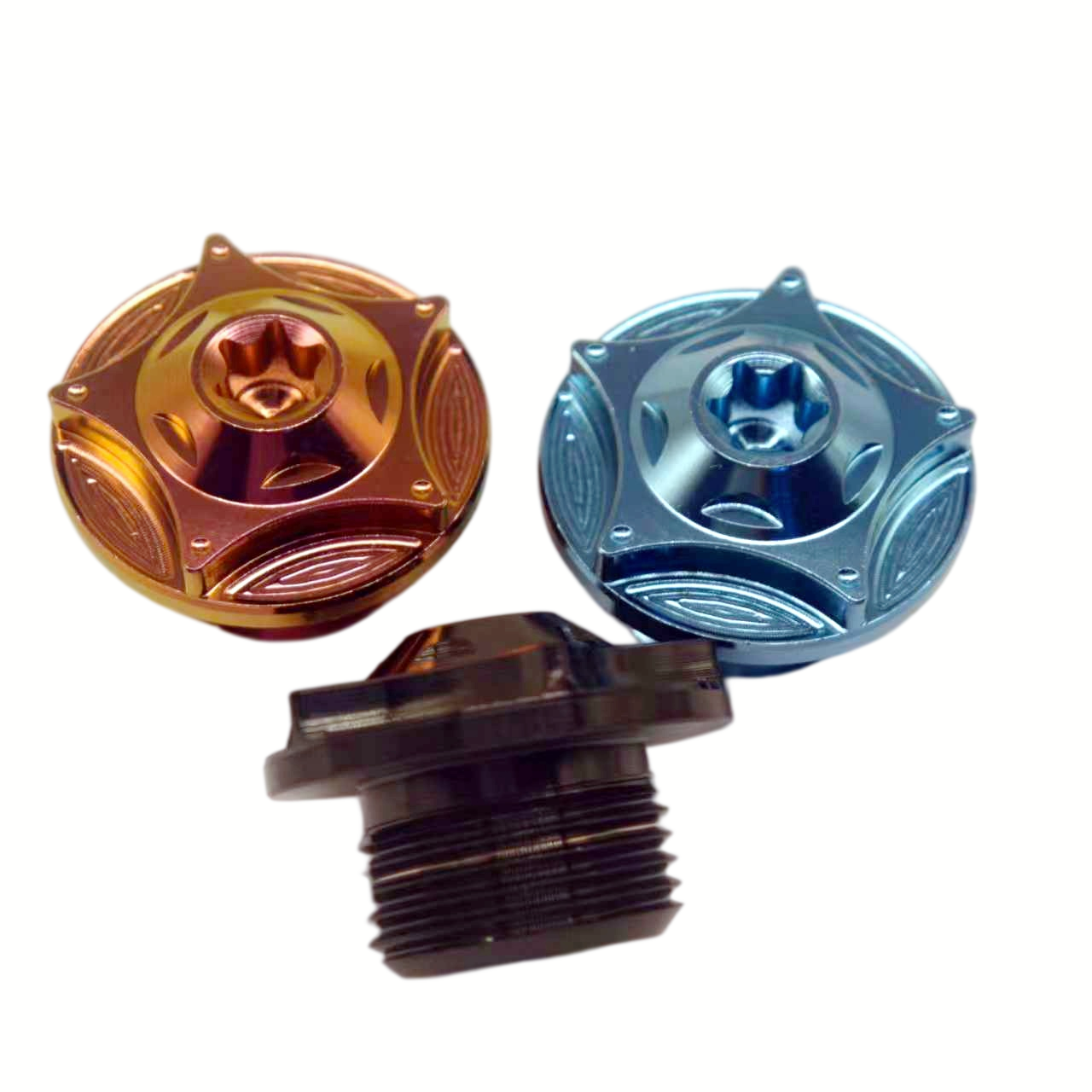
Mitigating Chloride Stress Corrosion Cracking in North Sea Manifolds: The Role of Grade 5 Titanium
The continental shelf off the coast of Rogaland and Stavanger presents one of the world's most aggressive operating environments for critical bolting and manifold fastening. Topside processing installations, subsea manifold trees, and high-speed offshore workboats face an unrelenting combination of airborne sea spray, saline wash, and fluctuating thermal cycles. In these splash zones, conventional austenitic stainless steels such as AISI 316/316L invariably succumb to localized chloride pitting and Catastrophic Chloride Stress Corrosion Cracking (CSCC) at temperatures exceeding 60°C. While super duplex stainless steels (25Cr) and high-nickel alloys like Inconel 718 provide adequate corrosion resistance, their substantial specific weight and challenging cold-heading mechanics create severe engineering trade-offs.
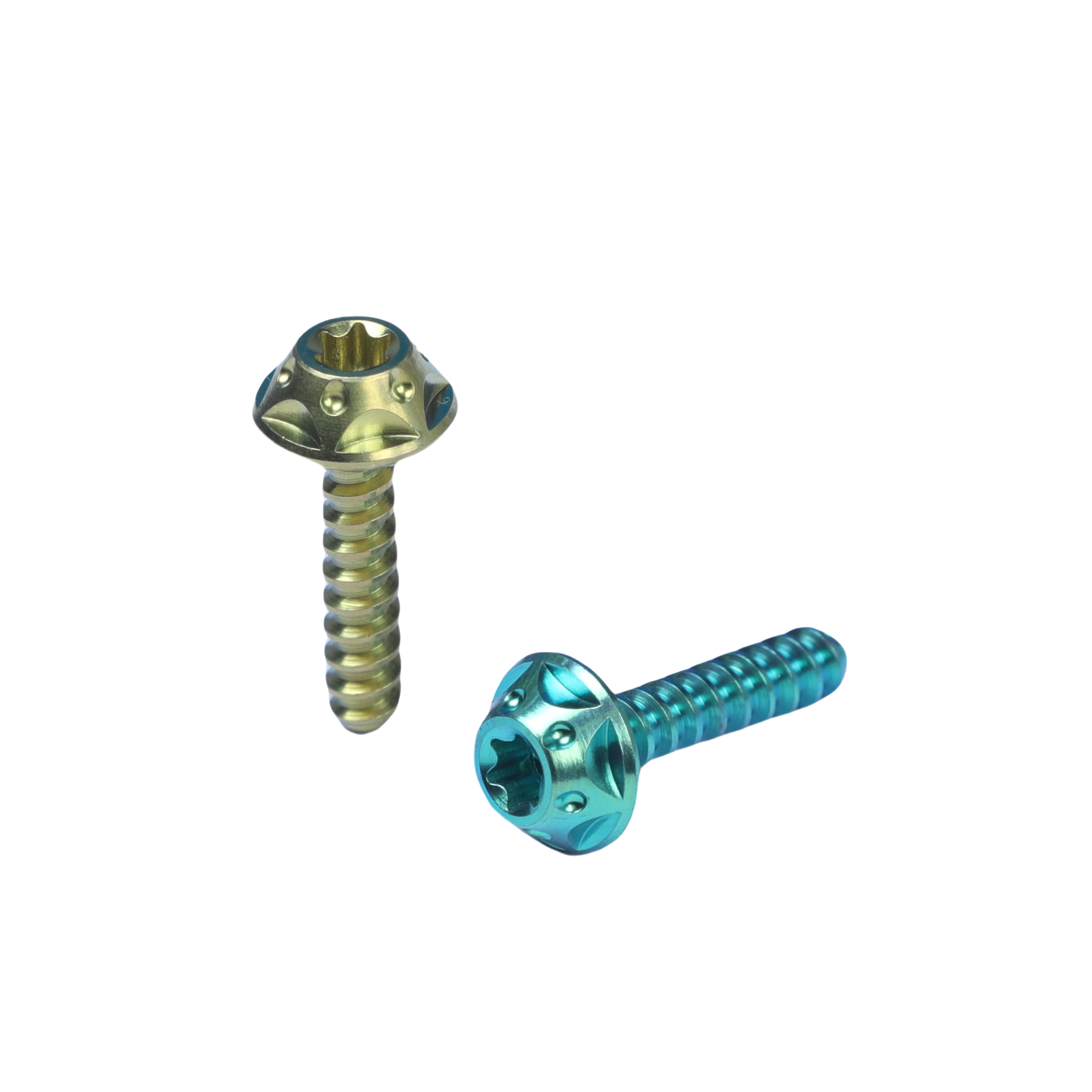
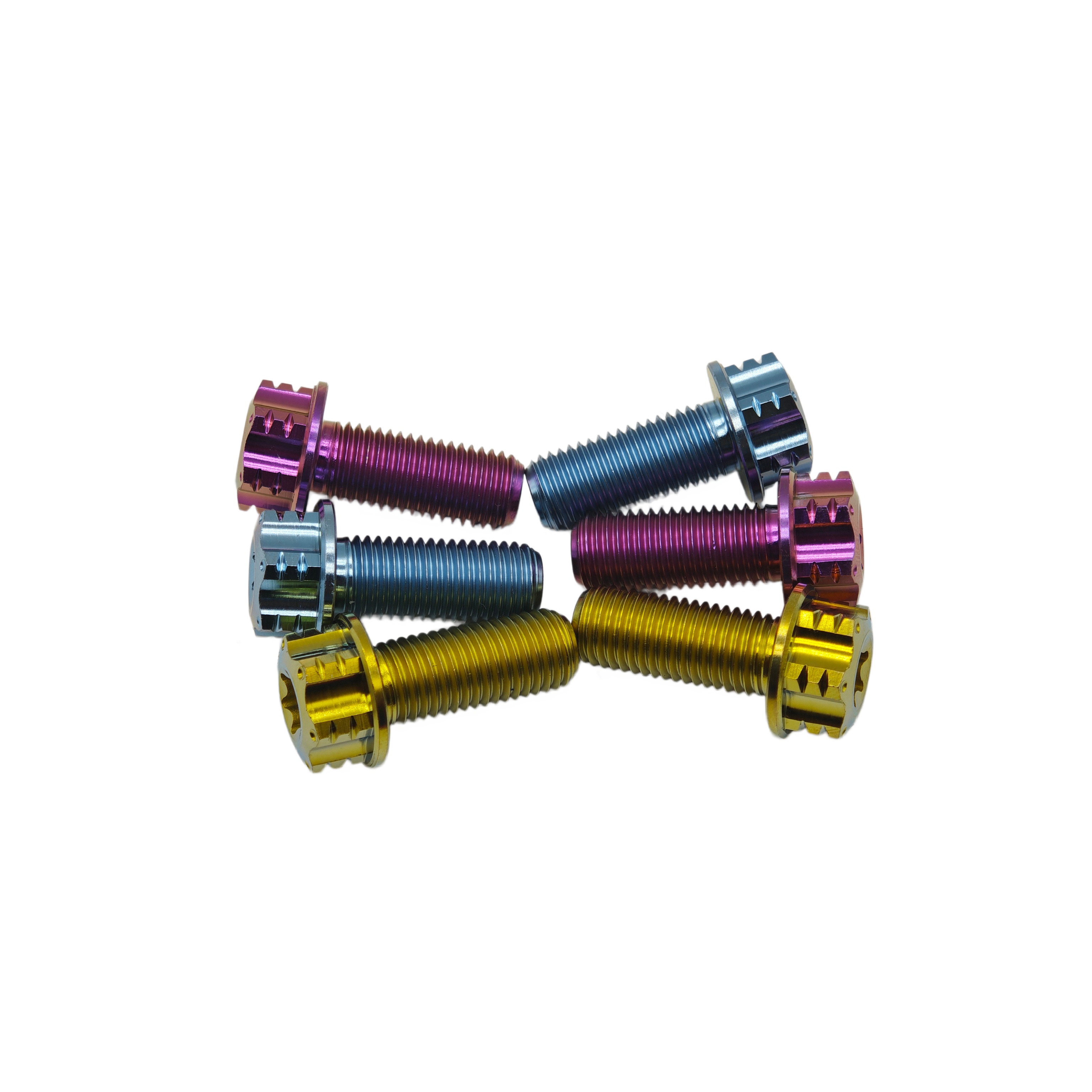
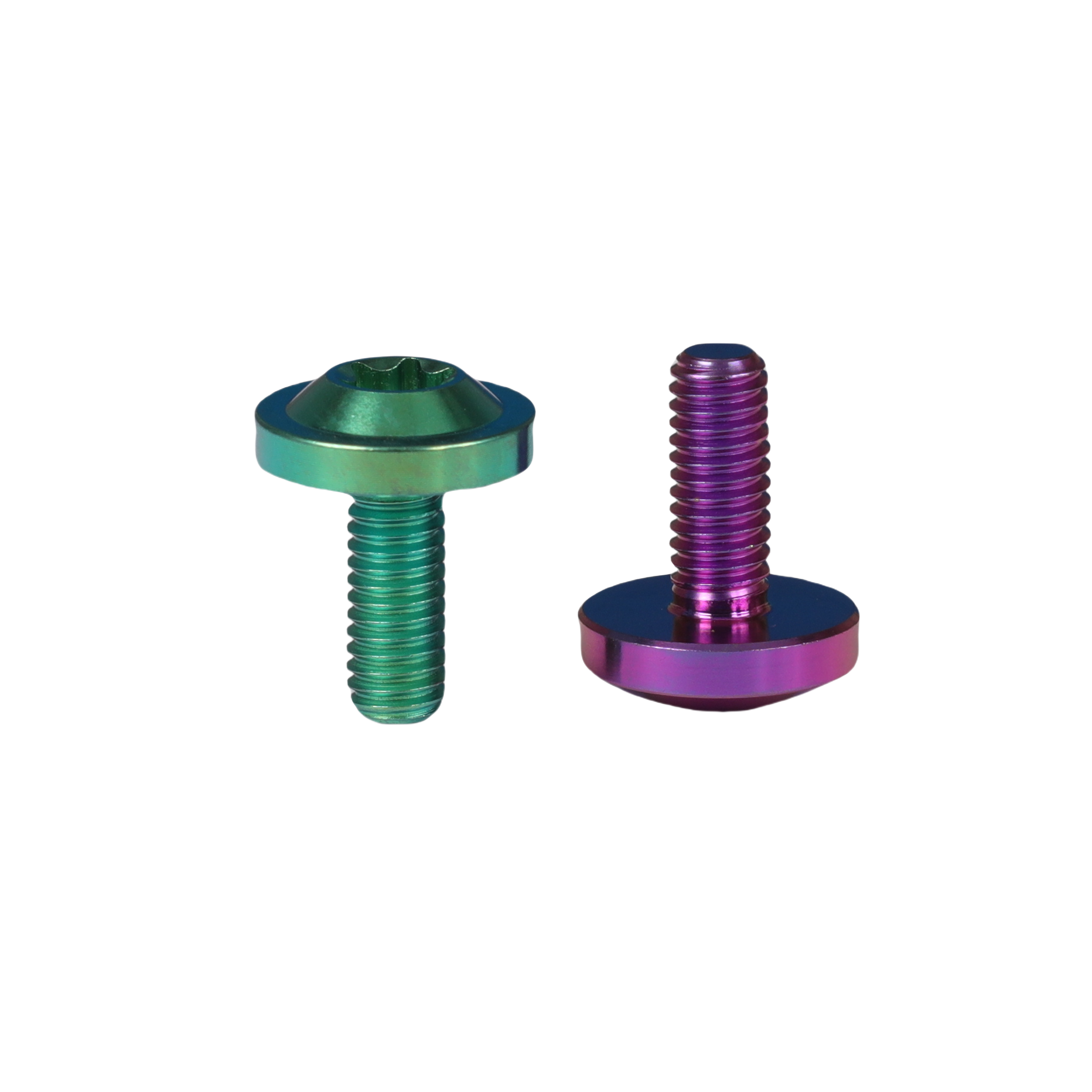
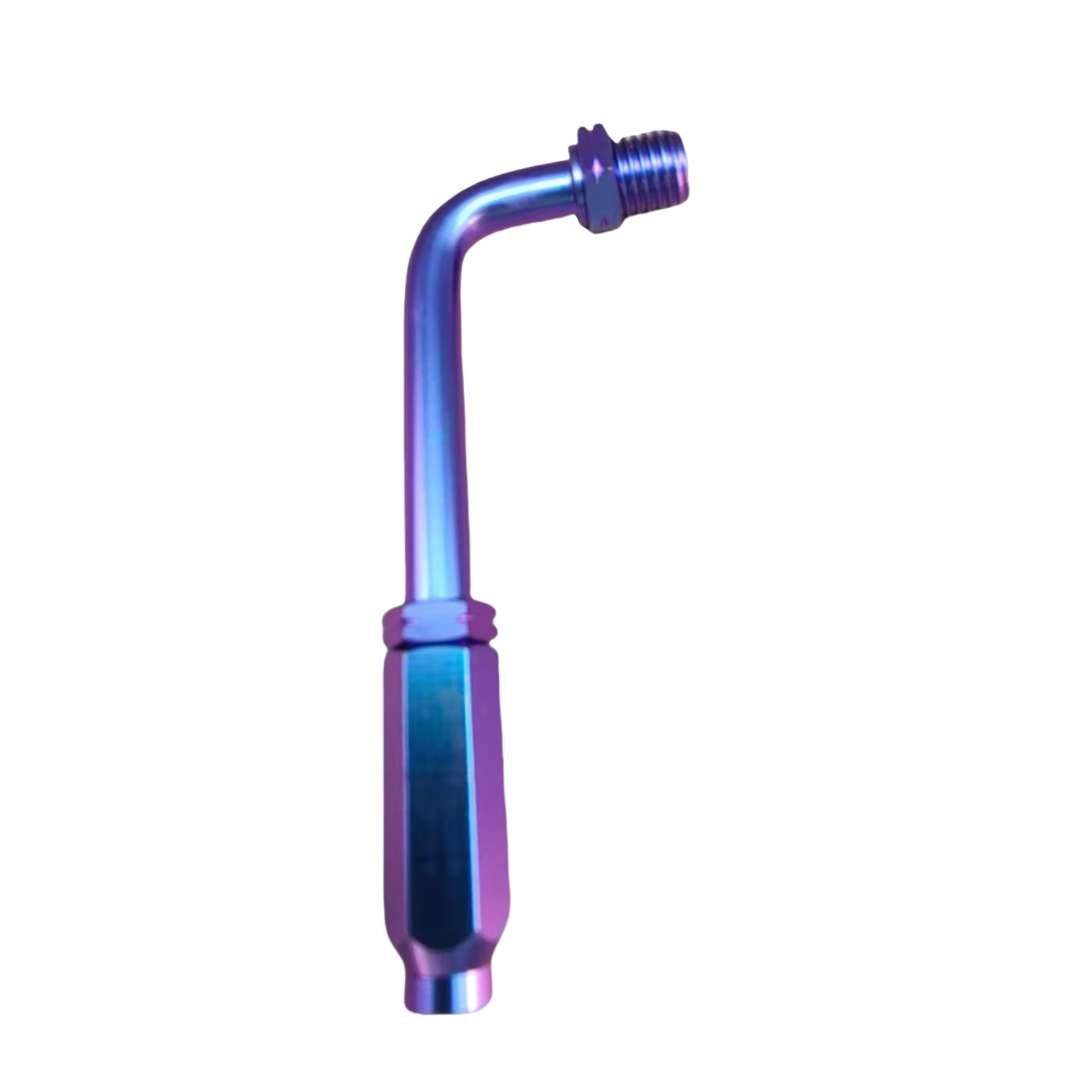
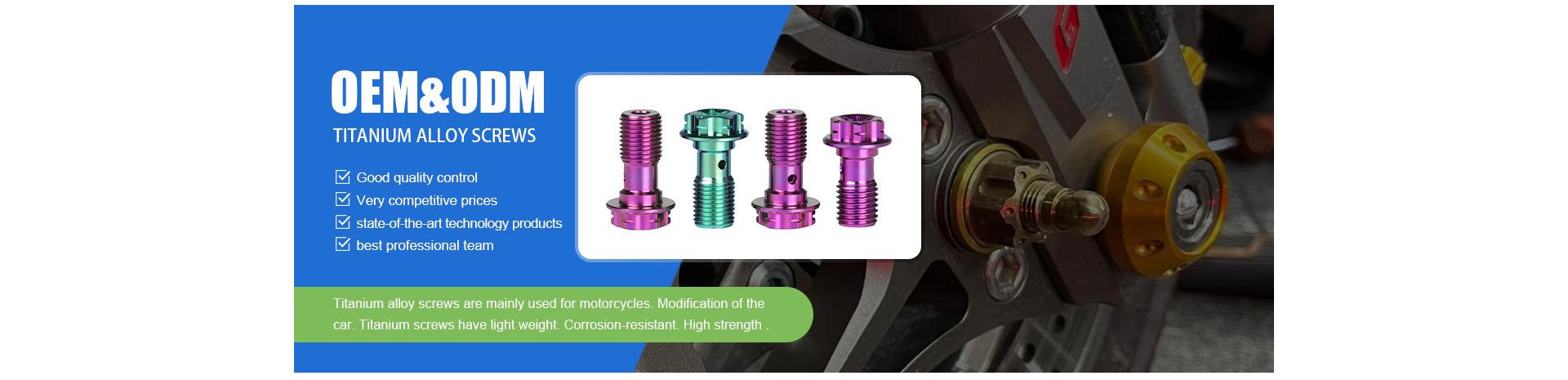
Zunvo Titanium Products Co., Ltd. addresses these harsh offshore dynamics through precision-engineered Grade 5 Titanium (Ti-6Al-4V) Manifold Studs. Boasting an alpha-beta crystal structure, Ti-6Al-4V delivers an extraordinary strength-to-weight profile with a minimum ultimate tensile strength of 895 MPa and an elastic modulus of 114 GPa. Because titanium spontaneously generates an adherent, chemically unreactive rutile (TiO&sub2;) passivation film within milliseconds of atmospheric or aqueous contact, our manifold studs demonstrate zero measurable corrosion rates in ambient seawater, hyper-saline brines, and chlorinated environments up to 250°C.
"In subsea manifold engineering and topside gas turbine turbo-exhaust assemblies across the Norwegian sector, replacing 12.9 carbon steel or duplex studs with rolled-thread Grade 5 titanium eliminates premature bolt snapping caused by thermal fatigue and marine atmospheric oxidation."
Furthermore, marine exhaust manifolds operating on dual-fuel LNG supply vessels and high-output propulsion units out of Risavika Havn endure continuous thermal cycling between ambient fjord temperatures and 450°C exhaust pulses. Grade 5 titanium possesses a coefficient of thermal expansion (8.6 × 10⁻⁶ /K) nearly half that of austenitic stainless steel. This metallurgical compatibility minimizes cyclical thermal stresses across the manifold-to-head interface, eradicating stud shearing, gasket blowouts, and retorquing downtime during scheduled DNV platform overhauls.
Material Performance Index
| Mechanical / Chemical Property | Gr5 Titanium (Ti-6Al-4V) | Super Duplex 2507 | Inconel 718 | 316L Stainless |
|---|---|---|---|---|
| Density (g/cm³) | 4.43 | 7.80 | 8.19 | 7.98 |
| Yield Strength (MPa) | ≥ 825 | 550 | 1,030 | 220 |
| Tensile Strength (MPa) | ≥ 895 | 750 - 1,000 | 1,240 | 520 |
| Seawater Pitting (PREN) | Immune (∞) | ≥ 42 | N/A (Immune) | ~25 |
| CSCC Threshold Temp. | > 300°C | ~100°C | > 280°C | ≥ 60°C |
| Magnetic Permeability | Non-Magnetic | Ferromagnetic | Non-Magnetic | Slightly Magnetic |
Engineered for Stavanger's Offshore & Maritime Sectors
From the Johan Sverdrup field to specialized aquaculture workboats patrolling Rogaland fjords, our titanium manifold studs and bespoke CNC fasteners solve mission-critical failure modes.
Subsea Manifold Trees & Flowlines
Installed in subsea tieback jumpers and Xmas tree valve assemblies where chloride concentration, sour gas (H&sub2;S), and subsea hydrostatic loads require complete immunity to crevice corrosion under NORSOK M-001 design protocols.
Marine Turbo & Exhaust Manifolds
Critical bolting for high-speed crew transfer vessels (CTV) and offshore tugs operating out of Stavanger harbour. Ti-6Al-4V studs endure repeated 450°C thermal spikes without seizing, stripping threads, or oxidation-induced loosening.
Topside HP Deluge & Chemical Injection
Delivering leak-free fastening across platform chemical injection skids and seawater reverse-osmosis (SWRO) desalination manifolds on North Sea floating production storage and offloading (FPSO) units.
Aquaculture & Subsea Robotics (ROV)
Precision M5 to M16 titanium studs engineered for deepwater autonomous subsea survey crawlers and commercial salmon farming cages in Rogaland, where non-magnetic properties and biofouling resistance are essential.
Engineering Trends Reshaping Fastener Procurement in Stavanger
As Western Norway transitions into low-carbon maritime operations and next-generation subsea architecture, titanium fasteners are displacing legacy heavy metals.
1. Maritime Fleet Electrification & Weight Trimming
With Norway's mandate for zero-emission fjords, shipyards around Stavanger and Haugesund are aggressively converting passenger vessels and offshore service catamarans to hybrid-battery and hydrogen fuel cells. Every kilogram saved on high-temperature engine manifolds and structural piping directly expands battery range and payload capacity, accelerating the switch from dense alloy steel to 44% lighter Gr5 titanium.
2. Carbon Capture, Utilization & Storage (CCUS) Infrastructure
As the Northern Lights initiative and associated offshore CO&sub2; injection wells progress along the Norwegian Continental Shelf, manifold systems handle supercritical, moisture-entrained carbon dioxide at extreme pressures. Supercritical CO&sub2; forming corrosive carbonic acid rapidly degrades standard fasteners, positioning Grade 5 and Grade 7 titanium as the preferred long-lifecycle bolting solution.
3. Total Cost of Ownership (TCO) vs. Offshore Downtime
The exorbitant cost of chartering subsea support vessels in the North Sea ($40,000 to $120,000/day) has shifted Stavanger procurement strategies. Specifying cold-headed, thread-rolled titanium manifold studs—which completely eradicate galling failures and corrosion-driven workovers—drastically reduces unscheduled maintenance shutdowns across the platform's multi-decade lifecycle.
Direct From Baoji: The World's Titanium Epicenter
Backed by 101–200 technical specialists, an advanced 1,000–3,000 m² production workshop, and complete raw material provenance verified back to the original sponge melt.
Why Stavanger Engineering Contractors Partner with Zunvo
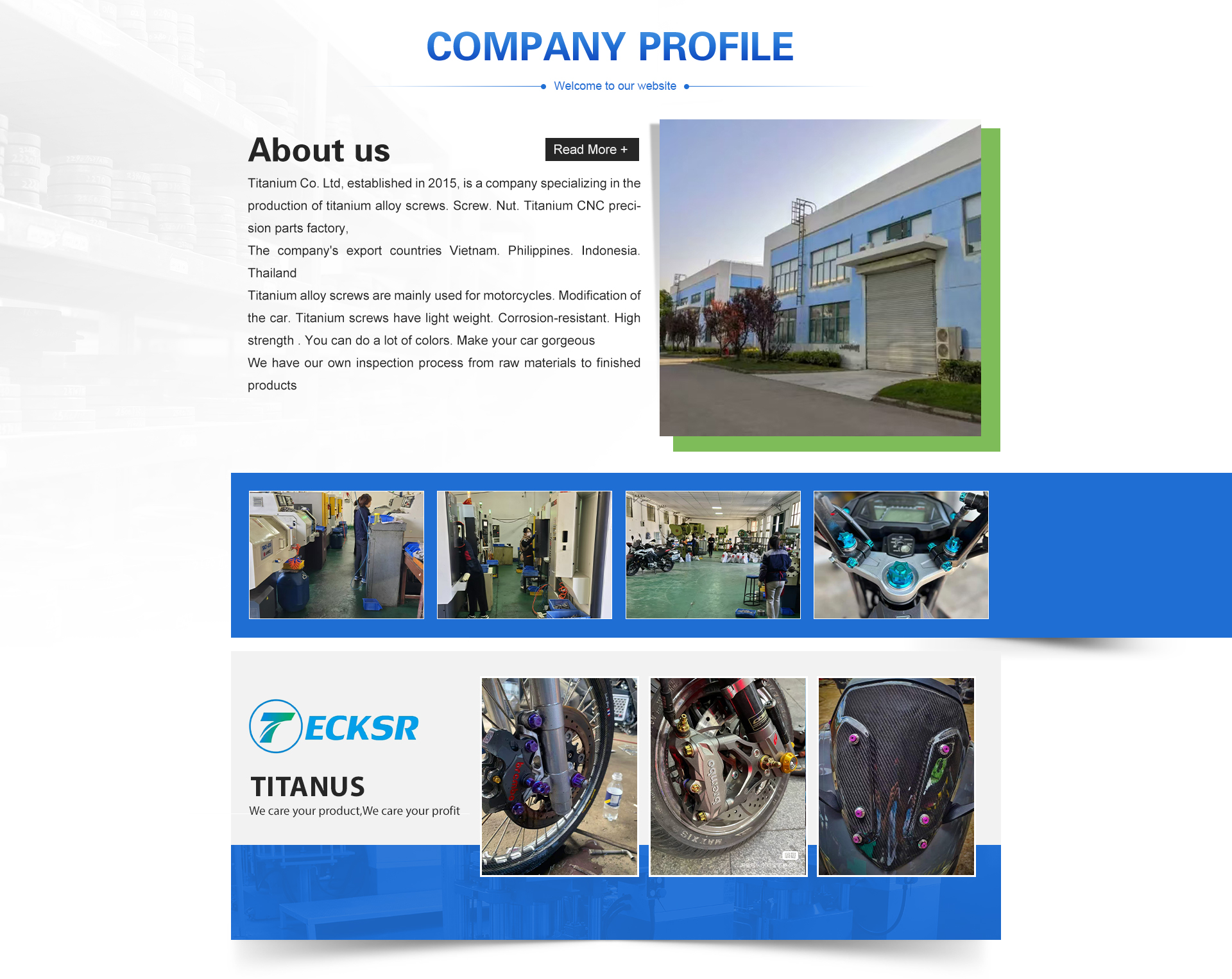
Founded in 2015 in Baoji, Shaanxi Province ("China's Titanium Valley"), Zunvo Titanium Products Co., Ltd. sits directly adjacent to premier smelting and ingot conversion hubs. This geographical integration guarantees direct access to premium aerospace-grade titanium sponge and vacuum-arc remelted (VAR) Ti-6Al-4V bar stock with absolute compositional conformity.
Unlike standard fastener jobbers who machine threads on conventional lathes, Zunvo utilizes multi-axis CNC Swiss machining and precision thread rolling machines. Thread rolling reforms the titanium grain structure continuously along the thread crests and roots rather than cutting across the grain. This metallurgical refinement yields an unbroken grain profile, elevating fatigue strength by up to 300%—a critical requirement for manifolds subjected to unrelenting engine vibrations and wave-induced cyclic shocks.
Every shipment bound for Stavanger is backed by comprehensive EN 10204 Type 3.1 Inspection Certificates, detailed Chemical Composition Reports via Optical Emission Spectroscopy, and rigorous Tensile / Yield validation.


Frequently Asked Questions by Stavanger Marine Engineers
Direct answers addressing Norwegian standards, galvanic isolation, anti-galling treatments, and door-to-door delivery logistics.
Titanium occupies a highly noble position on the galvanic series in aerated seawater (+0.05 to −0.10 V SCE), sitting close to Super Duplex 2507 and Nickel Alloys (Inconel). When coupled directly with duplex or 316L manifolds, titanium will not corrode. To prevent galvanic acceleration of the mating flange, we recommend dielectric isolation sleeves or our PVD thin-film barrier coatings when exposed to continuous submerged electrolyte.
Titanium has a relatively low thermal conductivity, which can induce micro-welding (galling) if run dry under high clamping loads. Zunvo provides several anti-galling solutions: precision rolled mirror threads (surface roughness Ra ≤ 0.4 μm), micro-arc oxidation (MAO), electrolytic hard anodizing, and molybdenum disulfide (MoS&sub2;) dry-film lubricant coatings, ensuring consistent torque-tension relationships.
Yes. We specialize in custom OEM/ODM fasteners. Whether you require double-ended studs with dog-point leads, necked-down shank studs for elastic stretch compliance, or bespoke DIN/ISO standard pitch variations (M6 up to M36), our engineering team reviews your drawings within 24 hours and can dispatch CNC prototypes in as few as 3 days.
Each production lot is accompanied by a full documentation dossier: EN 10204 Type 3.1 Mill Inspection Certificate, raw material heat-number chemical analysis, mechanical tensile and yield test records, thread-gauge CMM dimensional reports, and certificate of origin. All customs import declarations for Norway are prepared in full compliance with Norwegian customs (Tolletaten).
Standard metric studs and catalog items held in inventory dispatch within 24 hours via express air freight (DHL/FedEx/UPS), reaching Stavanger Airport (SVG) within 4–6 business days. For customized production runs or high-volume project orders, our typical manufacturing cycle is 7–15 days, followed by priority air or sea freight consolidation to Risavika Havn.
While Grade 2 commercially pure titanium provides excellent corrosion resistance, its yield strength (approx. 275–350 MPa) is insufficient for high-pressure manifold joints that require high clamping preloads to avoid joint opening under pressure. Grade 5 offers more than double that yield strength (≥825 MPa), easily matching Class 8.8 and approaching Class 10.9 high-tensile steel ratings.
Request Technical Specifications & Project Quotation
Partner directly with Baoji's premier onsite-verified titanium fastener manufacturer. Send us your CAD drawings, required thread pitch, and target quantities for a comprehensive technical review and quote within 7 hours.
