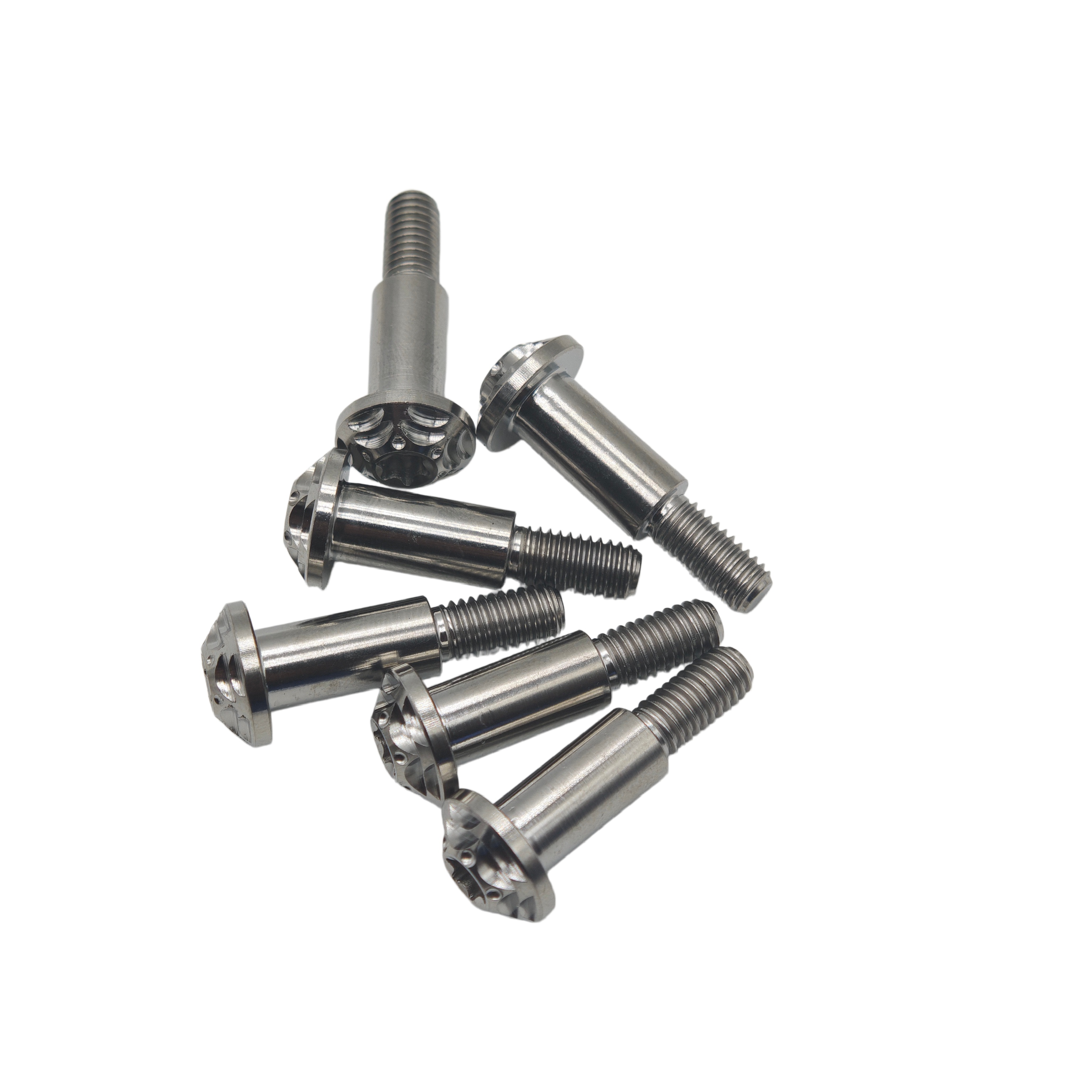
CNC Precision Bolts
Custom Torx Shoulder Screw CNC Machined GR5 Titanium Socket Head Decorative Bolt
Ti-6Al-4V Gr5Torx DriveTight Tolerance
Cold-headed and CNC finished from certified Ti-6Al-4V aerospace bar stock. Engineered to ASTM B348, AMS 4928, and DIN 912 dimensional and tensile specifications for mission-critical deployments across New York State.
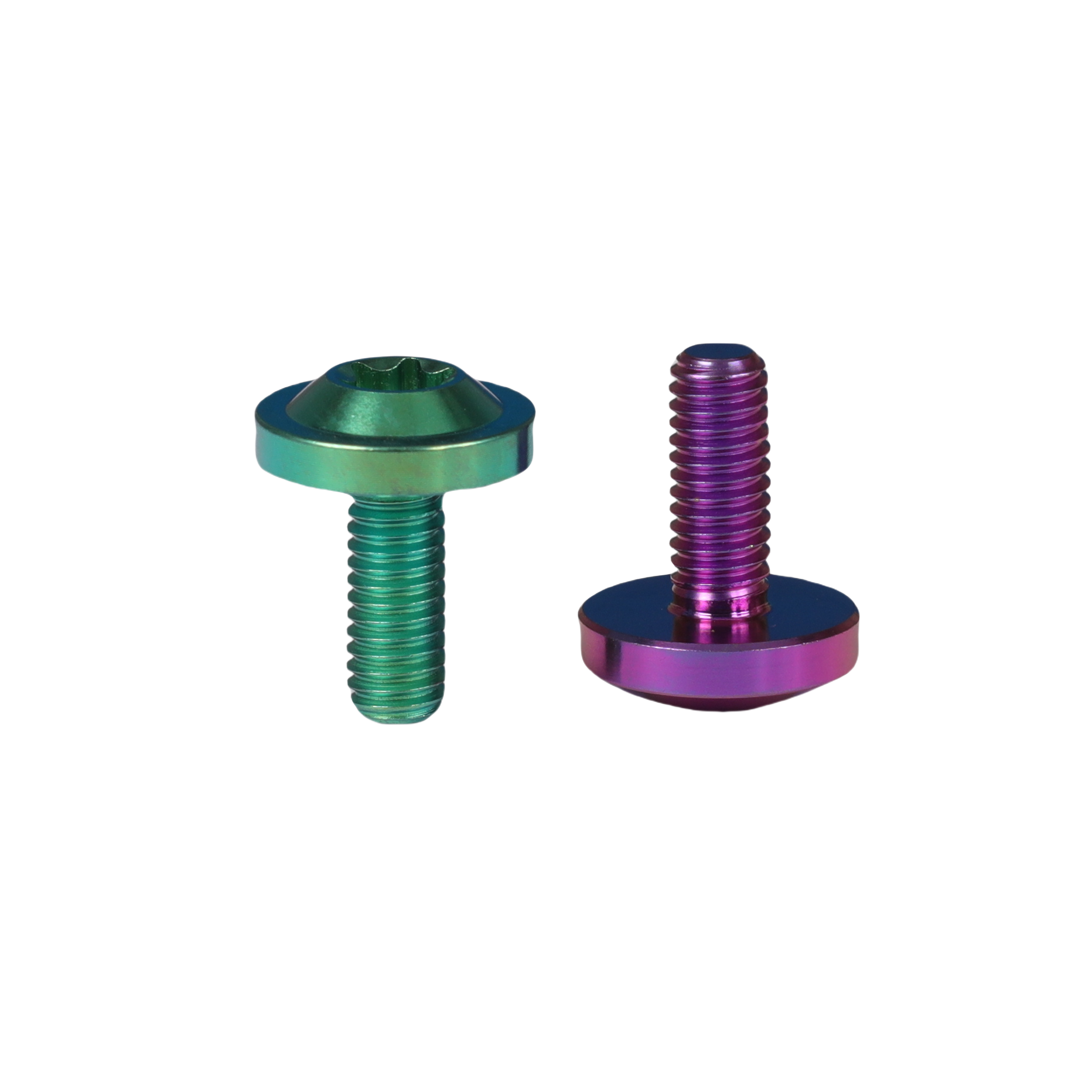
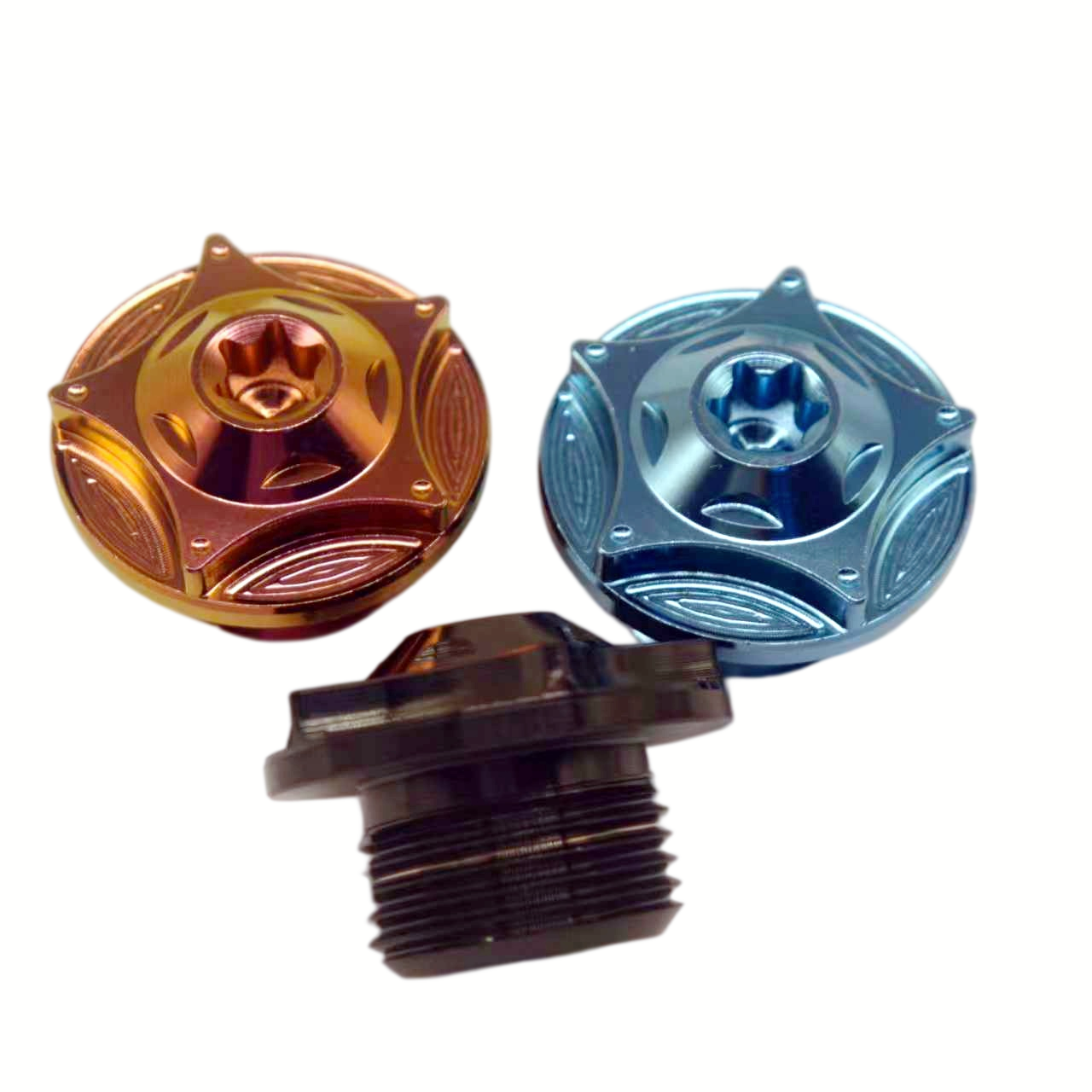
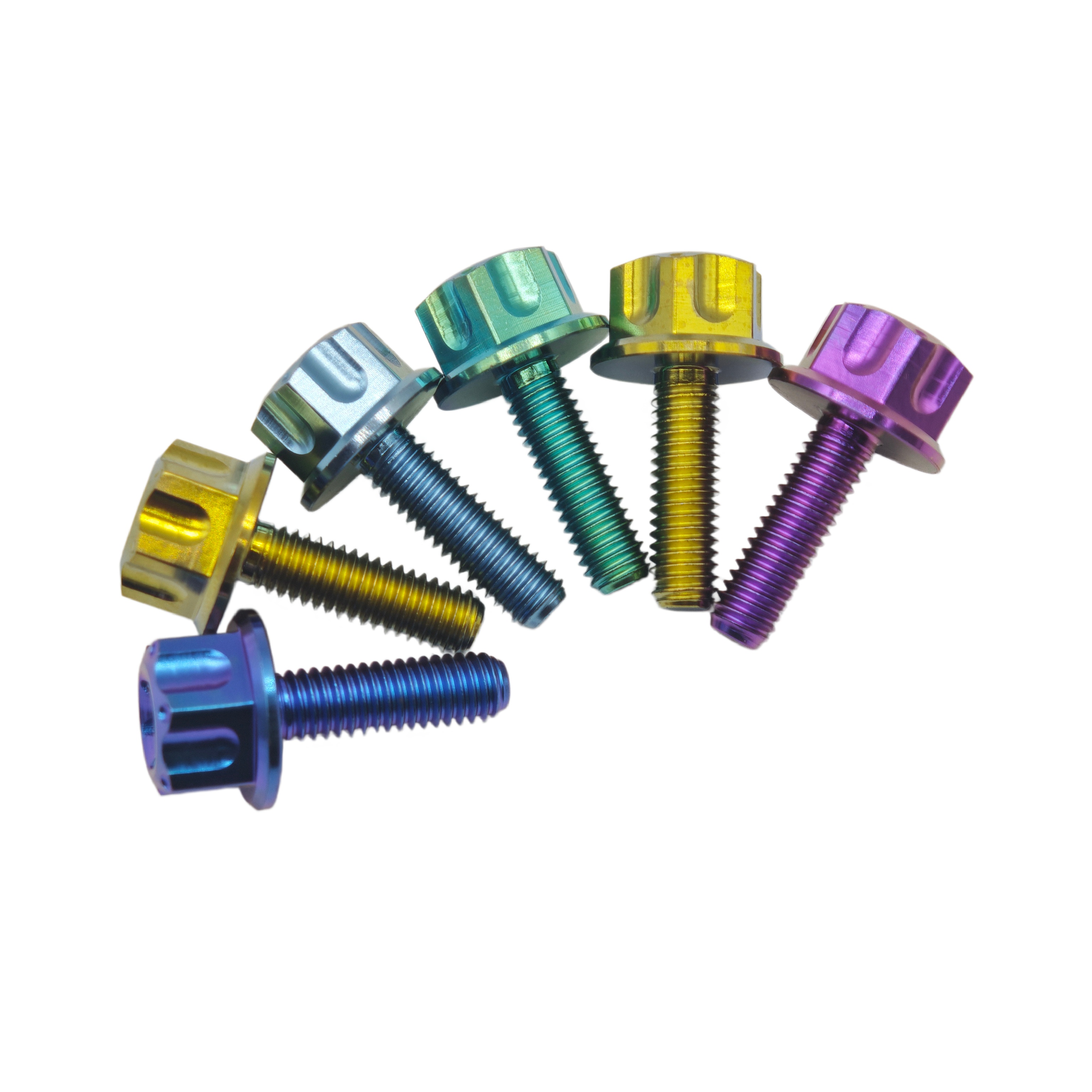
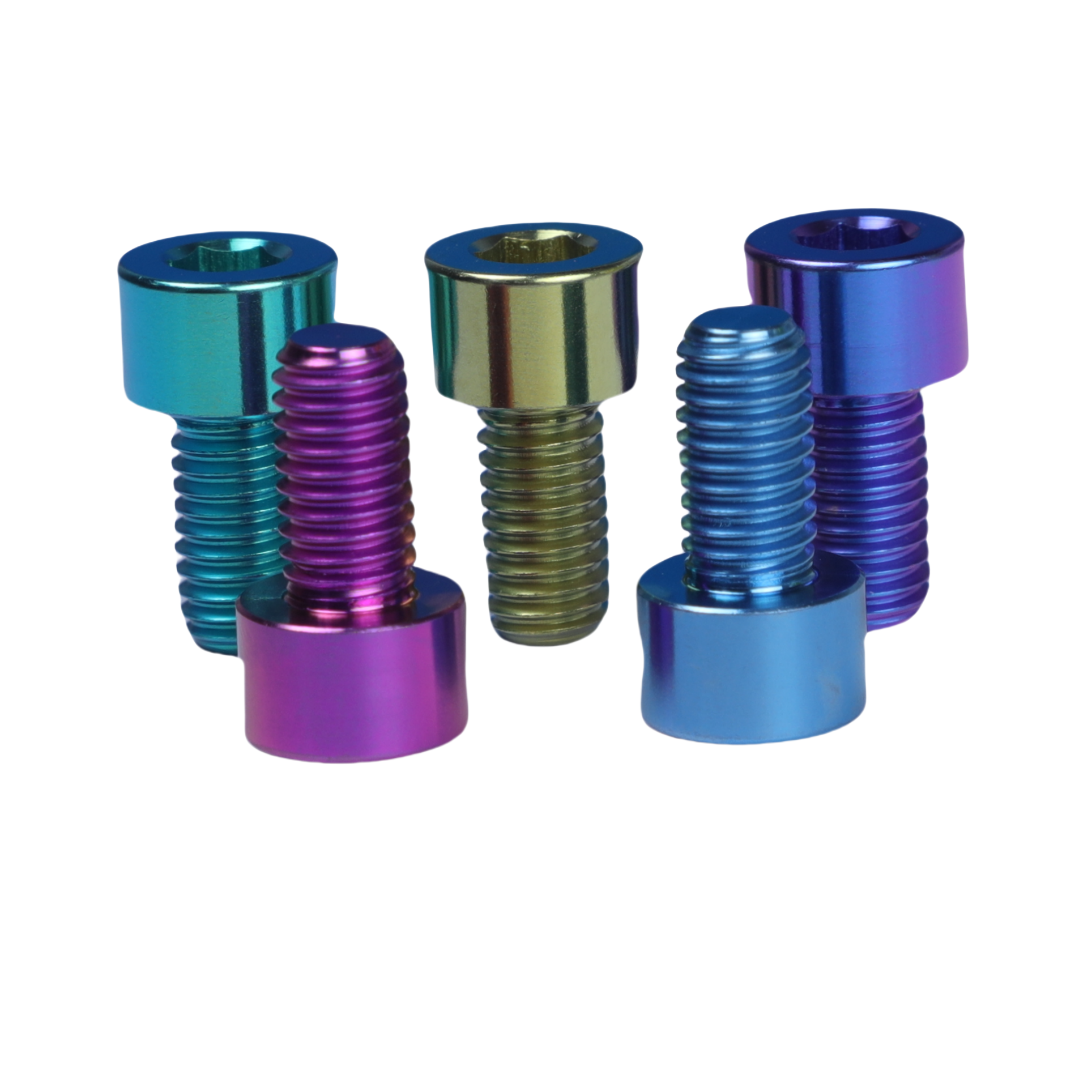
Understanding the mechanical, thermal, and microstructural distinctions between commercially pure titanium, Grade 5 alloys, and high-tensile steels across New York industrial assemblies.
In engineering procurement across New York's aerospace corridors and advanced manufacturing facilities, selecting the optimal fastener geometry and material chemistry dictates overall structural integrity. While commercially pure titanium (such as Grade 2) offers adequate corrosion resistance, critical load-bearing assemblies require the distinct metallurgical properties of alpha-beta Grade 5 alloy (Ti-6Al-4V / UNS R56400 / Werkstoff 3.7165). By incorporating 6% aluminum to stabilize the alpha phase and 4% vanadium to stabilize the beta phase, Ti-6Al-4V demonstrates a minimum tensile strength of 895 to 1,000 MPa (130 to 145 ksi), rivaling ASTM A574 / Grade 10.9 alloy steel socket cap screws while yielding an immediate 44% mass reduction (density of 4.43 g/cm³ compared to 7.85 g/cm³ for carbon steel).
Unlike conventional machining practices that cut through the internal grain flow of fastener shanks, our manufacturing protocol enforces cold heading or warm heading followed by precision thread rolling under ASTM B348 and AMS 4928 standards. Rolling threads instead of cut-threading prevents notch-sensitivity vulnerabilities by producing continuous, unbroken grain flow lines contoured along the thread root and crest. This cold-working plastic deformation process induces beneficial compressive residual stresses at the thread roots, significantly improving the bolt's high-cycle fatigue life under vibrational loading—a critical metric for defense flight hardware manufactured on Long Island and high-rpm motorsports testing in Watkins Glen.
| Property / Characteristic | Ti-6Al-4V (Grade 5) Socket Bolt | 316 Marine Stainless Steel (A4-80) | Grade 12.9 High-Tensile Steel | 7075-T6 Aerospace Aluminum |
|---|---|---|---|---|
| Density (g/cm³) | 4.43 | 8.00 | 7.85 | 2.81 |
| Ultimate Tensile Strength (UTS) | 950 - 1050 MPa | 800 MPa | 1220 MPa | 570 MPa |
| Yield Strength (0.2% Offset) | ≥ 880 MPa | 600 MPa | 1100 MPa | 505 MPa |
| Strength-to-Weight Ratio (kN·m/kg) | 214 (Superior) | 100 | 155 | 202 |
| Modulus of Elasticity (GPa) | 113.8 (High Compliance) | 193 | 206 | 71.7 |
| Chloride Pitting Resistance (PREN) | Immune to Ambient Salt Pitting | 23 - 25 (Pitting Risk in Stagnant Water) | Zero (Requires Sacrificial Plating) | Poor (Galvanic Exfoliation Risk) |
| Working Temperature Envelope | -250°C to +400°C | -196°C to +300°C | -20°C to +200°C | -50°C to +120°C |
From Long Island’s aerospace cradle to upstate clean-tech corridors, our Grade 5 titanium socket fasteners resolve demanding mechanical, galvanic, and thermal challenges.
Long Island remains one of North America's premier military aviation and satellite propulsion hubs. Our DIN 912 and custom Torx titanium socket cap bolts serve as critical low-mass fasteners for avionic enclosures, sensor gimbals, satellite chassis, and UAV airframes. The non-magnetic property of Grade 5 titanium eliminates magnetic flux interference near sensitive navigational magnetometers and RF radar modules.
Commercial marine operations in New York Harbor, Staten Island shipyards, and offshore wind developments off Montauk Point contend with relentless chloride and saltwater aerosol exposure. Grade 5 titanium bolts develop an instantaneous, self-healing titanium dioxide (TiO₂) passivation layer that prevents crevice corrosion, stress cracking, and pitting—outlasting 316 stainless steel by decades in submerged conditions.
Within the Tech Valley cleanrooms spanning Albany NanoTech Complex and Fishkill semiconductor fabs, socket head fasteners face extreme chemical vapors, plasma etching gases, and high-vacuum bakeout cycles. Our ultrasonic-cleaned, vacuum-degreased titanium fasteners demonstrate zero outgassing and withstand harsh hydrofluoric or nitric acid splashes without particulate flaking.
High-performance racing teams competing at Watkins Glen International require drastic unsprung and rotating mass reductions. Replacing steel brake caliper mounting bolts, rotor hat screws, and engine case bolts with Grade 5 titanium cuts unsprung weight at wheels and suspension arms, directly accelerating transient steering response and dampening high-frequency harmonic chassis vibrations.
Western New York's flourishing surgical robotics and optical medical device manufacturing sector relies on titanium socket cap screws for structural framing and end-effector articulation joints. Grade 5 titanium offers biocompatible inertness, high strength-to-modulus ratios that match robotic carbon fiber arms, and resistance to repeated autoclave steam sterilization cycles.
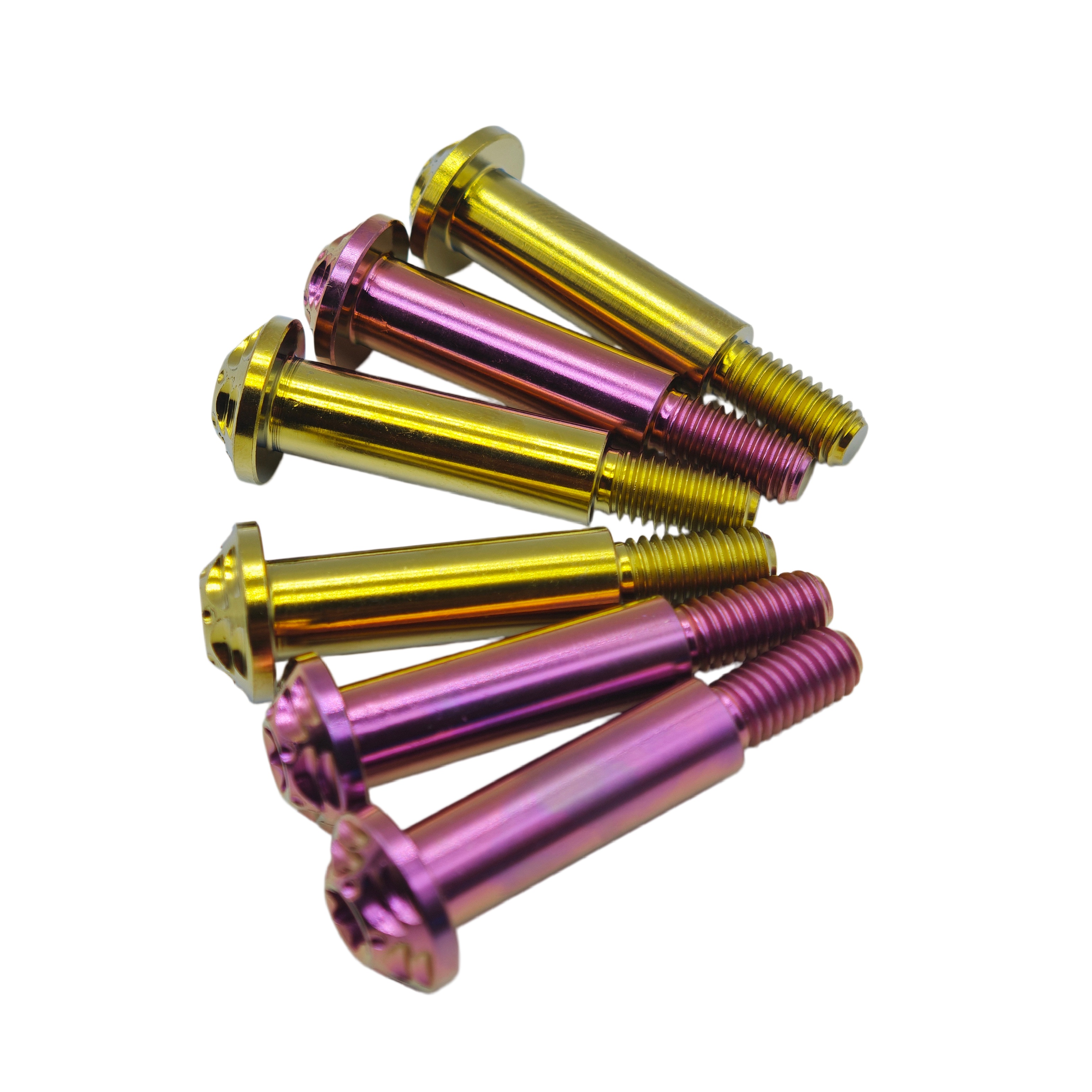
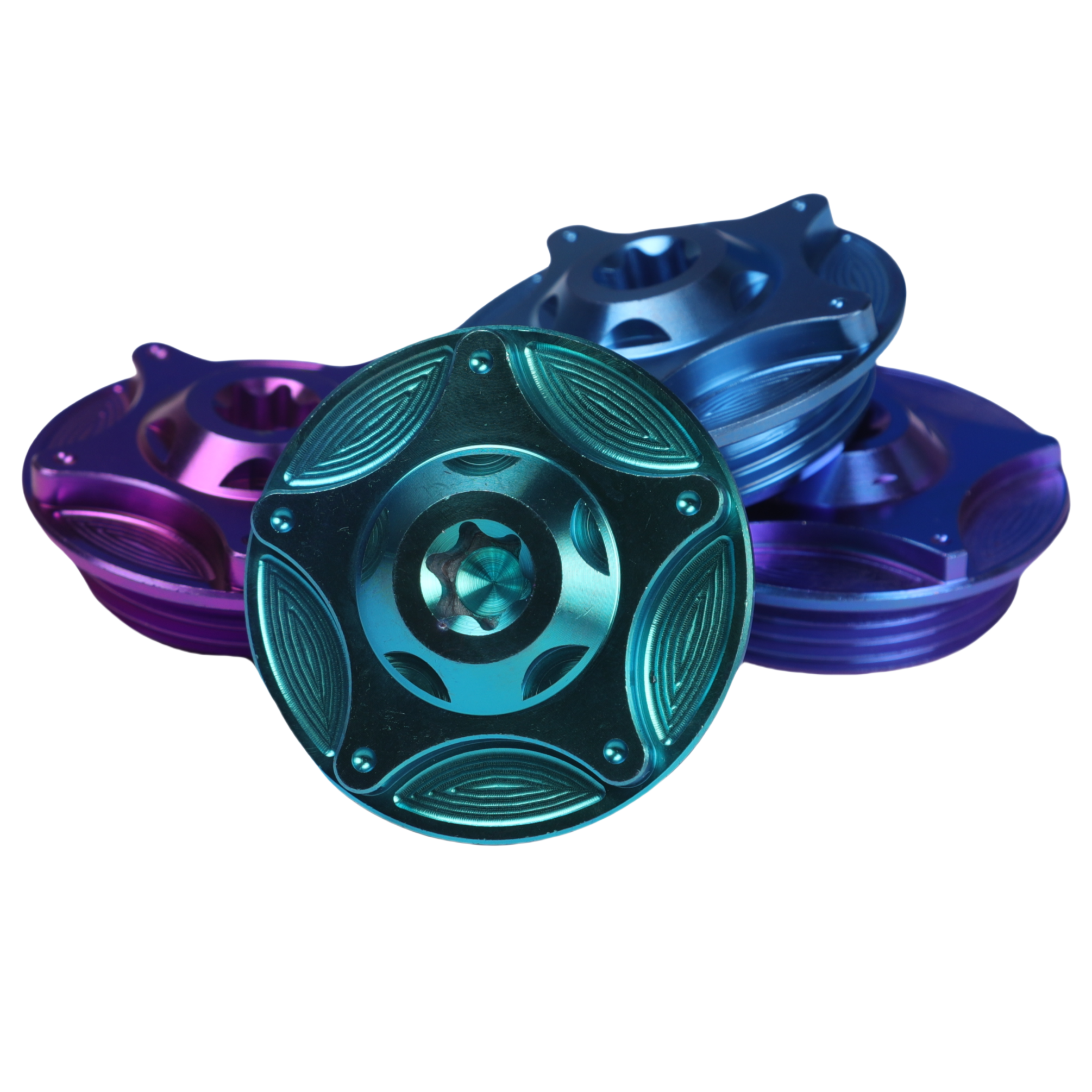
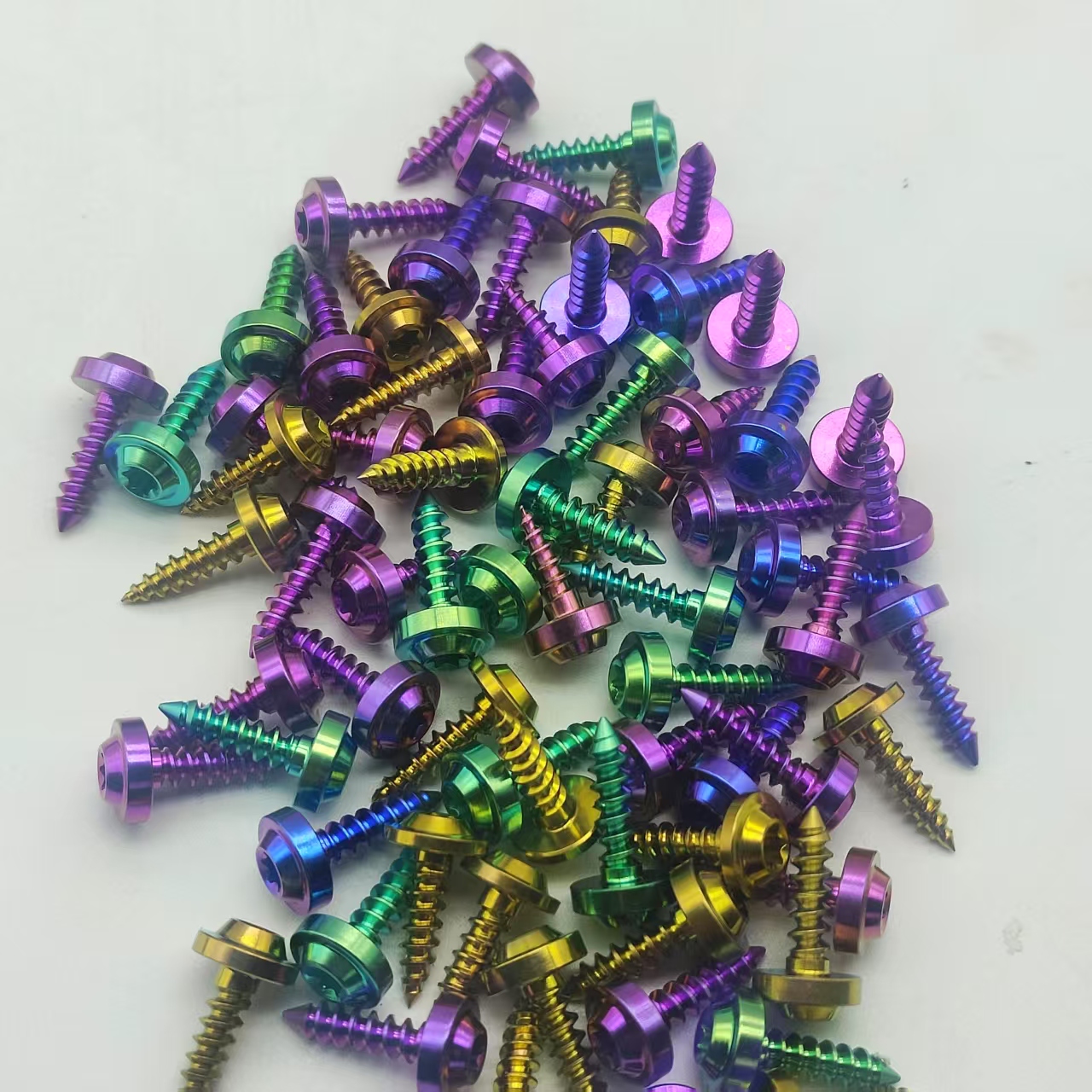
In Manhattan's avant-garde architectural facade installations and boutique urban carbon-frame cycling builder shops throughout Brooklyn, aesthetics merge with mechanical duty. Our PVD black, burnt rainbow, and gold voltage-anodized socket bolts provide both high preload holding power and permanent non-tarnishing visual appeal against urban weathering.
Strategic procurement shifts toward material decarbonization, composite-metal galvanic compatibility, and direct-to-mill digital traceability are transforming B2B purchasing throughout the Northeast.
With the rapid adoption of lightweight carbon fiber reinforced polymers (CFRP) across New York's aerospace and electric eVTOL developments, engineers have abandoned standard steel and aluminum fasteners. When aluminum comes into contact with conductive carbon fiber, severe galvanic corrosion ensues. Titanium exhibits virtually identical galvanic electrical potential to carbon (-0.10 to +0.10 V), eliminating electrolyte degradation and making titanium socket bolts the industry standard for composite bolting.
Procurement teams across NY defense sub-tiers now mandate uncompromised material genealogy. Counterfeit fasteners or scrap-blended titanium represent severe flight and legal hazards. Modern procurement demands comprehensive mill test reports (MTRs) detailing chemical melt chemistry (ICP-OES verified percentages of nitrogen, oxygen, iron, carbon, and hydrogen) and optical thread pitch verification for every shipped lot.
New York startups and contract manufacturers face tight product validation cycles. The traditional multi-month lead time for specialized aerospace hardware is no longer viable. Demand has pivoted to specialized precision manufacturers capable of turning around 3D/CAD drawings into 3-day CNC prototypes, followed by scalable heading and thread rolling production delivered direct to JFK or EWR logistics hubs within 7 to 15 days.
Direct manufacturing from the heart of Baoji's Titanium Valley, backed by end-to-end metallurgical quality control, custom CNC capabilities, and express delivery to New York facilities.
Sourced adjacent to certified titanium smelters in Baoji. Every batch ships with an EN 10204 3.1 Mill Test Certificate guaranteeing Grade 5 Ti-6Al-4V chemical purity and tensile yield thresholds.
In-house CAD/CAM engineers convert STEP, DXF, or IGES engineering drawings into functional CNC prototypes within 72 hours, enabling rapid fit, finish, and stress testing.
Multi-stage inspection including automated thread Go/No-Go plug checking, coordinate measuring machine (CMM) dimensional verification, and optical projection inspection on critical head shoulders.
Established air and sea logistics channels with daily flights direct into New York JFK and Newark EWR, supported by full customs clearing documentation and door-to-door tracking.
Our applications engineering desk provides DFM (Design for Manufacturability) analysis, thread pitch recommendations, and batch pricing within an average response window of 7 hours.
Essential technical guidelines covering thread galling prevention, tightening torque specifications, plating alternatives, and supply-chain logistics.
Grade 5 (Ti-6Al-4V) titanium socket bolts feature a typical ultimate tensile strength of 950–1050 MPa and yield strength of ≥880 MPa. This provides a direct, equivalent replacement for standard ISO Class 8.8 and Class 10.9 steel bolts with a 44% weight reduction. For applications rated strictly for ISO Class 12.9 (UTS 1220 MPa), our engineering team conducts an in-depth cross-sectional stress and shear analysis: in many assemblies, moving to titanium is safely achieved by stepping up nominal shank diameter by 1 mm (e.g., substituting an M8 Grade 12.9 bolt with an M9 or M10 Grade 5 bolt) while still realizing overall structural weight savings.
Titanium possesses a microscopic titanium oxide film that, under extreme friction and high sliding contact pressures, can wipe away and lead to galling (micro-frictional seizure). To completely prevent galling during automated assembly: (1) Apply a quality nickel-based, copper-based, or molybdenum disulfide (MoS₂) anti-seize paste to threads before torquing; (2) Avoid excessive pneumatic impact driver RPM during installation; (3) Specify our anti-friction PVD (Physical Vapor Deposition) DLC (Diamond-Like Carbon) or micro-arc oxidation surface treatments, which create a hard, dry-lubricated barrier preventing direct metal-to-metal contact.
Because Grade 5 titanium has a lower modulus of elasticity (~114 GPa) than structural steel (~206 GPa), it stretches slightly more under identical tension, acting like a stiffer spring that retains clamping preload effectively under thermal fluctuations. However, because of differing friction coefficients, torque values must be adjusted. As an engineering baseline, lubricated Grade 5 titanium socket cap screws should generally be torqued to approximately 75% to 85% of standard carbon steel torque values for a given bolt diameter. We provide comprehensive bolt torque and clamp preload charts tailored to your specific mating materials and thread pitches upon request.
Every production lot delivered to New York facilities is accompanied by an authenticated EN 10204 Type 3.1 Inspection Certificate. Documentation includes complete chemical composition analysis (verifying strict adherence to ASTM B348 / AMS 4928 elemental limits for Ti, Al, V, Fe, C, N, H, O), mechanical tensile and yield test records, proof load verification, and 100% Go/No-Go thread pitch gauge certification. Full material heat-treat records are digitally archived and retrievable for 10 years to support your AS9100 or ISO 9001 audit requirements.
In-stock catalog fasteners (such as standard DIN 912 M3–M16 socket cap screws) dispatch from our warehouse within 24 hours. Custom drawing-based orders generally require 3 days for prototype validation and 7 to 15 days for bulk heading, rolling, and surface treatment. We provide air express shipping via DHL, FedEx, and UPS with direct airfreight tracking landing at JFK or Newark EWR within 3 to 5 business days. All export customs paperwork, commercial invoices, Harmonized Tariff Schedule (HTS) classifications, and packing manifests are handled seamlessly by our export logistics desk.
Unlike heavy paints, electroplating, or powder coats that add 20 to 50 microns of uneven thickness and jeopardize 6g/6H thread fit, our titanium anodizing process is an electrolytic oxidation process that alters the refractive thickness of the natural surface TiO₂ layer at the nanometer scale (typically under 200 nm). It introduces virtually zero dimensional change, maintaining strict DIN/ISO thread class clearances. PVD vacuum coatings (such as DLC or titanium carbonitride) deposit a layer just 1.5 to 3 microns thick, offering extreme surface micro-hardness (HV > 2500) and complete immunity to peeling, flaking, or UV degradation in outdoor architectural or marine environments.
Submit your CAD drawings, standard DIN/ISO part lists, or custom project requirements. Our metallurgical engineering desk provides technical review, mass reduction calculations, and volume manufacturing pricing for New York industrial partners.
Inquire Now