Grade 5 Ti-6Al-4V
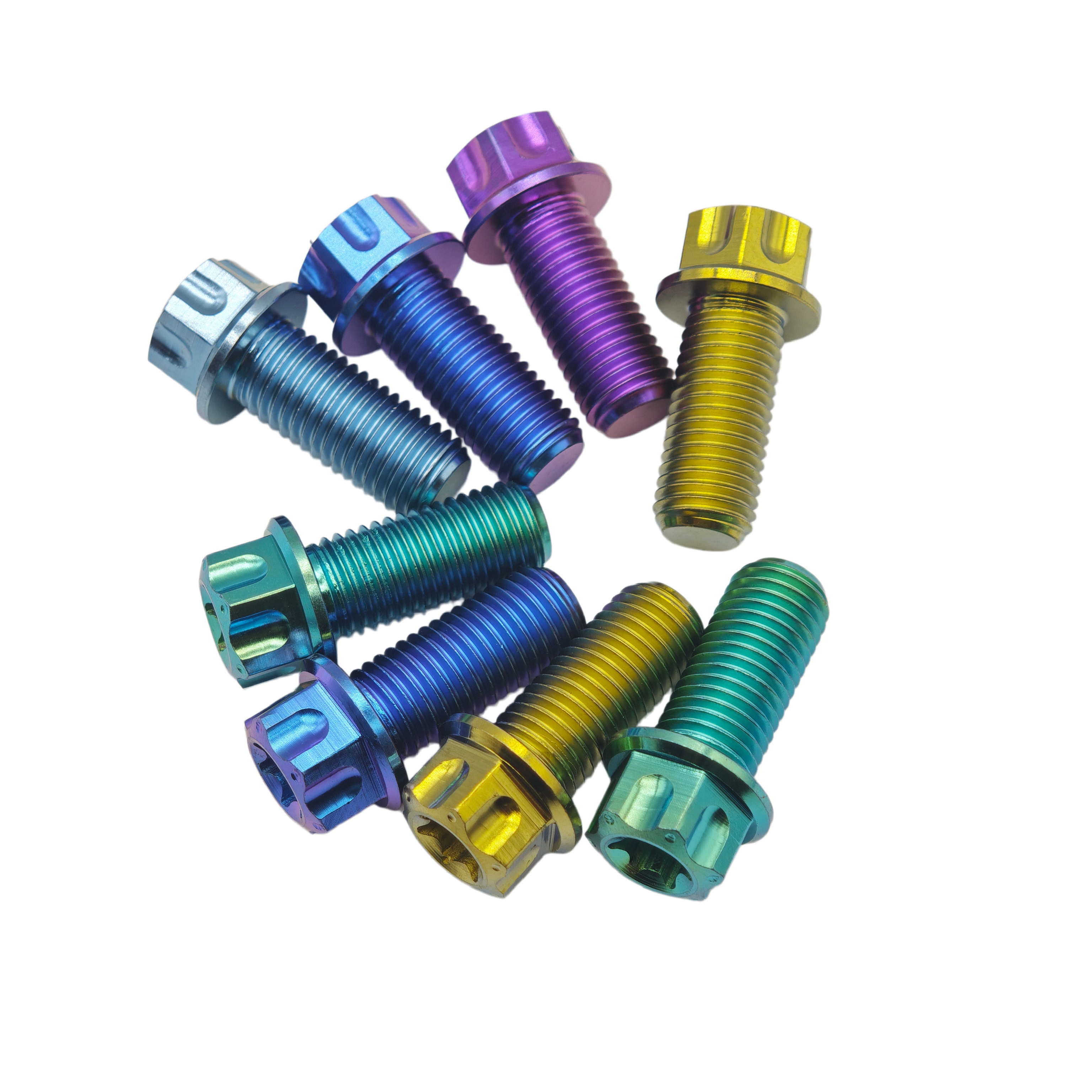
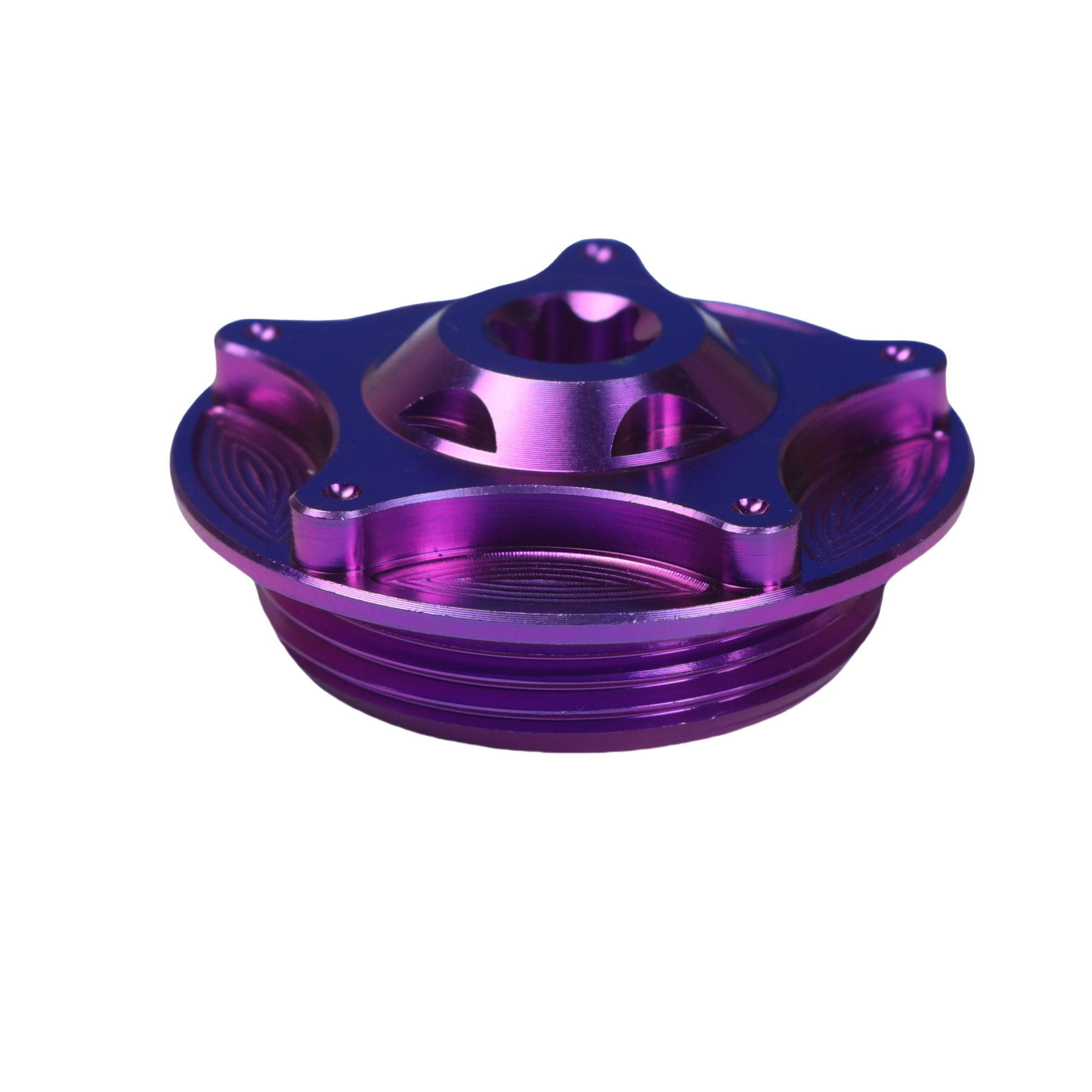
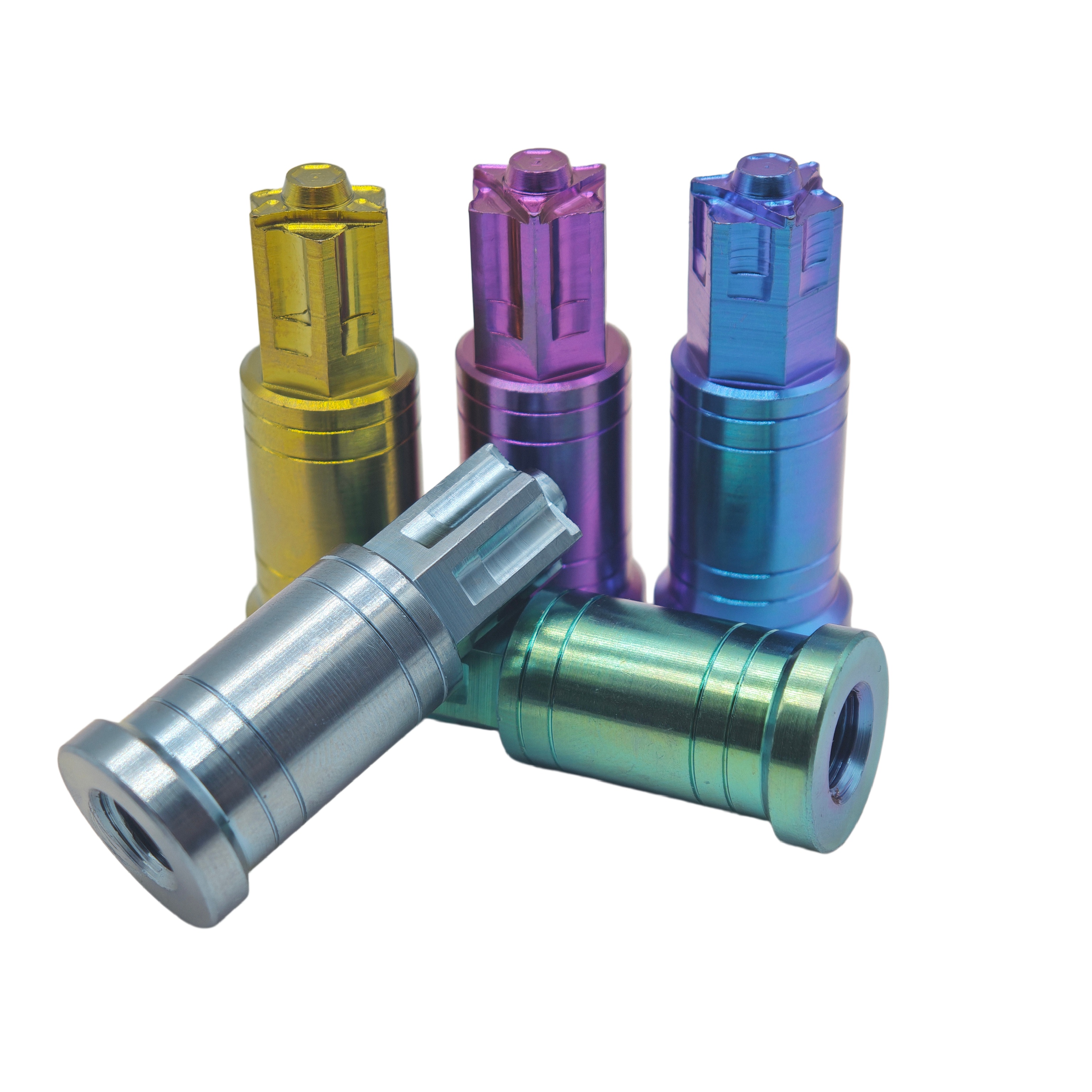
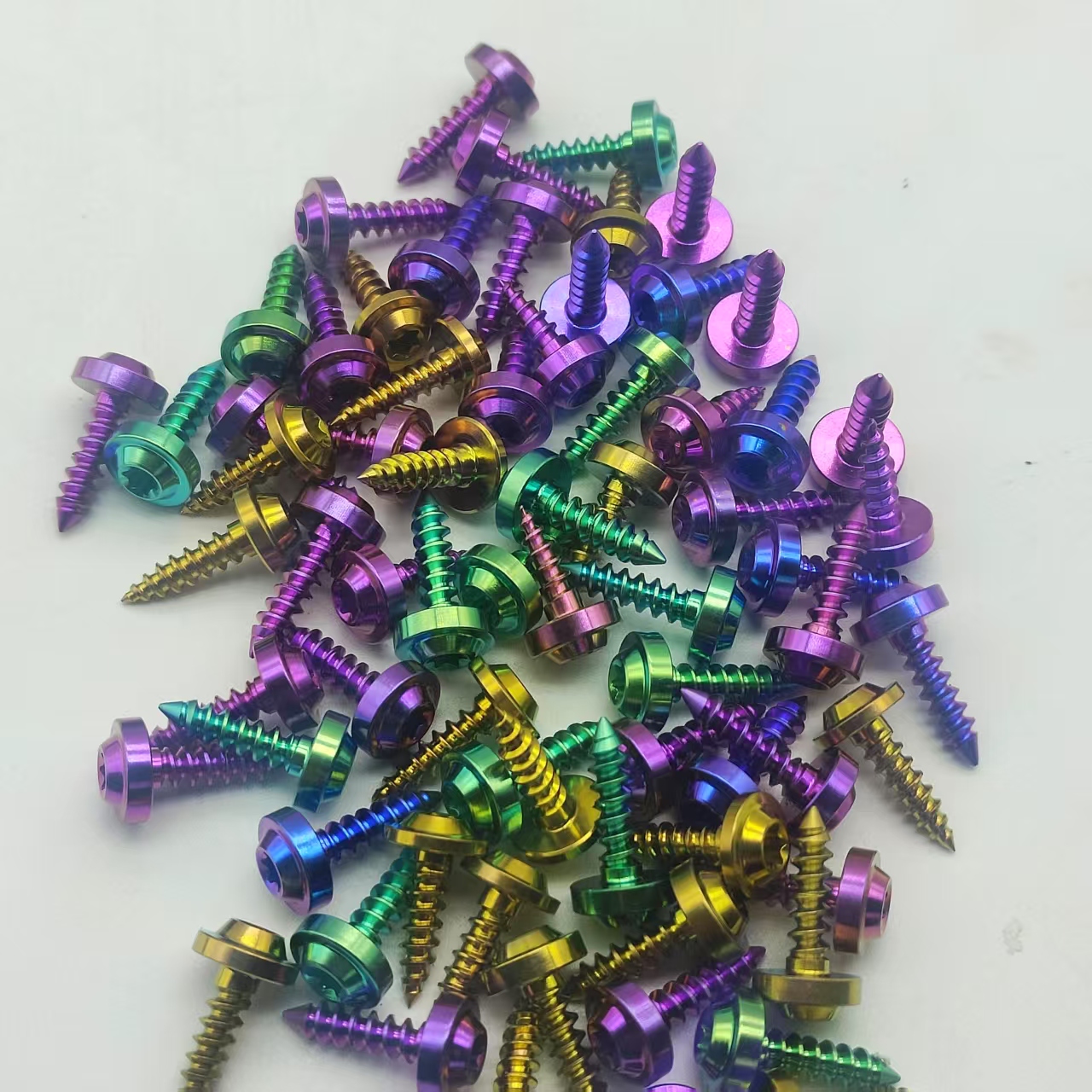
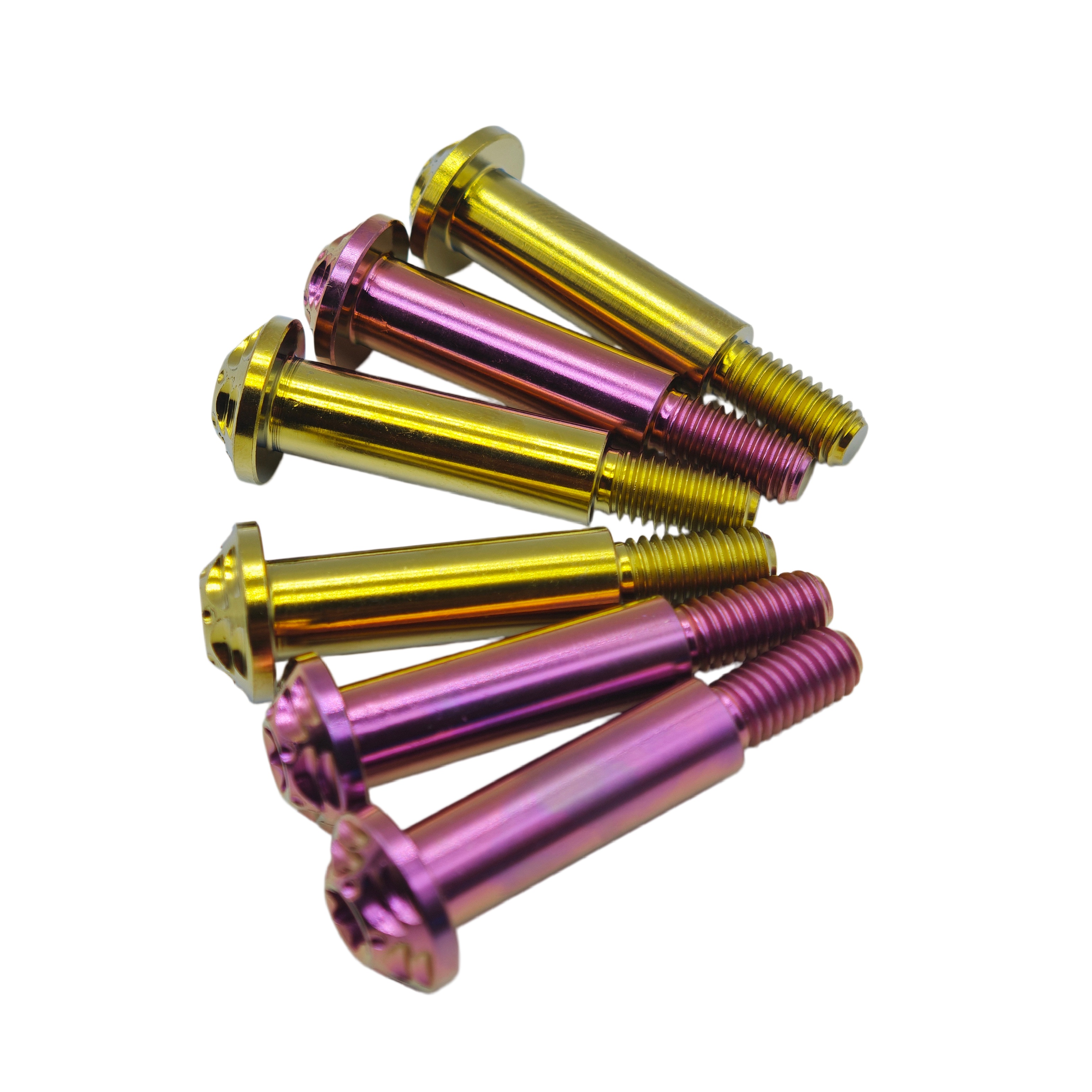
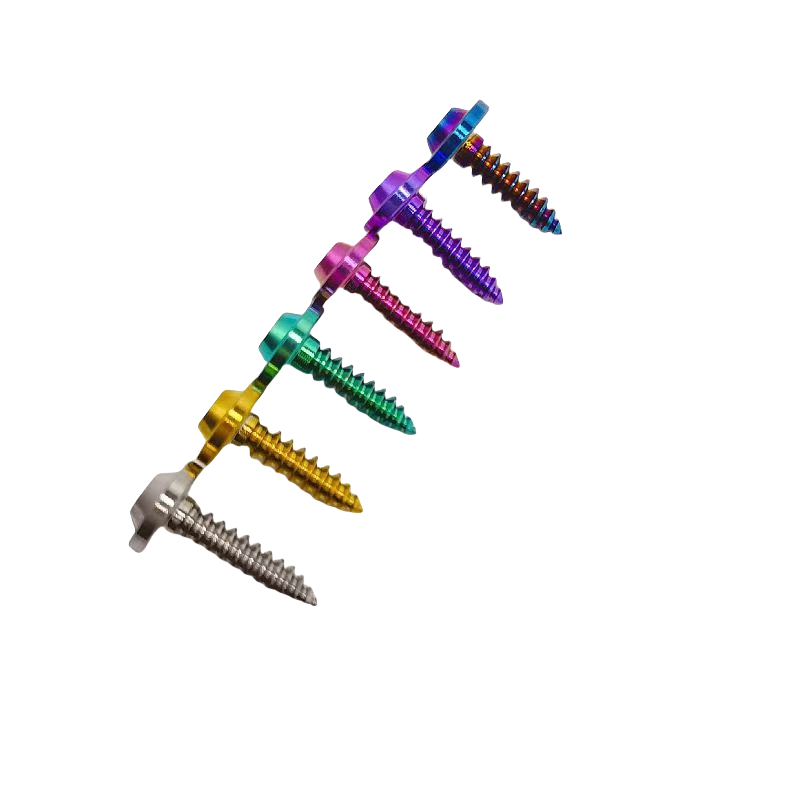
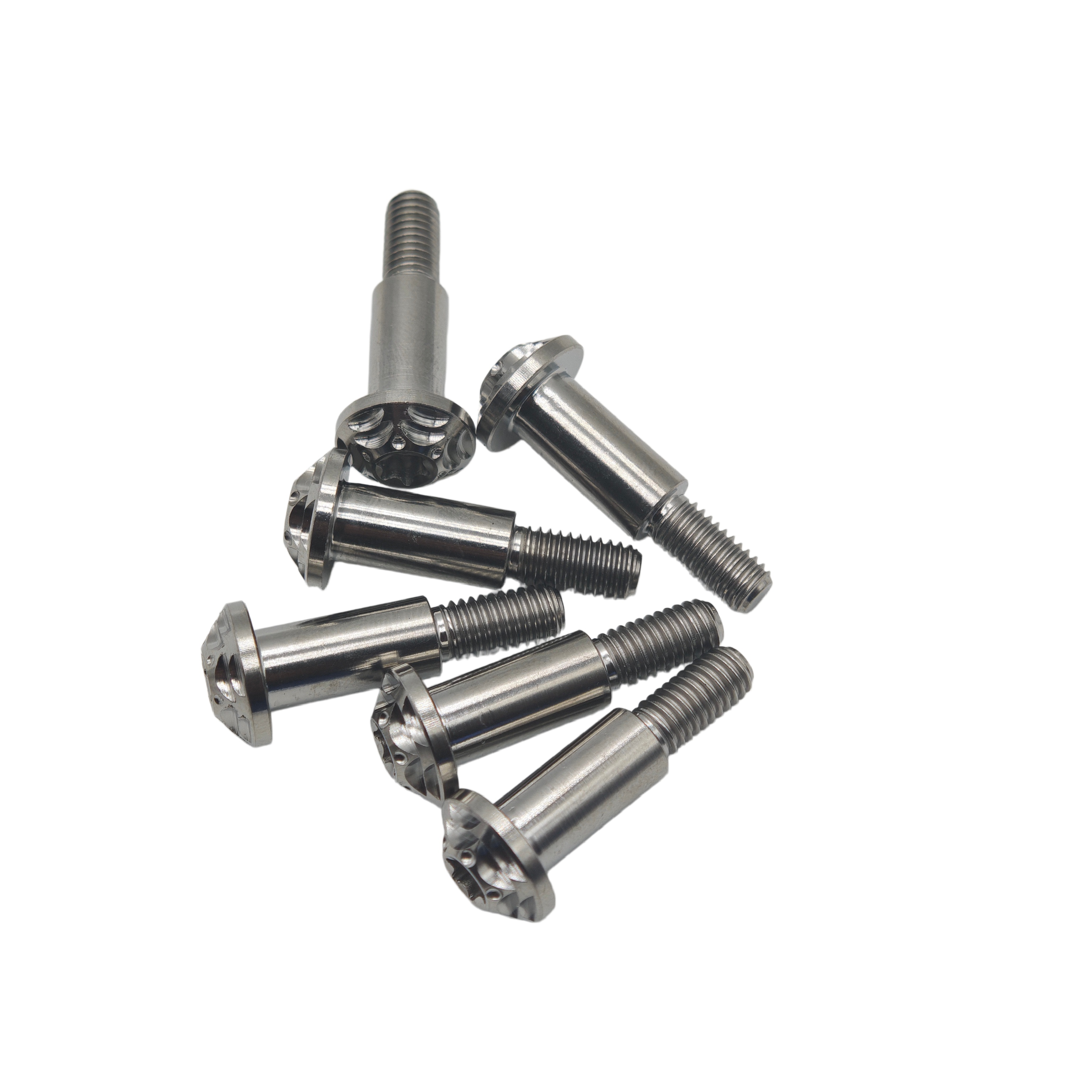
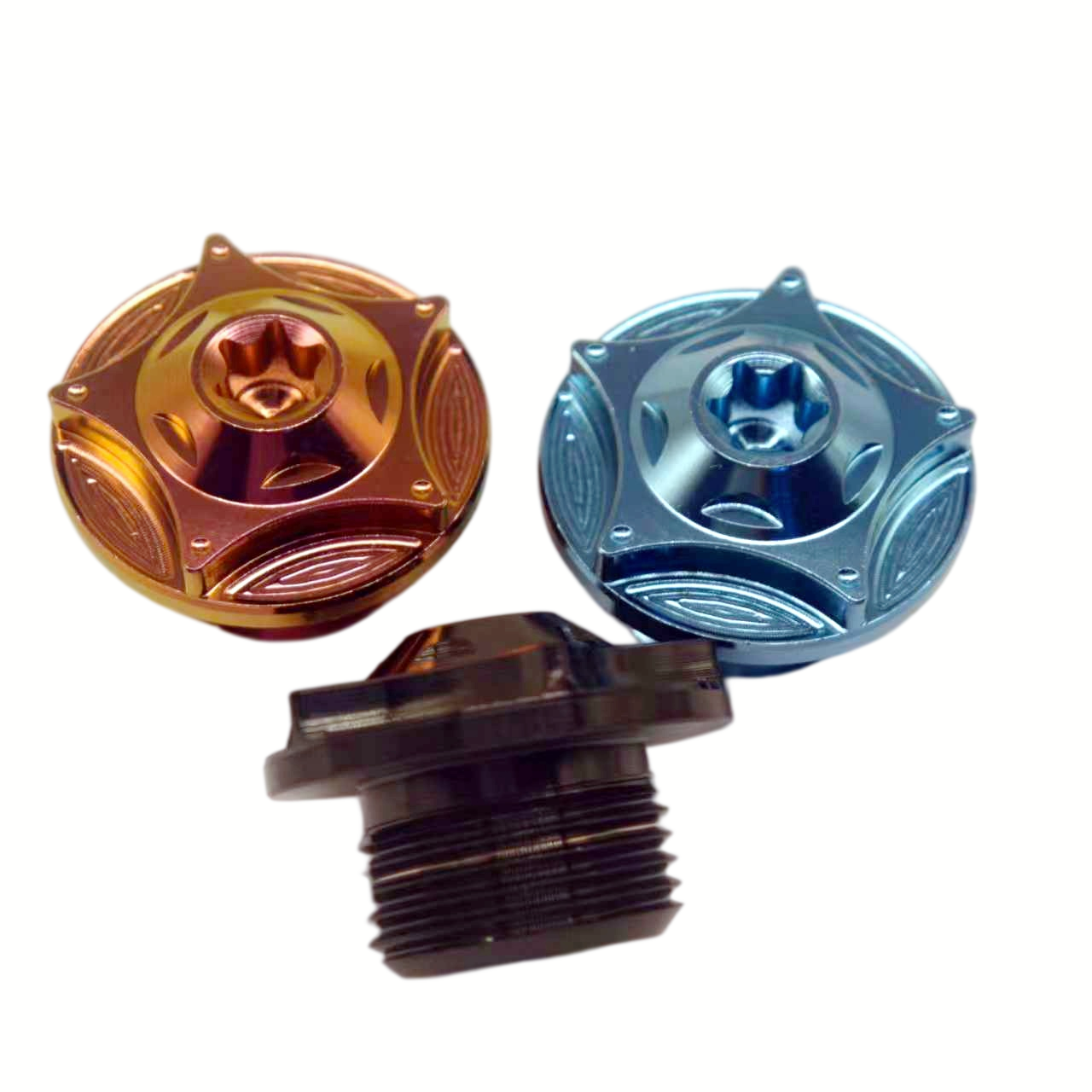
Beyond custom cut-to-length titanium threaded rods, our Baoji facility fabricates high-performance mating flange nuts, engineered shoulder screws, Torx-drive self-tapping hardware, and CNC-machined oil plugs in continuous metric and imperial thread profiles.
An authoritative analysis of tensile behavior, cryogenic stability, galvanic mitigation, and supply chain directness for DFW mechanical engineers and defense procurement specialists.
In high-reliability industrial corridors like the Dallas-Fort Worth (DFW) Metroplex, standard 304 or 316 austenitic stainless steel all-thread rods frequently encounter catastrophic failure mechanisms under combined mechanical stress, cyclic thermal variation, and aggressive atmospheric or chemical media. Titanium threaded rods, particularly those cold-formed and thread-rolled from medical and aerospace bar stock according to ASTM B348, ASTM F136, and AMS 4928 specifications, represent an engineered leap in tensile efficiency and structural durability.
Ti-6Al-4V Grade 5 offers a minimum ultimate tensile strength of 895 MPa (130 ksi) with a typical yield strength surpassing 828 MPa (120 ksi), comparable to Class 10.9 heat-treated alloy steel while presenting a mass density of merely 4.43 g/cm³. This yields a specific strength-to-weight ratio that exceeds chrome-moly fasteners by over 40%. Concurrently, commercially pure Grade 2 titanium (ASTM B348 Gr2) provides an unyielding defense against general pitting and localized crevice corrosion across brine, wet chlorine, nitric acid, and sour hydrocarbons (H2S), establishing an imperative component standard for chemical processing and specialized industrial equipment manufactured in Texas.
A critical engineering differentiator between standard industrial rod stock and our Baoji factory output is thread formation methodology. Cut threads disrupt the austenitic/alpha-beta grain structure along the root radii, initiating localized stress concentrations and micro-notches that act as primary sites for low-cycle fatigue initiation. Zunvo utilizes multi-axis hydraulic thread-rolling processes across continuous lengths up to 3 meters (10 feet), inducing severe compressive residual stresses along the thread root profile and resulting in a 25% to 30% enhancement in cyclic fatigue endurance under dynamic loading.
The selection of structural studs and tie-rods within precision installations requires balanced consideration of yield thresholds, elongation indices, and galvanic interaction factors. The following empirical dataset assists engineering teams in selecting suitable alloy grades for Dallas-region projects:
| Physical & Mechanical Metric | Grade 5 (Ti-6Al-4V) Titanium | Grade 2 (CP-Ti) Titanium | 316 Marine Stainless | ASTM A193 B7 Alloy Steel |
|---|---|---|---|---|
| Density (g/cm³) | 4.43 | 4.51 | 8.00 | 7.85 |
| Tensile Strength (MPa / ksi) | ≥ 895 / 130 | ≥ 345 / 50 | ≥ 515 / 75 | ≥ 860 / 125 |
| Yield Strength 0.2% Offset (MPa) | ≥ 828 | ≥ 275 | ≥ 205 | ≥ 720 |
| Modulus of Elasticity (GPa) | 114 | 103 | 193 | 205 |
| Thermal Conductivity (W/m·K) | 6.7 | 16.4 | 16.3 | 46.6 |
| Magnetic Susceptibility | Completely Non-Magnetic | Completely Non-Magnetic | Slightly Paramagnetic (Cold Worked) | Highly Ferromagnetic |
| Chloride Pitting Resistance (PREN) | Immune under 150°C | Immune under 120°C | 23–25 (Pitting Vulnerable) | Negligible (Requires Plating) |
From the aerospace assembly corridors of Fort Worth to the mega data center clusters of Ellis and Collin counties, our titanium threaded rods solve demanding structural challenges.
Home to tier-one defense aviation manufacturers in Fort Worth and Grand Prairie, regional defense subcontractors source AMS 4928 Ti-6Al-4V continuous threaded rod for internal airframe brackets, payload mounting fixtures, and radar antenna radome housings. The zero magnetic signature prevents RF distortion in precision avionics, while the 44% mass reduction enhances payload capabilities.
With major hyperscale data centers rapidly expanding throughout Garland, Richardson, and Midlothian, facilities are migrating to high-density two-phase liquid immersion and closed-loop direct-to-chip dielectric cooling. Our Grade 2 and Grade 5 threaded rods serve as structural tie-bars across dielectric immersion tanks, resisting synthetic fluid degradation and galvanic pitting without ionic contamination.
Dallas-based engineering teams designing measurement-while-drilling (MWD) downhole tools and flow loop manifolds deploy titanium all-thread studs in hostile bottomhole environments. Titanium Grade 5 preserves yield integrity under combined high hydrostatic pressure, hydrogen sulfide (H2S), carbon dioxide (CO2), and high-salinity formation waters where alloy steel studs fail from sulfide stress cracking.
Along the Telecom Corridor and Richardson semiconductor fabrication plants, wafer-handling fixtures, vacuum chambers, and chemical etch hoods require non-magnetic fasteners that generate zero outgassing. Electropolished ASTM B348 Grade 2 titanium threaded rods ensure zero particle contamination and withstand aggressive hydrochloric, hydrofluoric, and sulfuric wet-bench chemistries.
Within North Texas racing syndicates and specialized automotive fabrication centers near Texas Motor Speedway, titanium threaded studding, flange nuts, and shoulder hardware secure turbocharger exhaust flanges, independent suspension links, and unsprung brake assemblies, shedding rotating and sprung mass while resisting 400°C exhaust gas temperatures without oxidation.
Architectural engineering firms throughout the Dallas Arts District utilize Grade 5 titanium tie-rods for prestressed structural glazing, structural curtain walls, and outdoor civic monument anchorages. The self-healing stable titanium dioxide (TiO2) film eliminates rust staining on limestone facades under humid North Texas thermal cycles.
Analyzing the economic and logistical forces transforming how Texas OEM buyers navigate distributor markups, lead times, and traceability requirements.
Traditionally, Dallas engineering firms procured exotic titanium hardware through multi-tiered US master distributors, incurring markups between 60% and 150%. The increasing demand for volume projects (such as large data center builds) has pushed procurement managers to establish direct relationships with certified Baoji manufacturers, securing competitive volume lot pricing with verified origin documentation.
DFW International Airport operates as the seventh-largest cargo gateway in North America. Leveraging direct air freight connections, custom threaded rod prototypes and production shipments dispatching from our facility reach DFW customs processing within 48 to 72 hours, enabling rapid turnaround for high-priority production runs.
Procurement teams throughout North Texas now strictly enforce digital traceability. Every batch of Zunvo titanium threaded rods is supplied with digital mill test certificates (EN 10204 3.1) linked directly to the melt heat number. Chemical composition (via ICP-OES) and mechanical tension tests are confirmed before cargo leaves China's Titanium Valley.
Founded in 2015 in Baoji, China's Titanium Valley, Zunvo bridges deep metallurgical manufacturing expertise with seamless global export capabilities.
Direct proximity to top-tier sponge titanium smelters gives us consistent access to certified vacuum arc remelted (VAR) titanium billet, guaranteeing no scrap contamination or void defects.
Equipped with multi-axis Swiss CNC automatic screw machines and high-tonnage thread rollers capable of tolerances down to ±0.005 mm and thread classes 6g, 4h, and Class 3A.
Every production batch undergoes full optical sorting, thread go/no-go ring gage verification, tensile proof checks, and ultrasonic testing on critical aerospace diameters.
Full-spectrum customisation including cut-to-length studs, chamfered ends, slotted or broached hex drive ends, physical vapor deposition (PVD) black, and multi-color anodizing.
Practical technical answers addressing thread galling, torque reduction ratios, custom duty processes, and lead times to the North Texas market.
