High-Performance Titanium Fastener Selection
Engineered from Grade 5 Ti-6Al-4V alloy, heat-treated with hot-forged heads and precision CNC rolled threads for high-load automotive and motorsport assemblies in Niš.
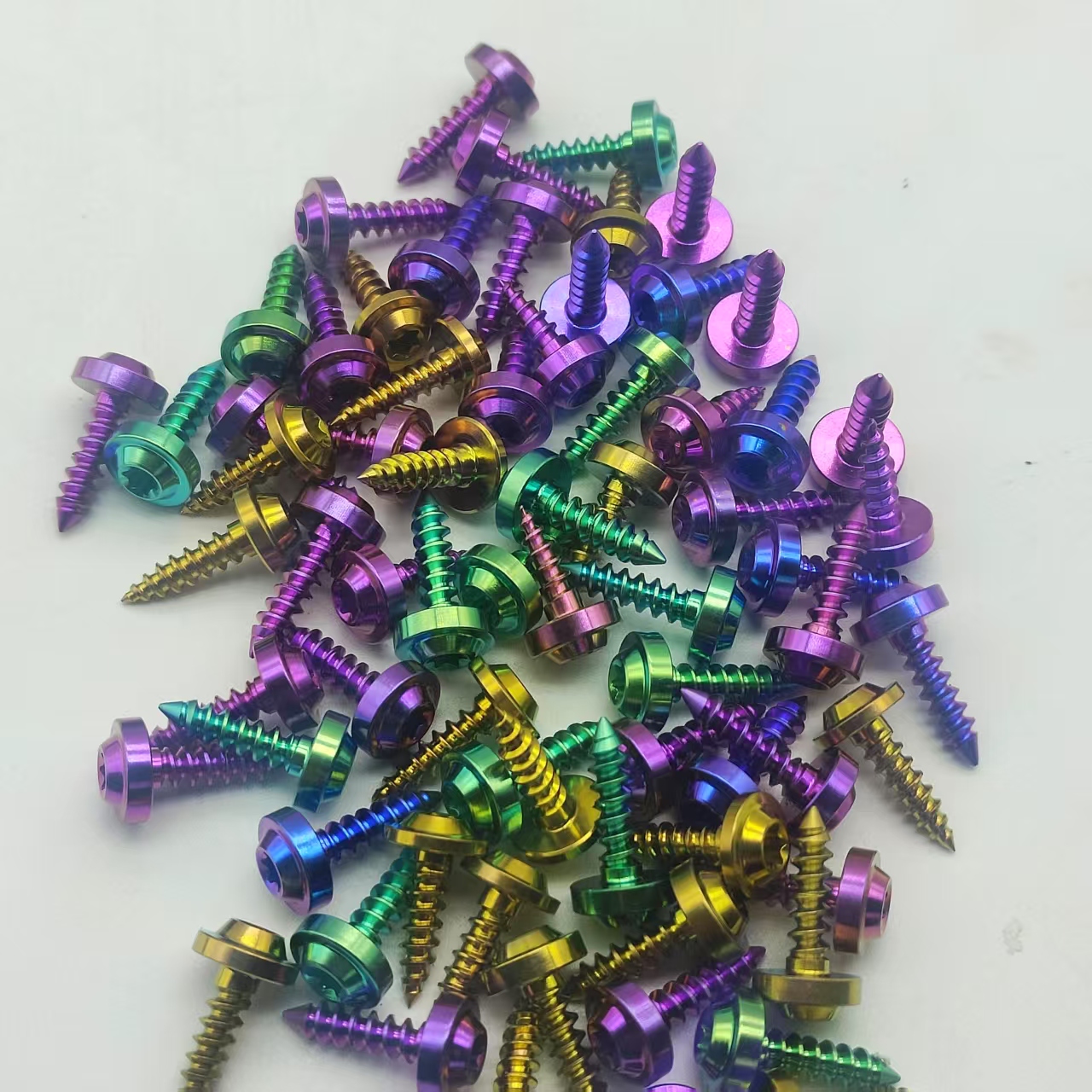
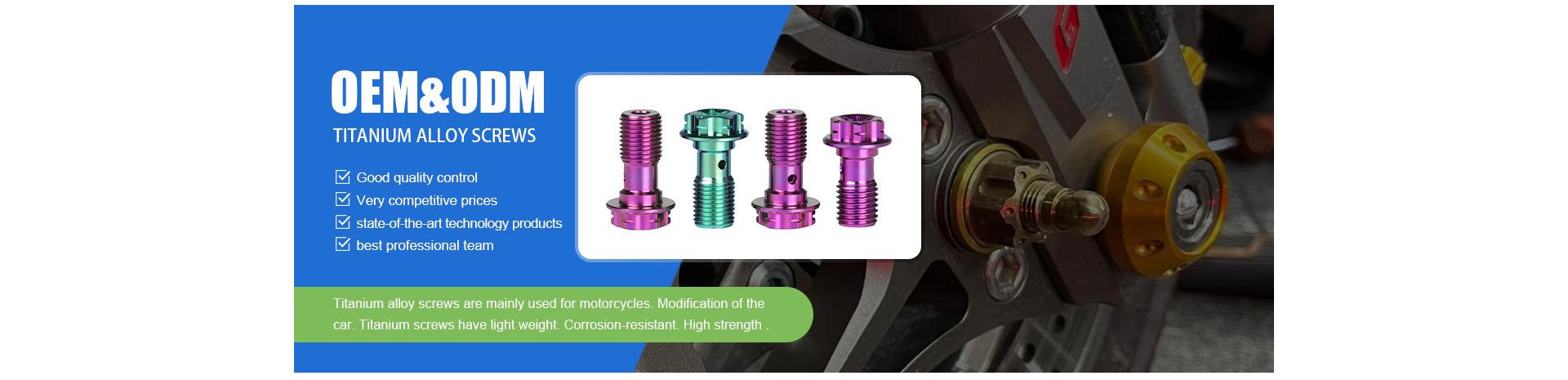
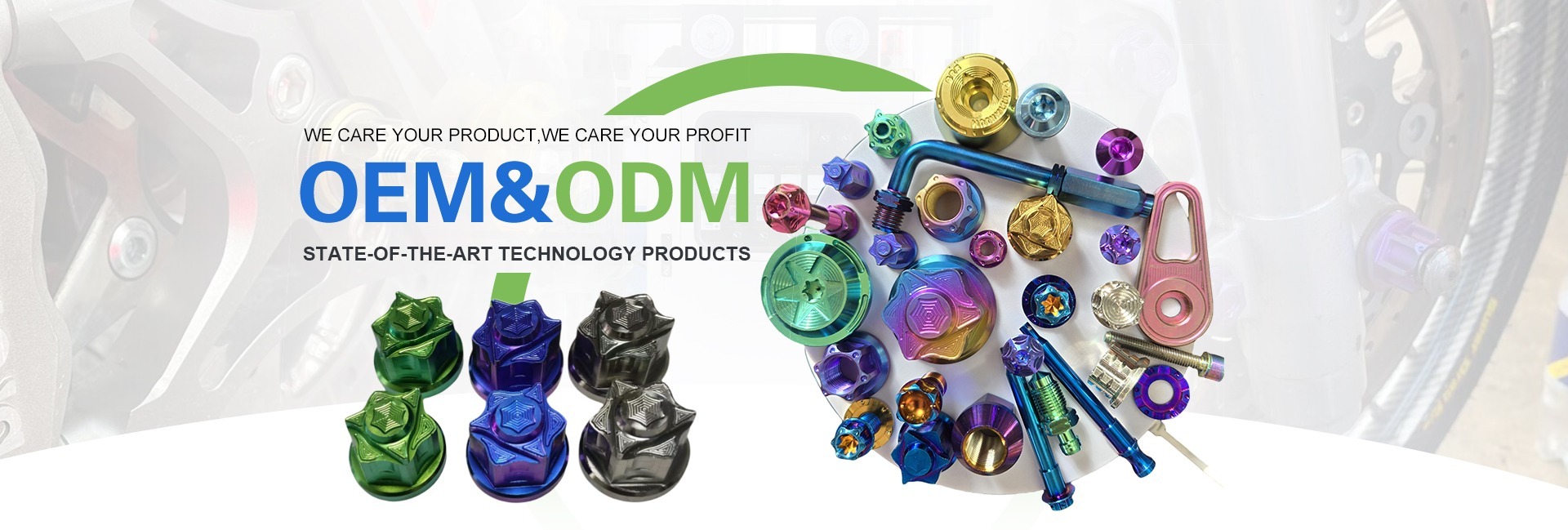
High Strength M4-M5 Titanium Alloy Torx Head Self-Tapping Screws Hex Washer Head Anodizing/PVD Finish
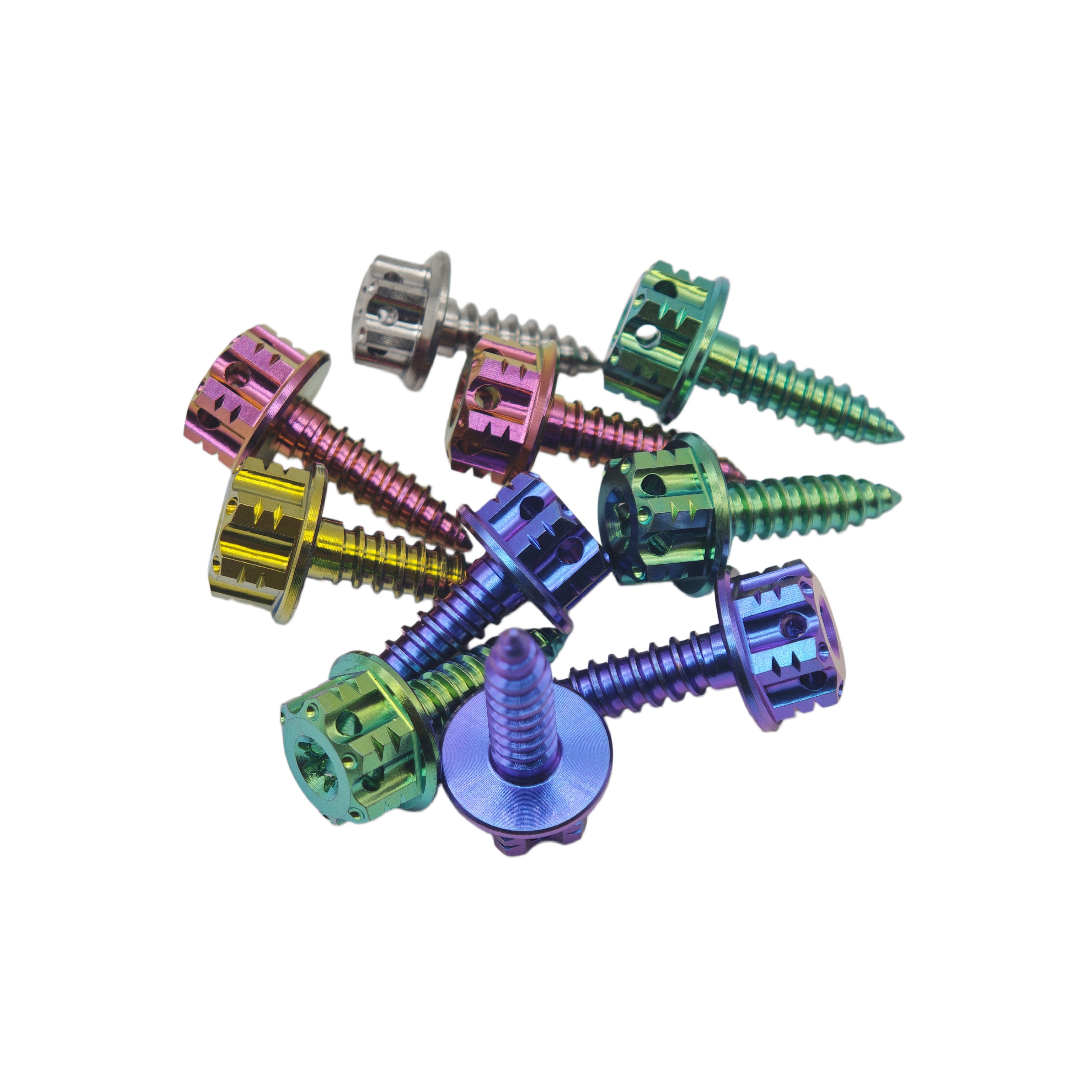
Factory Direct Sales of Metric M5*15 Grade 5 Titanium Alloy Flange Screws with Right Hand Thread for Mining
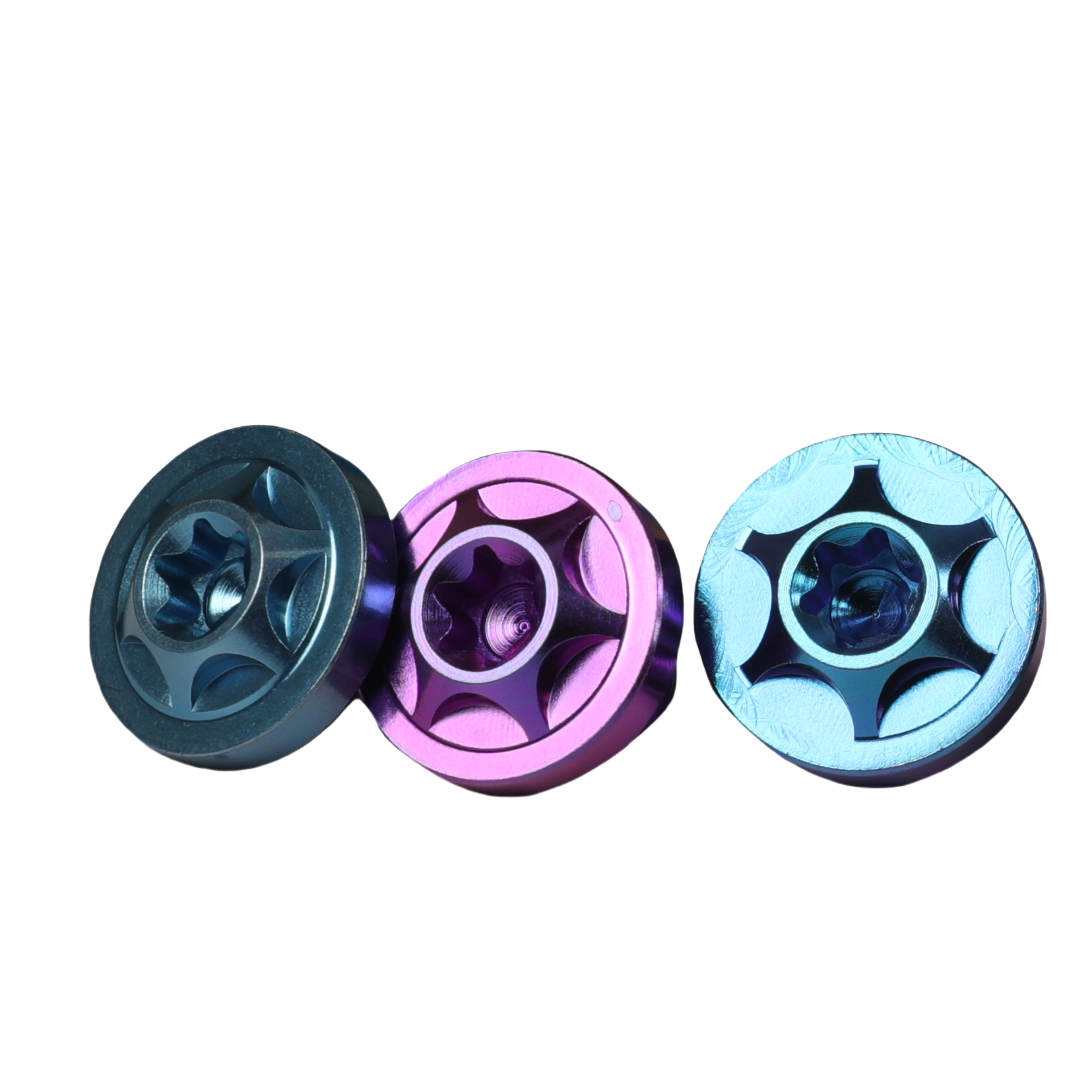
Titanium Alloy Disc Brake Bolts with Torx Head Flange Screws for Bike & Motorcycle Ti Bolts
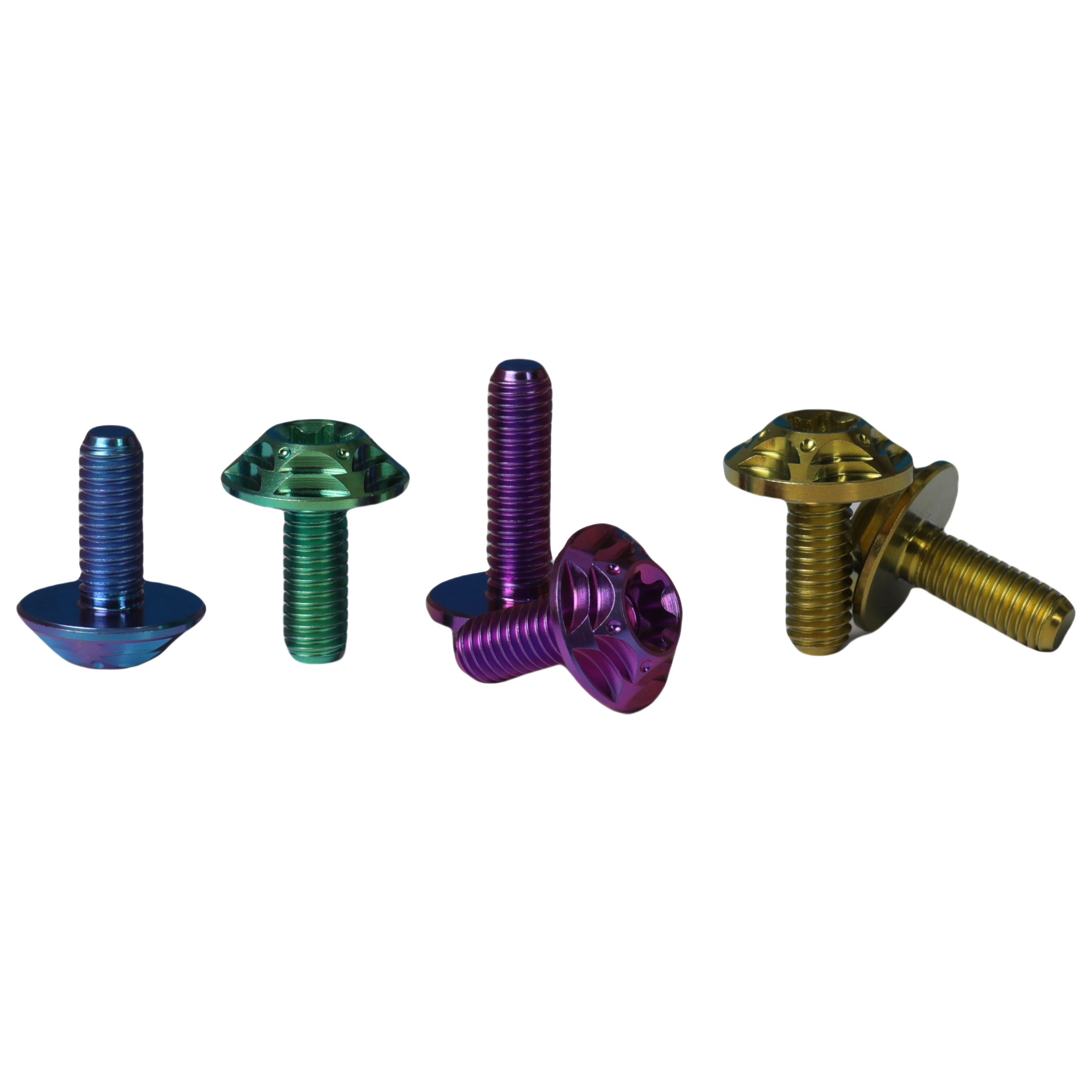
Titanium Alloy CNC Disc Brake Disc Head Bolts Torx Head DIN Thread Anodized/PVD Finish Class 10.9/12.9 Grade
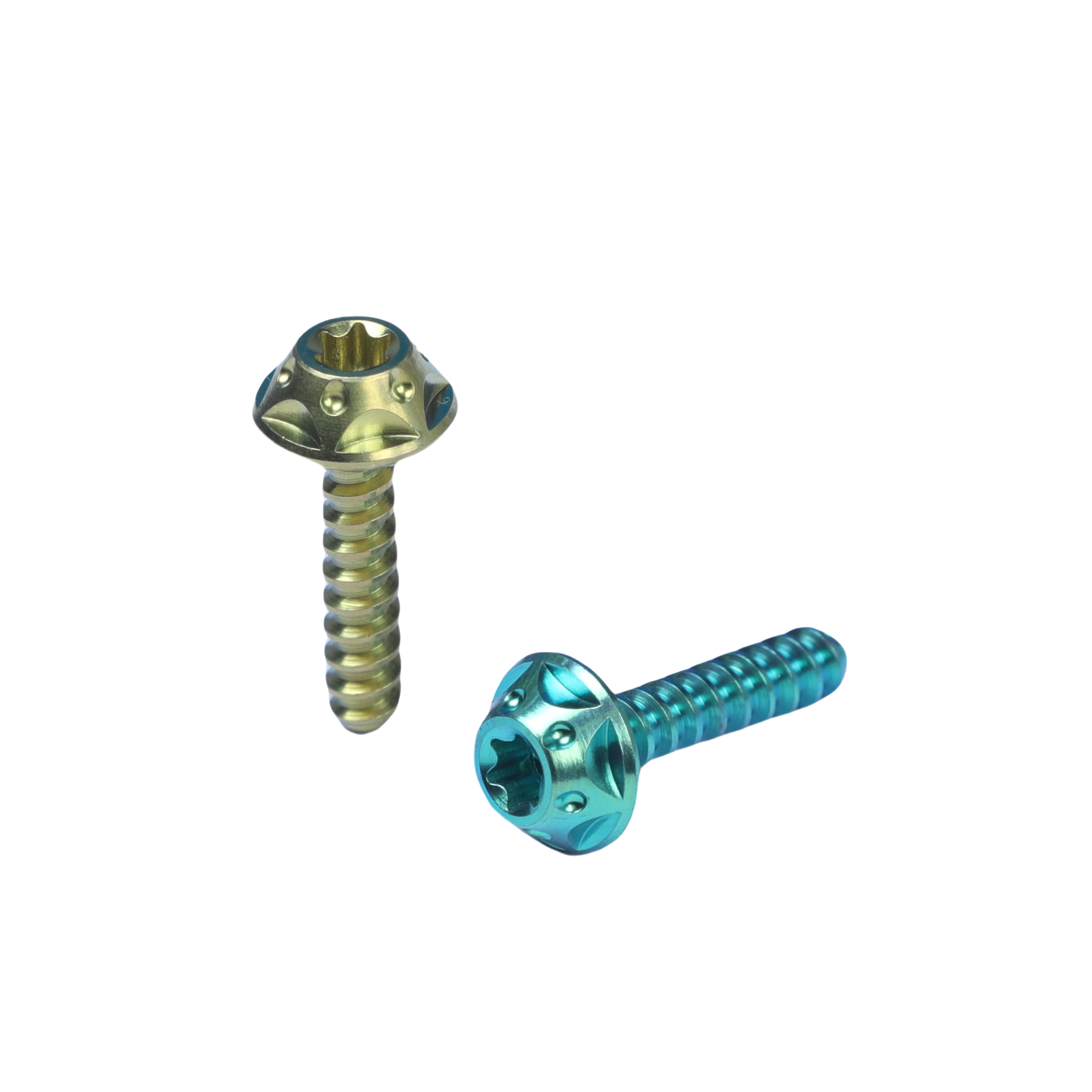
GR5 Titanium M5 CNC Flower Head Self-Tapping Screws Factory Direct Grade 5 Fastener Upgrade
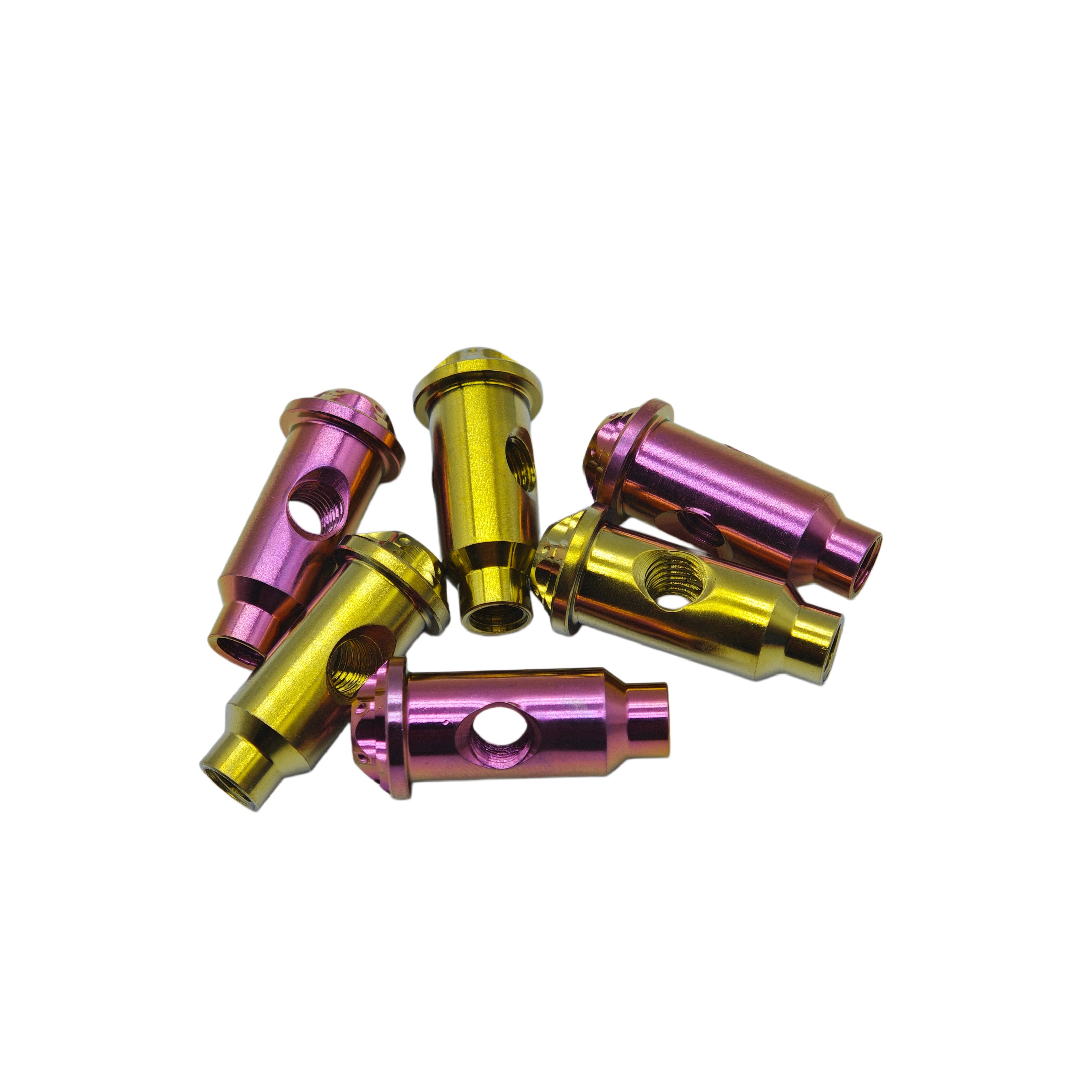
High Quality Gr5 Titanium Cross Dowel Nuts Titanium Adjusters' Knobs Bolt Assemblies
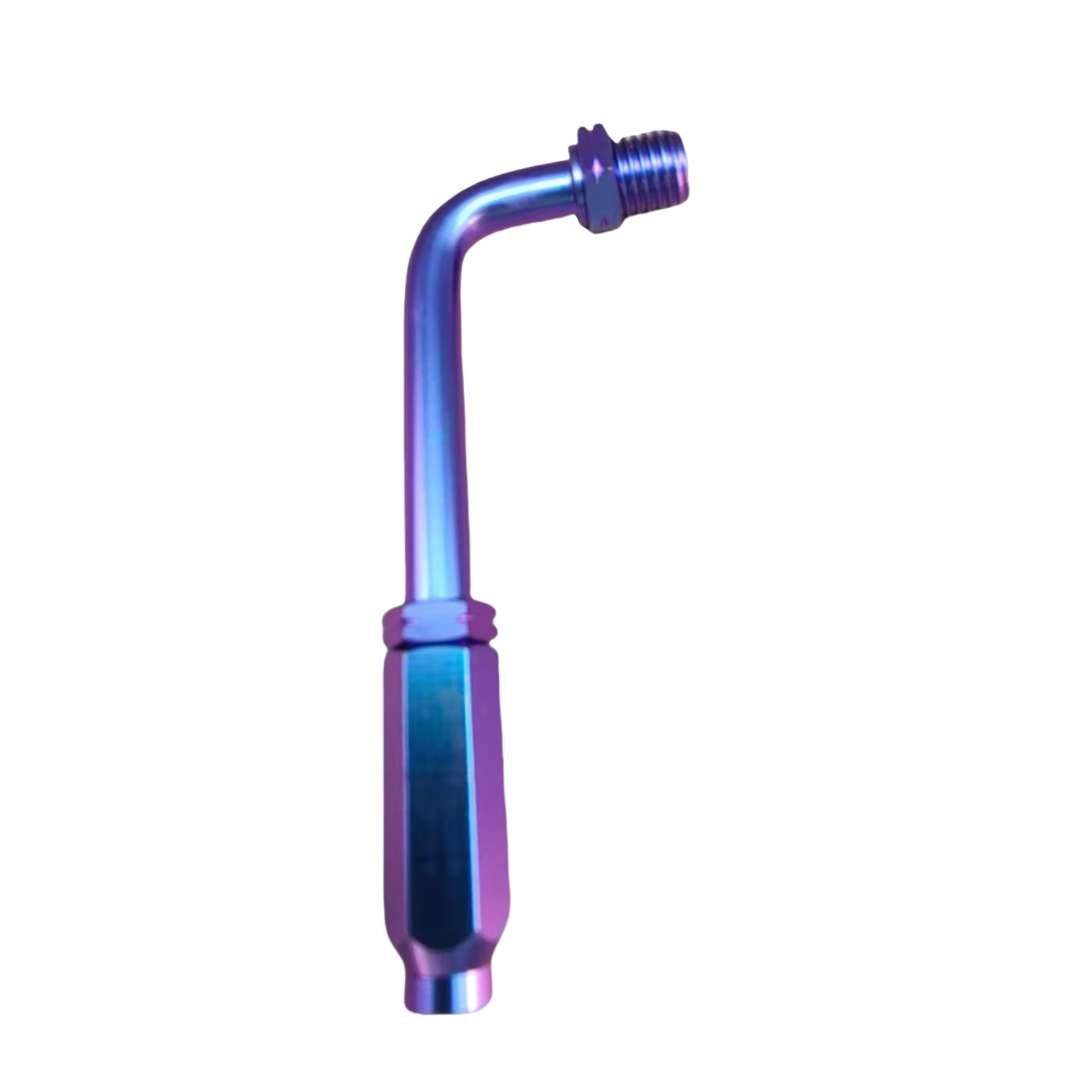
Custom CNC Gr5 Flat Head Titanium Alloy Motorcycle Throttle Line Colorful Refueling Cable Fittings Titanium Valve Parts
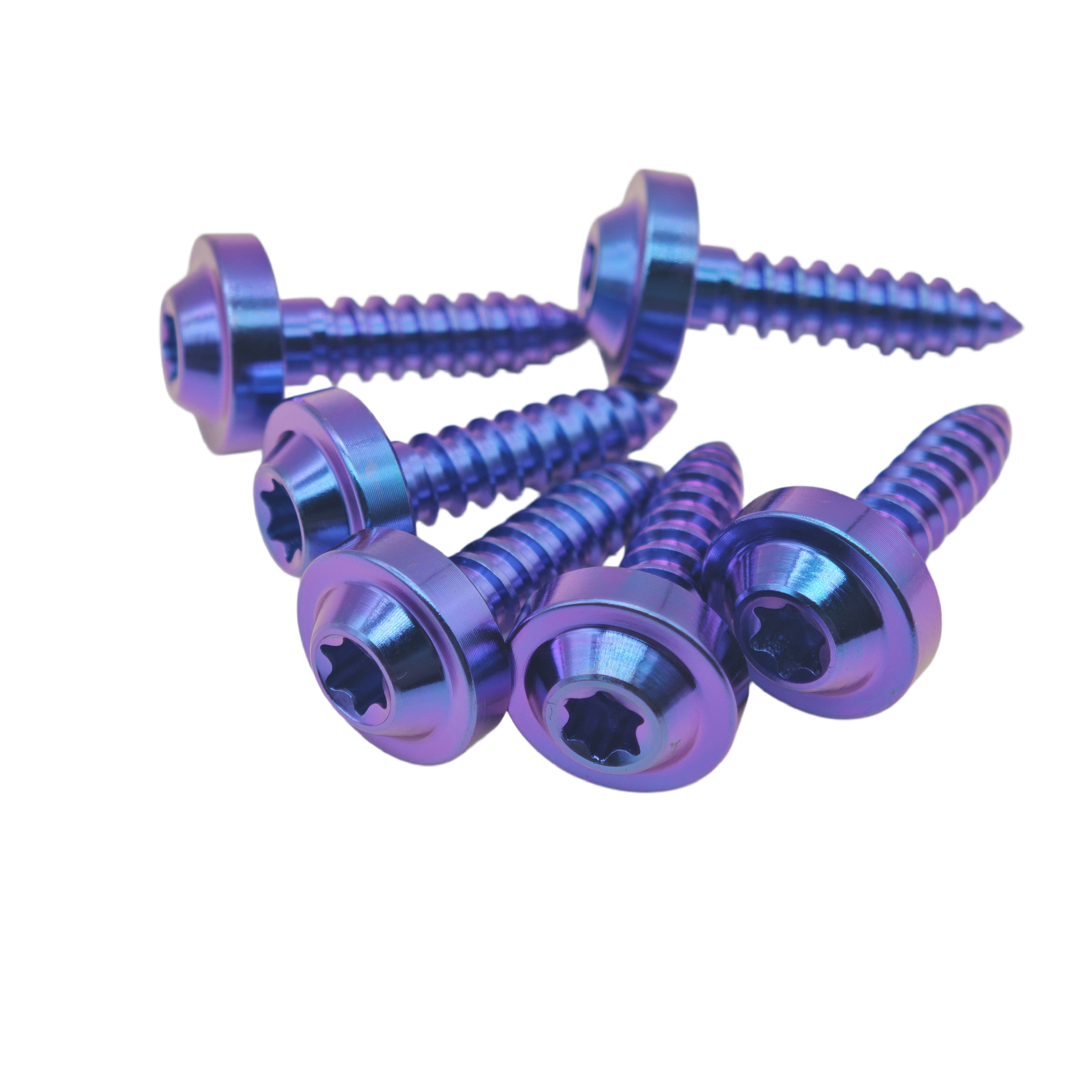
GR5 Anodized Titanium Torx Head Standard Thread Self-Tapping M6 Screw for Motorcycles and Custom Tuners
Aerospace-Grade Ti-6Al-4V Wheel Stud Engineering for Balkan Industrial Demands
A rigorous metallurgical comparison designed for mechanical engineers, fleet managers, and tier-tier component procurement officers evaluating fastener fatigue, rotational inertia, and shear limits.
Structural Integrity & Rotational Mass Mitigation
In high-performance automotive platforms and demanding industrial setups, wheel studs represent one of the most critical safety links in the drivetrain assembly. Standard grade 8.8, 10.9, or 12.9 alloy steel wheel fasteners deliver tensile reliability but introduce substantial rotational unsprung mass. In applications operating through the southern Serbian corridor around Niš (Nišava District), where dynamic terrain and heavy freight logistics converge along the E75 and E80 transit routes, every gram of unsprung rotational weight directly translates to increased suspension wear, slower acceleration response, and elevated fuel consumption.
Our manufacturing protocol harnesses aerospace-certified Grade 5 Titanium (Ti-6Al-4V / ASTM B348 / AMS 4928), transforming raw bar stock into hot-forged, precision-machined wheel studs with rolled external threads. By maintaining a high yield-to-density ratio, our titanium studs deliver a 44% reduction in fastener weight while outperforming class 10.9 steel under cyclic shock and lateral cornering forces.
Unlike machined cut threads which sever the internal grain flow of the titanium alloy, our studs feature continuous rolled threads (threads formed through high-pressure cold displacement dies). This microstructural grain compaction ensures zero micro-fractures, drastically boosting fatigue limits and preventing catastrophic thread shearing during repeated torque cycles.
| Mechanical & Physical Metric | Gr5 Ti-6Al-4V (Our Spec) | Class 10.9 Alloy Steel | Class 12.9 Alloy Steel | 7075-T6 Billet Aluminum |
|---|---|---|---|---|
| Density (g/cm³) | 4.43 (Optimized Weight) | 7.85 (Heavy) | 7.85 (Heavy) | 2.81 (Extremely Light) |
| Ultimate Tensile Strength (MPa) | ≥ 895 – 1,050 | 1,000 – 1,040 | 1,220 | 570 (Insufficient for Studs) |
| Yield Strength 0.2% Offset (MPa) | ≥ 828 | 900 | 1,100 | 505 |
| Corrosion Resistance (CaCl₂ / NaCl Road Salts) | Immune (Passive TiO₂ Film) | Poor (Prone to Rust) | Poor (Galvanic Hydrogen Embrittlement) | Moderate (Pitting under Salt) |
| Operating Temperature Window (°C) | -196°C to +450°C | -40°C to +250°C | -40°C to +250°C | -20°C to +120°C |
| Thread Rolling Grain Flow | Continuous Unbroken Grain | Varies by Supplier | High Fatigue Notch Sensitivity | Prone to Stripping |
Tailored Fastening Applications in Niš & Southern Serbia
Niš serves as the epicenter of southern Serbian industrial production, mechanical innovation, and crossroads logistics. Discover where our titanium hardware delivers transformative ROI across regional operations.
Tier-1 & Tier-2 Automotive Assembly
With the rapid expansion of international automotive component manufacturers in the industrial zones of Niš (including industrial developments along Bulevar 12. Februar and the Niš Free Zone), engineers require top-tier mechanical integrity for steering hubs, suspension uprights, and brake rotor attachments.
- Metric M12x1.25, M12x1.5, M14x1.25, and M14x1.5 thread specifications.
- High vibration resistance under dynamic cyclic shear loads.
- Seamless compliance with ISO 9001 and VDA guidelines.
Motorsport & Custom Chassis Tuning
The passionate auto racing and performance tuning community in Southern Serbia—including teams participating in local hill climb championships, rally events, and circuit series across the Balkan region—demands maximum unsprung weight reduction.
- Reduction of wheel hub rotational inertia for rapid deceleration.
- High thermal dissipation away from carbon-ceramic or slotted steel rotors.
- Burnt titanium, PVD black, and gold anodized cosmetic finishes.
De-Icing Chemical & Salt Slush Defense
Serbian winters along the mountain passes connecting Niš to Sofia (Bulgaria) and Skopje (North Macedonia) involve aggressive road salting with calcium chloride and rock salts. Standard steel studs corrode and seize; our titanium forms a regenerative protective oxide barrier.
- Absolute zero rust index across 1,000+ hours of continuous salt spray.
- Prevents wheel hub seizing, eliminating broken studs during tire swaps.
- Maintenance-free operational longevity across commercial fleets.
Southern Serbia Automotive Transformation: The Titanium Value Curve
How shifting supply chains across the Western Balkans are accelerating the adoption of advanced titanium alloys in commercial and technical manufacturing.
Nearshoring, Corridor X Strategic Transit, and EV Transition
The Niš industrial zone is uniquely positioned at the intersection of Pan-European Corridor X and Corridor VIII, cementing its status as an invaluable logistics and assembly gateway to Central and Southeastern Europe. Over the past five years, the Serbian manufacturing industry has transitioned from low-value heavy metal forging to high-precision mechatronics, electric vehicle (EV) battery framing, and lightweight powertrain component production.
In electric mobility, curb weight directly dictates battery range. Electric vehicle conversions and electric bus systems operating throughout Serbia are replacing traditional steel chassis hardware with Gr5 Titanium wheel studs, axle nuts, and brake disc hardware. Because titanium possesses non-magnetic characteristics, it eliminates electromagnetic interference near high-output wheel-hub motors and regenerative braking sensors.
By pairing direct Chinese primary mill access in Baoji with expedited customs transit through European express freight networks, purchasers in Niš circumvent inflated European distributor margins, securing factory-direct pricing with full mill test certification (EN 10204 3.1).
Precision Factory Direct from Baoji — China's Titanium Valley
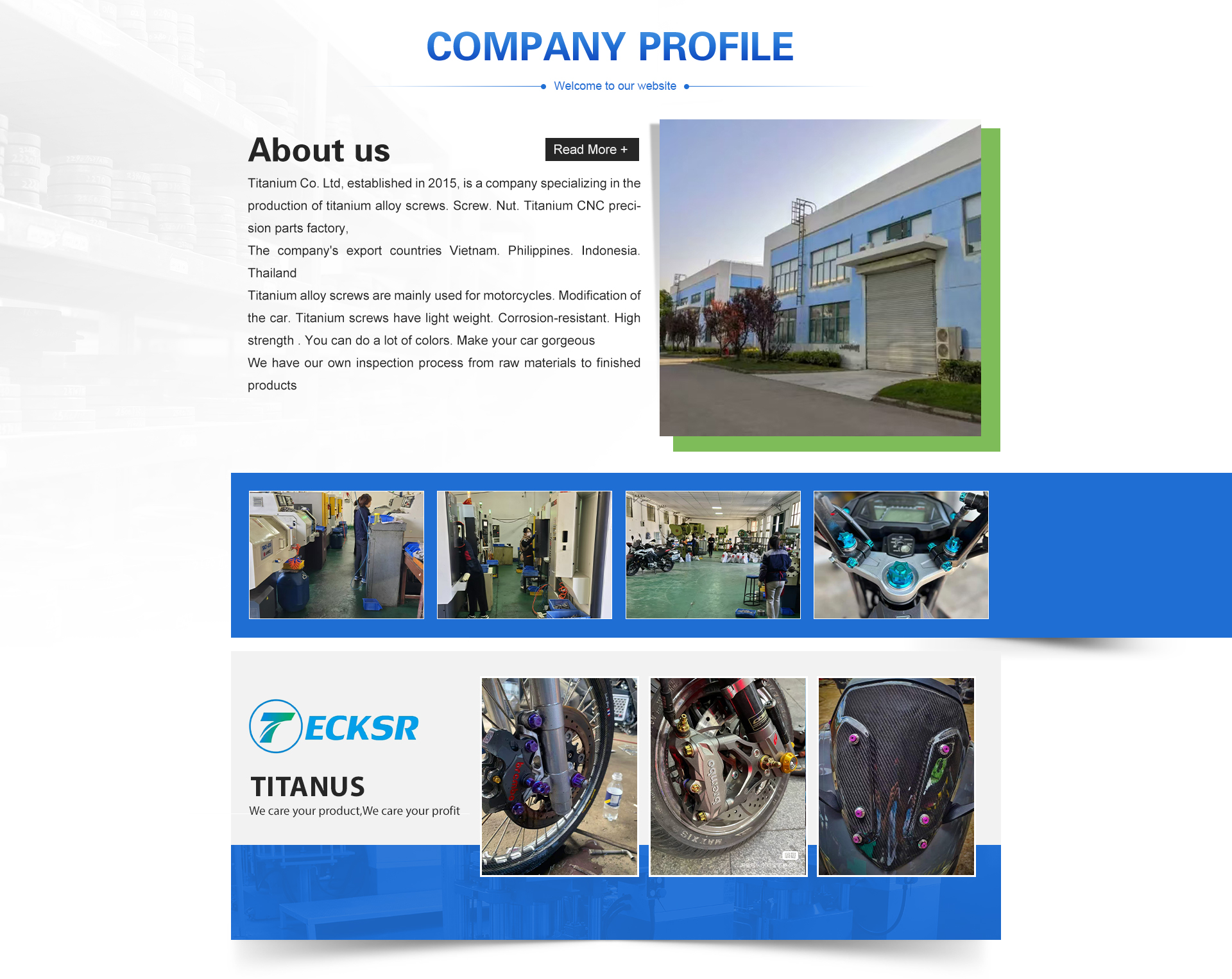
Established in 2015, Zunvo Titanium Products Co., Ltd. combines sovereign mill material traceability, multi-axis CNC Swiss turning centers, and rigorous quality inspection protocols.
100% Raw Material Traceability
Located adjacent to China's primary titanium smelting operations in Baoji, we secure virgin Ti-6Al-4V Grade 5 sponge and bar stock. Every single production batch is tagged with its origin heat number and verified with complete spectroscopic and mechanical test documentation.
Hot Forging + Cold Thread Rolling
Unlike workshops that turn studs entirely from undersized bar on simple lathes, our stud heads are hot-headed under controlled induction to align molecular grain structure, followed by precision cold thread rolling to DIN 13 and ISO 965-2 6g thread classes.
Full In-House Quality Assurance
Every lot undergoes comprehensive coordinate measuring machine (CMM) dimensional verification, optical profile projection, thread ring go/no-go gauging, and Rockwell C hardness testing to guarantee true zero-defect deliveries to Serbian assembly floors.

Frequently Asked Questions by Industrial Buyers in Niš
Practical technical, logistics, and material compliance answers to streamline procurement for Serbian automotive, aftermarket, and engineering projects.
How do Titanium Grade 5 wheel studs torque compare to steel studs?
Ti-6Al-4V Grade 5 has a lower modulus of elasticity (~114 GPa) compared to structural steel (~200 GPa). When torquing titanium wheel studs on cast iron or aluminum hubs, use a quality anti-seize lubricant (such as molybdenum disulfide or copper paste) and tighten to 85%–90% of the factory OEM torque specification to achieve the identical bolt clamping pre-load without thread galling.
What documentation accompanies exports to Serbia and EU-adjacent markets?
All commercial exports are provided with complete mill test certificates (EN 10204 Type 3.1) stating chemical composition (Ti, Al, V, Fe, C, N, H, O) and mechanical properties (tensile, yield, elongation, reduction of area). We also provide commercial invoices, packing lists, HS code classifications (7318 or 8108 series), and Certificates of Origin for customs clearance in Niš.
Can you manufacture custom knurl diameters and extended stud lengths?
Yes. We regularly supply custom CNC-machined wheel conversion studs with specified press-in knurl diameters (e.g., 12.3mm, 13.0mm, 14.3mm, 15.7mm) and overall lengths from 45mm to 90mm for track-width spacers. Custom CAD designs or physical samples can be translated into production tooling with samples ready in as few as 3 days.
How does shipping and transit work from Baoji to the Nišava District?
For rapid prototypes and urgent racing hardware, we utilize DHL, FedEx, and UPS door-to-door express, with typical delivery to Niš within 4 to 7 business days. For volume manufacturing and tier assembly orders, consolidated air freight to Belgrade Nikola Tesla Airport (BEG) or multimodal sea freight through Port of Bar or Port of Thessaloniki is standard.
Will titanium wheel studs gall or seize into aluminum wheel rims?
Titanium has natural galvanic compatibility with aluminum alloys that is far superior to carbon steel. While bare steel and aluminum create aggressive galvanic reactions leading to frozen lug nuts, titanium forms an inert oxide layer. When combined with our micro-finish PVD coatings (DLC black or titanium nitride gold), friction is minimized and galling is completely avoided.
What are the minimum order quantities (MOQ) for catalog vs. custom studs?
For standard thread sizes (such as M12x1.5 and M14x1.25) in stock, our MOQ starts at just 100 to 200 pieces. For non-standard custom drawings requiring specialized knurls, unique drive sockets, or client-branded head stampings, our minimum pilot batch starts from 100 units to support validation testing before full-scale production runs.
Connect with Our Engineering & Export Team for Niš Deliveries
Whether you require a baseline quote for standard metric wheel studs, custom drawing validation, or an EN 10204 3.1 material certificate review, our technical sales engineers respond within 7 hours on average.
