Featured High-Performance Titanium Hardware
Direct-from-factory Grade 5 (Ti-6Al-4V) components engineered to resist harsh North Sea marine brine, cyclical mechanical fatigue, and aggressive chemical processing media.
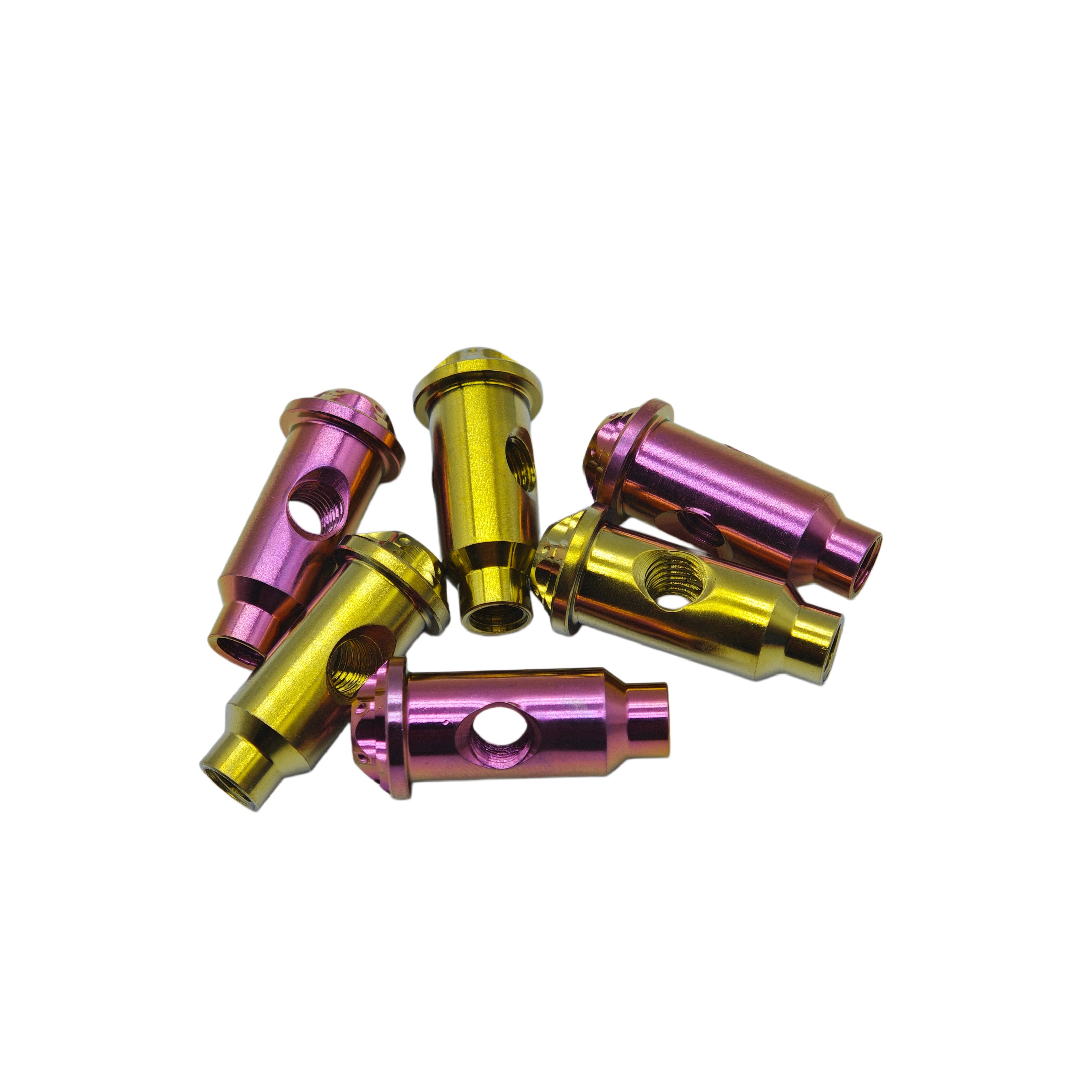
High Quality Gr5 Titanium Cross Dowel Nuts Titanium Adjusters' Knobs Bolt
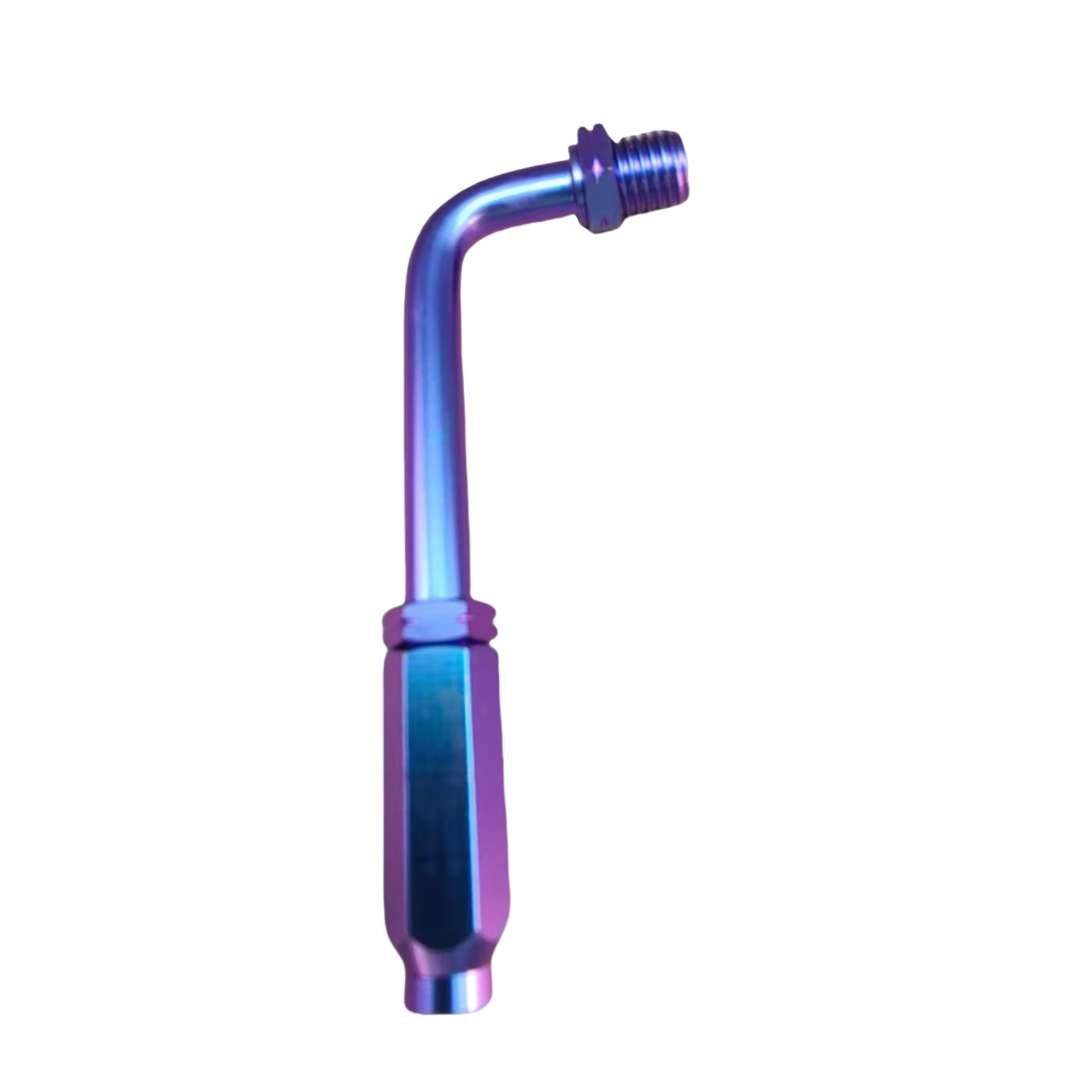
Custom CNC Gr5 Flat Head Titanium Alloy Motorcycle Throttle Cable Fittings Parts
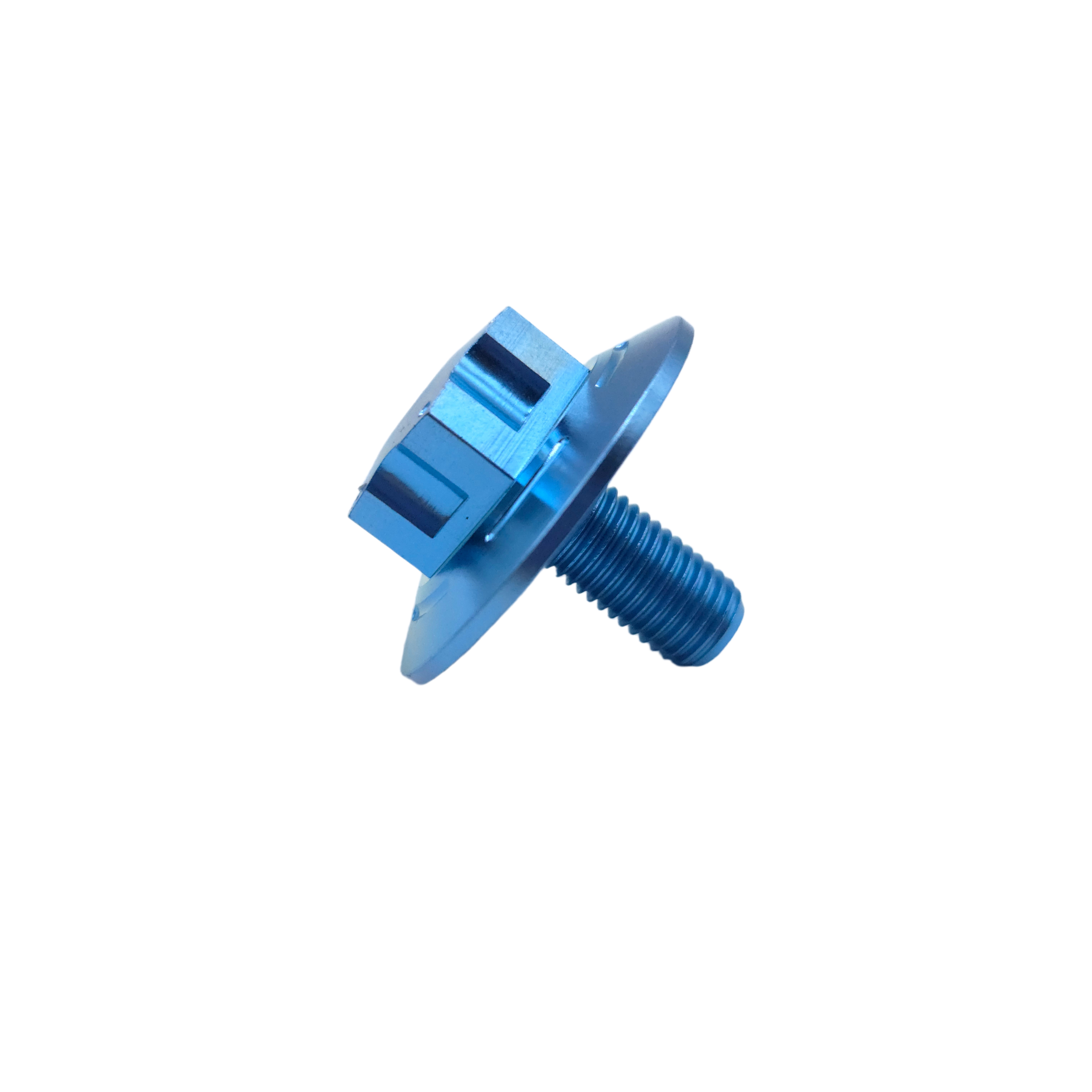
Factory Supply GR5 Titanium Hex Flange Head Bolt M10X20 DIN Thread Anodized
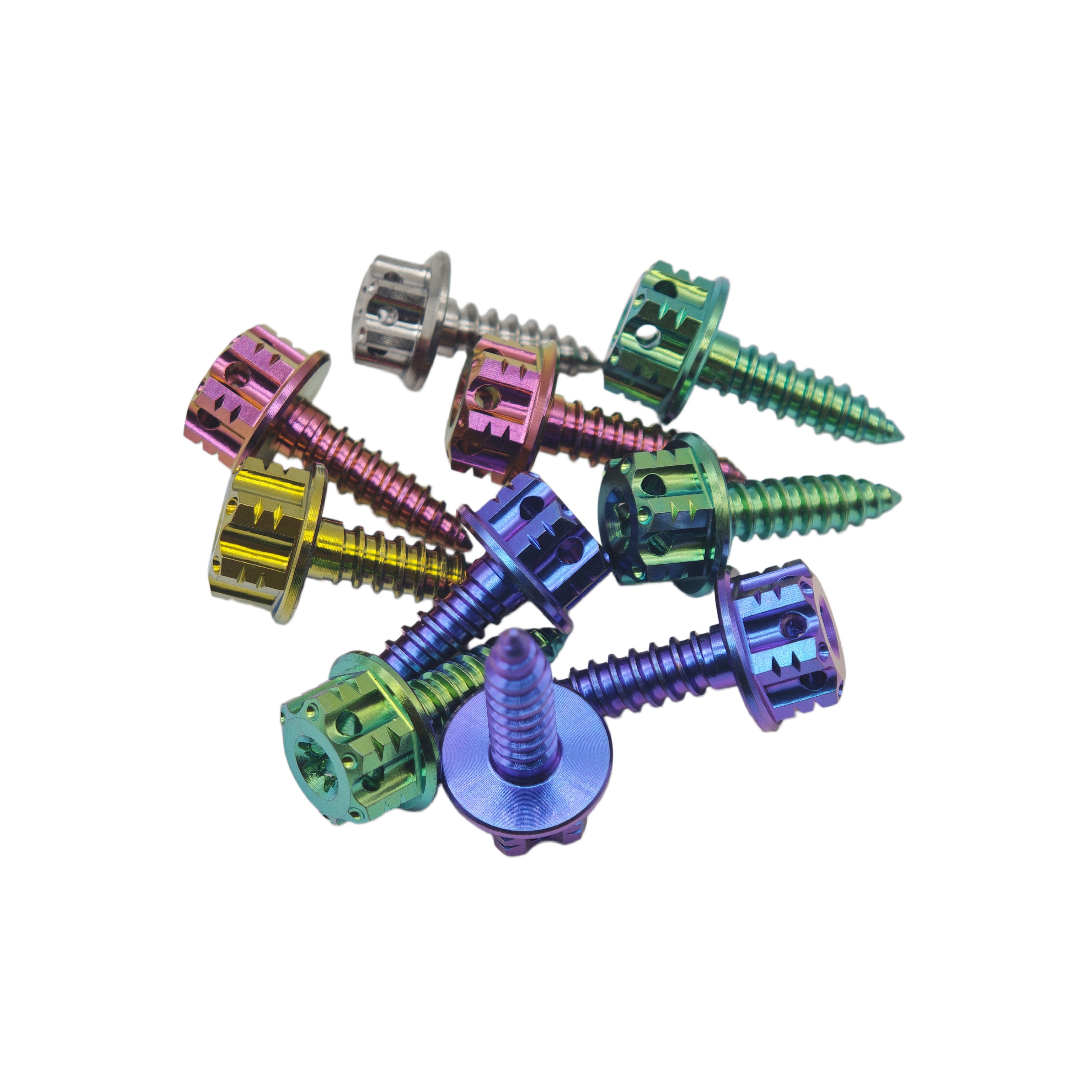
Metric M5*15 Grade 5 Titanium Alloy Flange Screws Right Hand Thread for Mining
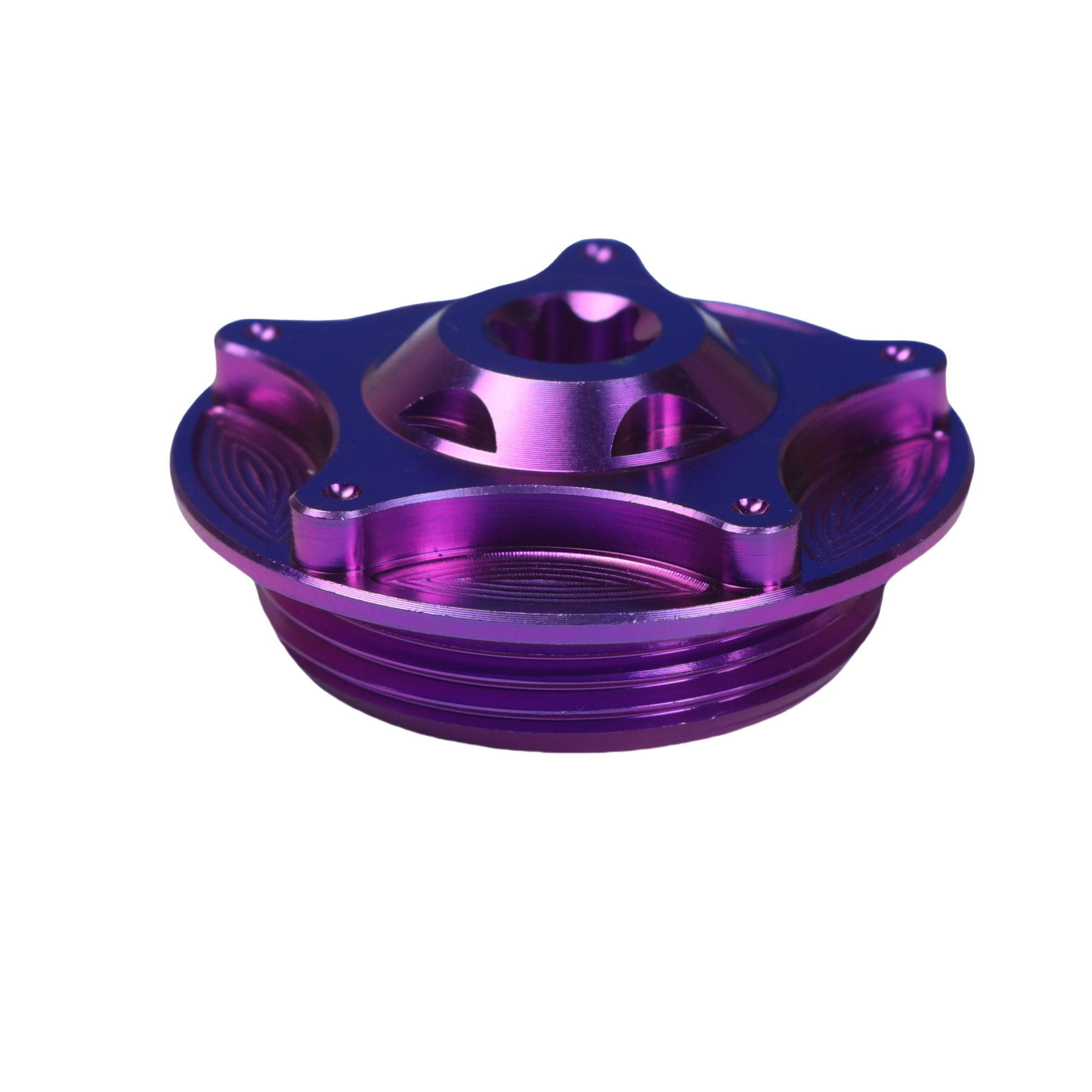
Wholesale Titanium Alloy Motorcycle Modified Custom Workpiece GR5 Oil Cap Nut
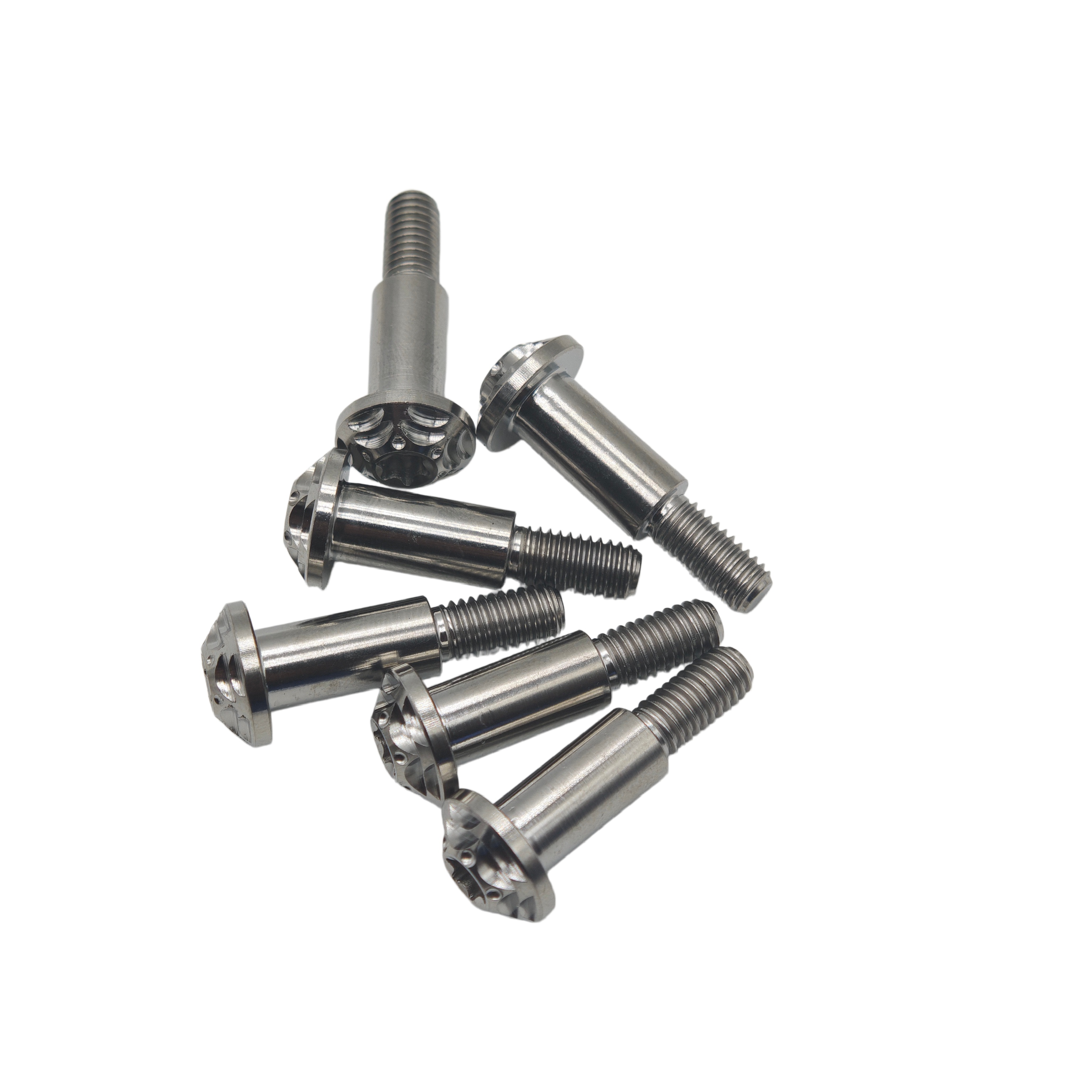
Custom Torx Shoulder Screw CNC Machined GR5 Titanium Socket Head Bolt
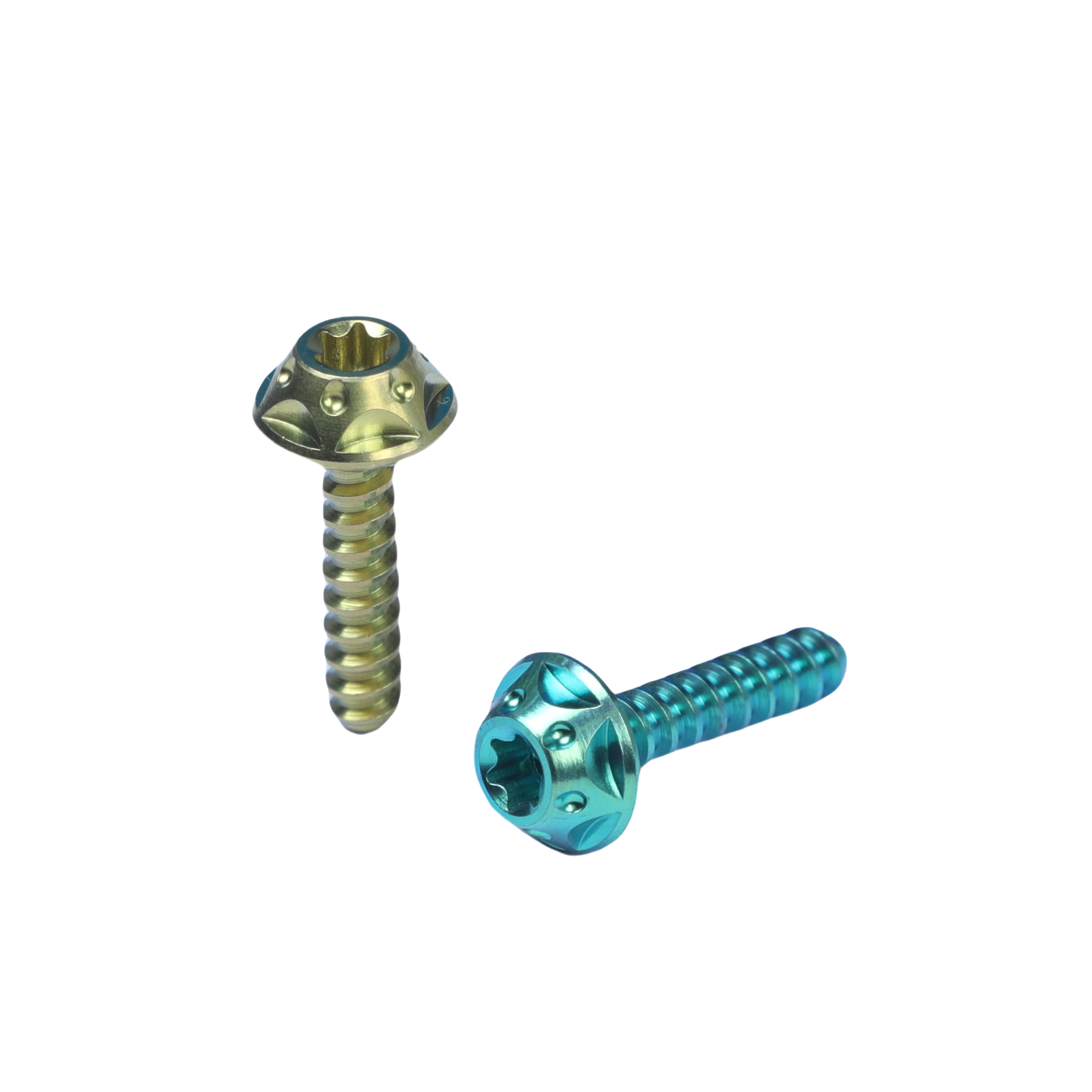
GR5 Titanium M5 CNC Flower Head Self-Tapping Screws Grade 5 Precision Fasteners
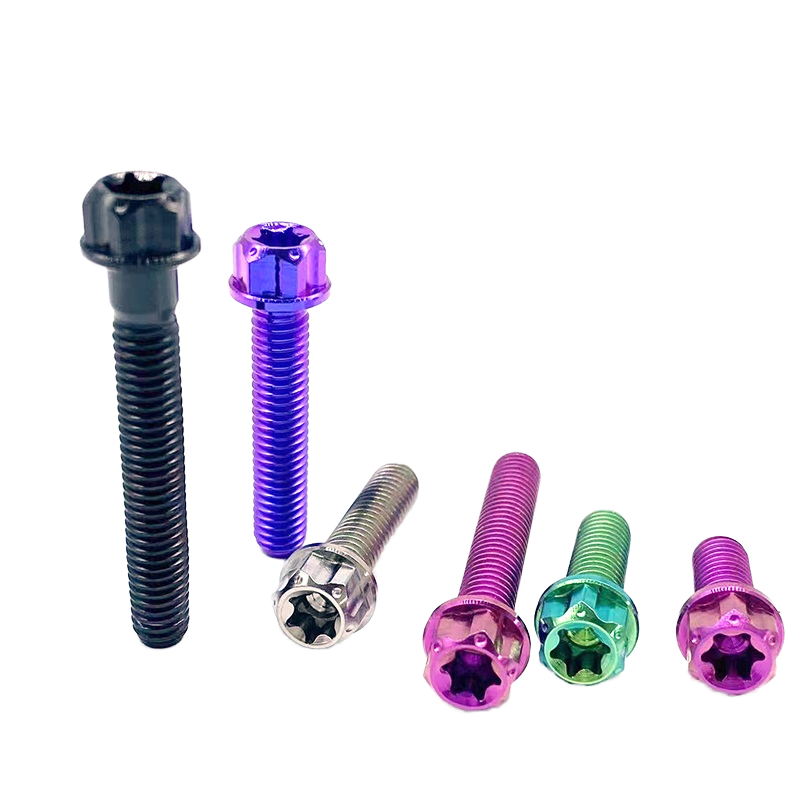
GR5 Titanium Alloy M8 M10 Flange Bolts Hexagon Screws Metric DIN Standard
Engineering Titanium Fasteners in the Danish Industrial Ecosystem
Strategic analysis of metallurgy, mechanical survivability, and supply-chain logistics for Danish original equipment manufacturers and procurement directors.
Denmark commands a globally recognized engineering reputation driven by world-leading offshore wind farm infrastructure (anchored in Esbjerg and the Kattegat), cutting-edge maritime naval architecture, biopharmaceutical processing systems in the Copenhagen-Kalundborg corridor, and hyper-specialized precision cycling and racing engineering. However, the Danish marine and industrial environment presents severe tribological and chemical degradation challenges: continuous exposure to high-salinity seawater aerosols (C5-M atmospheric corrosive classification according to ISO 12944), cyclical wave vibrations, and aggressive caustic cleaning regimes used in pharmaceutical washdowns.
Traditional austenitic stainless steels (AISI 304 and 316L) frequently fail in these critical Scandinavian operational environments due to chloride-induced stress corrosion cracking (SCC) and pitting at operating temperatures above 50°C. High-tensile carbon steels (Grade 8.8, 10.9, and 12.9), despite hot-dip galvanization or zinc flake finishes, inevitably suffer sacrificial coating depletion, sparking costly offshore maintenance turnarounds. This has catalyzed a substantial engineering shift among Danish procurement entities toward Grade 5 (Ti-6Al-4V) and Grade 2 Titanium Fasteners. Combining a density of just 4.43 g/cm³ with yield strengths exceeding 828 MPa and an indestructible, naturally regenerating rutile/anatase titanium dioxide ($TiO_2$) passive boundary layer, titanium alloy hardware guarantees zero-corrosion life-cycle performance across Denmark’s most unforgiving sectors.
| Material Classification | Density (g/cm³) | Tensile Strength $R_m$ (MPa) | Yield Strength $R_{p0.2}$ (MPa) | PREN Rating | Galvanic Behavior in Seawater | Stress Corrosion Cracking |
|---|---|---|---|---|---|---|
| Gr5 Titanium (Ti-6Al-4V) | 4.43 | 895 – 1050 | 828 – 910 | > 45 (Immune) | Noble Cathode (+0.05V vs SCE) | Complete Immunity |
| Marine Stainless (AISI 316L) | 7.98 | 520 – 680 | 220 – 300 | 23 – 25 | Active / Passive (-0.08V) | Susceptible > 60°C Cl⁻ |
| Super Duplex (UNS S32750) | 7.80 | 750 – 1000 | 550 – 650 | 42 – 45 | Noble (-0.02V vs SCE) | High Resistance |
| High-Tensile Steel (Class 10.9) | 7.85 | 1000 – 1040 | 900 – 940 | N/A (Oxidizes) | Active Anode (-0.60V to -0.70V) | Severe / Embrittlement Risk |
| Aerospace Aluminum (7075-T6) | 2.81 | 540 – 570 | 480 – 505 | N/A (Pitting) | Highly Active Sacrificial | High Susceptibility |
Top 10 Titanium Alloy Fasteners Manufacturers & Supply Partners Serving Denmark
A rigorous review of high-capacity direct manufacturers, local Danish CNC precision machining partners, and specialized industrial fastener distributors powering Danish manufacturing.
Zunvo Titanium Products Co., Ltd.
Bossard Denmark A/S
Würth Danmark A/S
Arvid Nilsson A/S
Dan-Fasteners ApS
CNC Onsite A/S
BSB Industry A/S
KJV A/S
CeramicSpeed (Specialized Tech Components)
Micro-Technic A/S
Localized Engineering Applications Across Danish Industry
Real-world integration scenarios where Grade 5 Ti-6Al-4V fasteners solve non-negotiable weight, corrosion, and biological neutrality challenges.
Offshore Wind Turbine Sensor Arrays (North Sea & Baltic)
Offshore nacelles and external LIDAR anemometer mounts located 100 meters above sea level face brutal salt fog conditions. Grade 5 titanium flange bolts (M10x20 DIN thread) secure radar domes and sensor brackets without needing anti-corrosion touch-ups during the 25-year turbine operational lifecycle, completely eliminating galvanic degradation when paired with carbon-fiber reinforced polymer (CFRP) shells.
Subsea Robotics & Marine Aquaculture Technology
Danish underwater ROVs and automated Kattegat salmon farming feeder cages utilize titanium fasteners because of titanium's immunity to microbiological induced corrosion (MIC) and pitting in stagnant saltwater. Fasteners like Metric M5x15 Grade 5 flange screws provide high shear retention while preventing marine bio-fouling weld crystallization.
Danish Biopharm & Food Processing Equipment
Denmark's world-leading diabetes and enzyme drug manufacturing lines require aggressive clean-in-place (CIP) and steam-in-place (SIP) wash cycles with hot nitric and peracetic acid. Titanium fasteners such as Gr5 cross dowel nuts and adjustment knobs eliminate iron oxide particulate shedding, guaranteeing sterile pharmaceutical compliance.
Elite Competitive Cycling & Motorsport Engineering
Denmark is one of the cycling capitals of the world. Leading frame fabricators and WorldTour mechanics replace heavy steel disc hardware with Grade 5 M8/M10 flange bolts and custom Torx shoulder screws, shedding up to 200g of unsprung rotational mass while improving high-speed torsional stiffness.
Procurement & Technological Trends in the Nordic Fastener Market
How Denmark's stringent environmental legislation, EU ESG carbon footprints, and advanced manufacturing automation dictate modern fastener selection.
The Danish fastening industry is undergoing a structural paradigm shift driven by three primary technological and economic forces:
1. Life Cycle Costing (LCC) Over Initial Purchase Price
Historically, procurement managers at Danish OEM manufacturers prioritized unit procurement cost, defaulting to standard zinc-nickel plated 8.8 carbon steel or 316L stainless steel. However, with offshore technician callout rates exceeding €2,500 per day in the North Sea and catastrophic downtime costs in chemical processing, the total cost of ownership equation has flipped. Because Ti-6Al-4V fasteners do not experience general, pitting, or crevice corrosion in seawater at normal operating temperatures, design engineers now specify titanium hardware upfront. This ensures that the fastener life matches or exceeds the 25–30 year design life of offshore substructures.
2. Scope 3 Decarbonization and Recyclability (Green Procurement)
Danish companies, heavily scrutinized under Danish national climate targets (70% emissions reduction by 2030) and the EU Corporate Sustainability Due Diligence Directive (CSDDD), strictly evaluate the carbon footprint of their suppliers. Titanium manufacturing through advanced net-shape cold heading, automated hot-die heading, and high-efficiency vacuum re-melting drastically cuts raw material waste compared to subtractive machining from solid billet bars. Furthermore, 100% of titanium alloy scrap generated during CNC operations is segregable and fully recyclable, aligning seamlessly with circular economy guidelines mandated across Denmark.
3. Galvanic Compatibility with Advanced Carbon-Fiber Composites
With Denmark spearheading composite engineering in wind turbine blades, high-end drone fuselages, and ultralight maritime hulls, the intersection of metal fasteners with carbon fiber reinforced polymers (CFRP) is a major engineering issue. Carbon fiber is electrically conductive and has a noble cathodic potential (+0.20V to +0.30V vs SCE). When carbon steel or aluminum fasteners contact CFRP in an electrolytic environment, intense galvanic corrosion occurs within weeks, destroying the metal bolt. Titanium, with its close matching electrode potential (+0.05V vs SCE) and dense dielectric $TiO_2$ surface layer, is the only commercially viable structural metal that produces negligible galvanic coupling current with carbon fiber composites.
Why European Engineers Partner With Zunvo Titanium
Direct mill integration from Baoji, China's Titanium Valley, paired with rapid European aerospace logistics.
Certified Material Traceability
Every batch comes standard with EN 10204 3.1 mill inspection certificates detailing exact chemical spectrometry (O, N, C, H, Fe, Al, V) and true tensile/yield/elongation mechanical test data linked to original ingot heats.
Rapid Prototyping & Agile Runs
We eliminate weeks of lead time with 3-day sample dispatch for custom CAD/STEP drawings. From small-batch trials of 100 pieces up to full container shipments, our multi-spindle Swiss lathes accommodate dynamic Danish sprint schedules.
Rolled Threads for Fatigue Life
Unlike budget workshops that cut threads via CNC turning, Zunvo utilizes high-tonnage thread rolling machines. This aligns continuous grain lines along root fillets, elevating cyclic shear and fatigue resistance by up to 35% under dynamic load.
PVD Nitride & Micro-Anodizing
Our in-house surface finishing laboratory provides precise electro-chemical color anodizing (Gold, Blue, Burnt Rainbow, Purple) and ultra-hard Physical Vapor Deposition (PVD TiN/AlTiN/DLC Black) with micro-hardness reaching HV 2500+.
100% Optical Laser Screening
Zero-defect automated vision inspection sorting systems verify head concentricity, thread pitch, flank angles, and drive recesses at speeds up to 600 pieces/minute, guaranteeing flawless robotic feeder assembly in Danish facilities.
Seamless Nordic Air/Sea Logistics
Established DDP (Delivered Duty Paid) express air routes through Copenhagen Airport (CPH) and Billund Airport (BLL), managing all Danish customs clearances, EU import VAT filings, and single-invoice settlement.
Frequently Asked Questions by Danish Procurement & Engineering Teams
Direct technical answers addressing standards, tightening torque, galling risks, and cross-border logistics to Denmark.
