Recommended High-Performance Titanium Fasteners
Custom-machined and standard Grade 5 fasteners designed for weight-critical assemblies, aggressive corrosive atmospheres, and high-fatigue mechanical loads across Puget Sound.
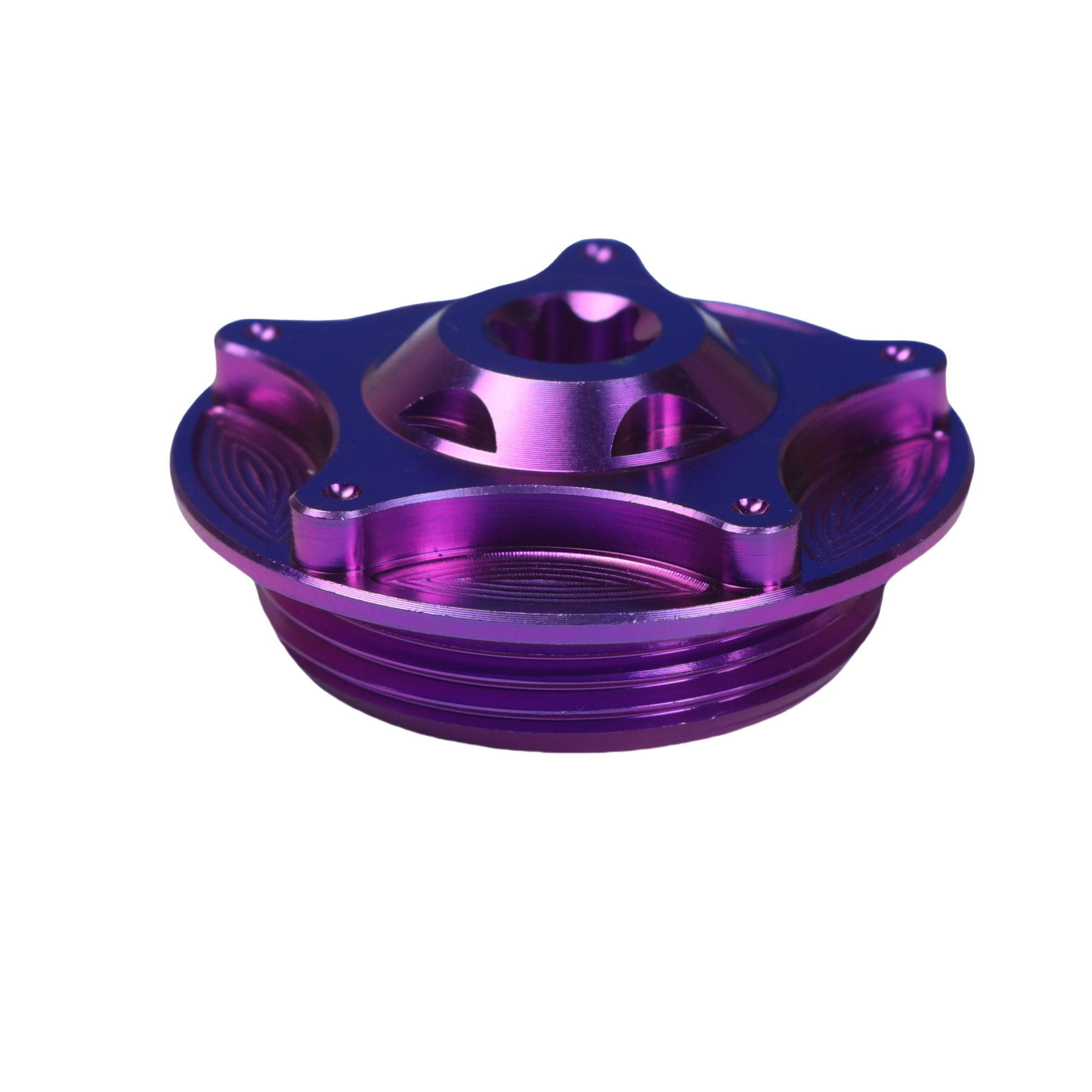
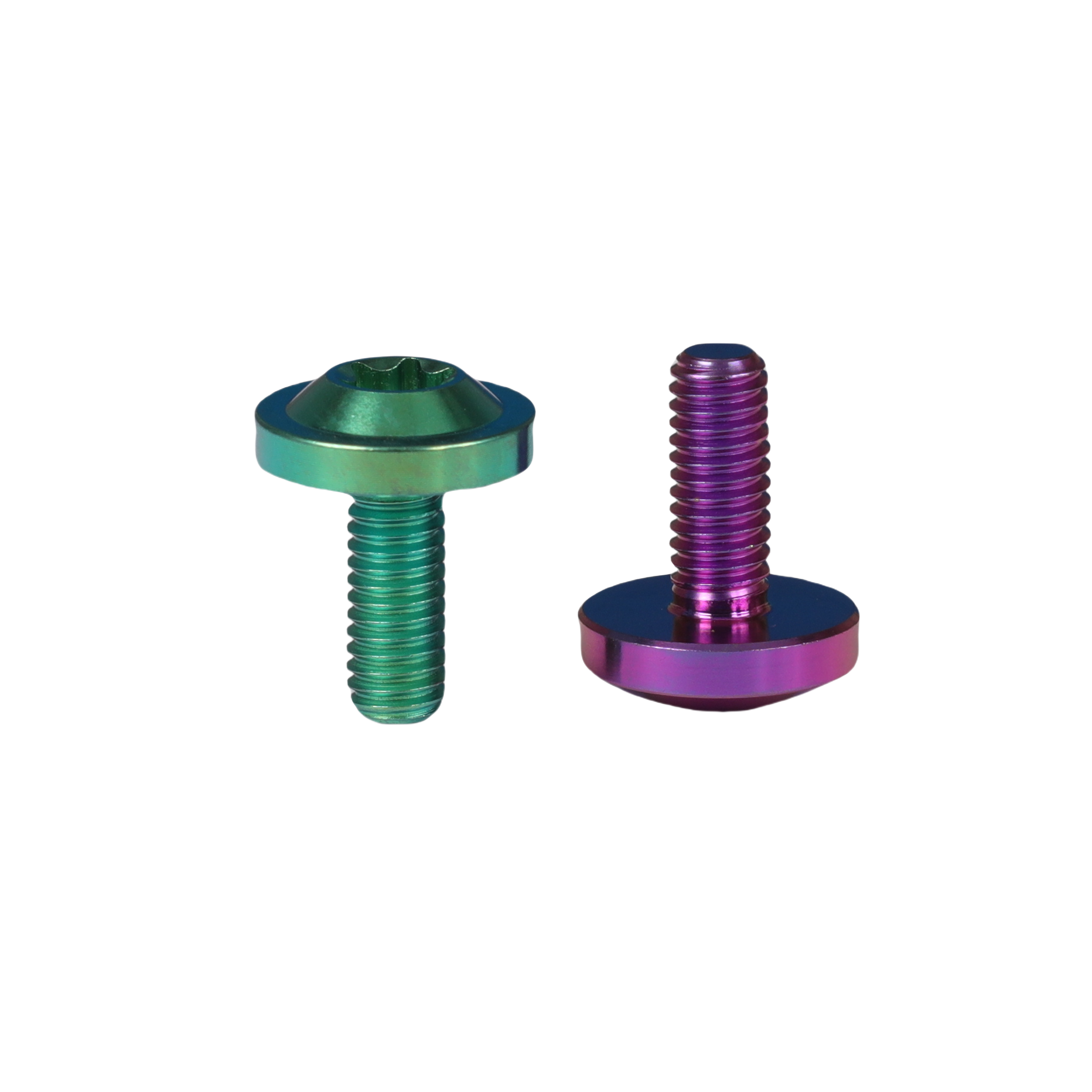
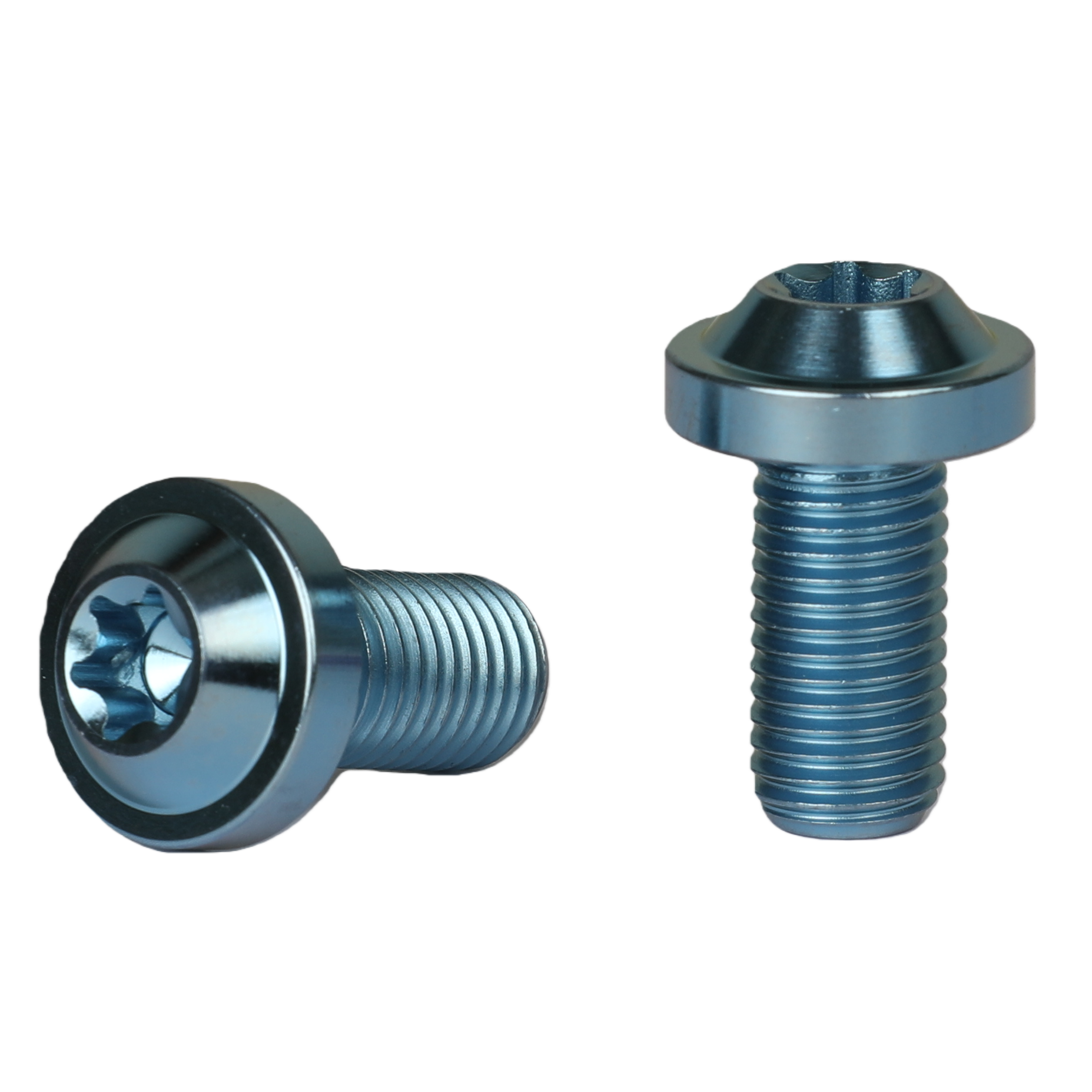
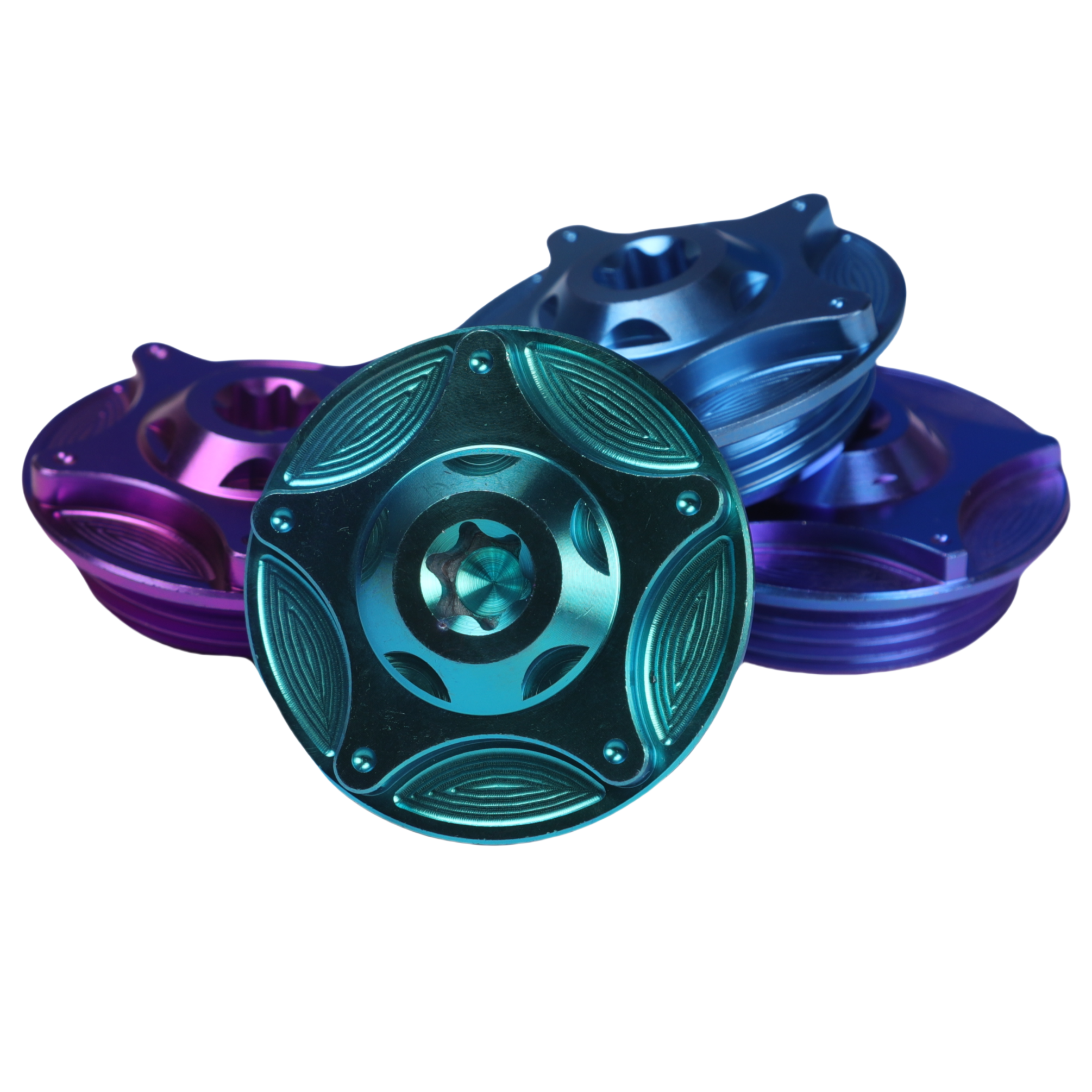
Engineering Whitepaper: The Strategic Value of Anodized Titanium Fasteners in Seattle's Advanced Manufacturing Ecosystem
The Greater Seattle and Puget Sound industrial corridor stands at the intersection of extreme aerospace requirements, demanding subsea and commercial marine environments, and bleeding-edge autonomous hardware development. For mechanical procurement specialists, stress engineers, and supply chain managers in King, Snohomish, and Pierce counties, selecting fastening hardware is rarely just about thread engagement—it is a critical calculation balancing galvanic corrosion, strength-to-density ratio, thermal cycling stability, and long-term fatigue lifecycle.
While standard A2 or 316 stainless steel fasteners offer adequate corrosion resistance in atmospheric conditions, their high density (approximately 7.9 g/cm³) introduces unacceptable mass penalties in airborne or high-acceleration systems. Conversely, high-tensile 12.9 carbon steel fasteners provide the shear and tensile capacity needed for structural assemblies but deteriorate rapidly when subjected to Puget Sound's high-humidity, salt-laden marine air unless treated with sacrificial coatings that degrade under mechanical friction. Grade 5 Titanium (Ti-6Al-4V, UNS R56400), particularly when treated with precision electrolytic anodization or Physical Vapor Deposition (PVD), resolves this engineering tradeoff by offering a yield strength exceeding 828 MPa, ultimate tensile strength above 895 MPa, and a density of only 4.43 g/cm³.
Electrochemical Anodizing Dynamics: Type II vs. Type III Spectrum Interference
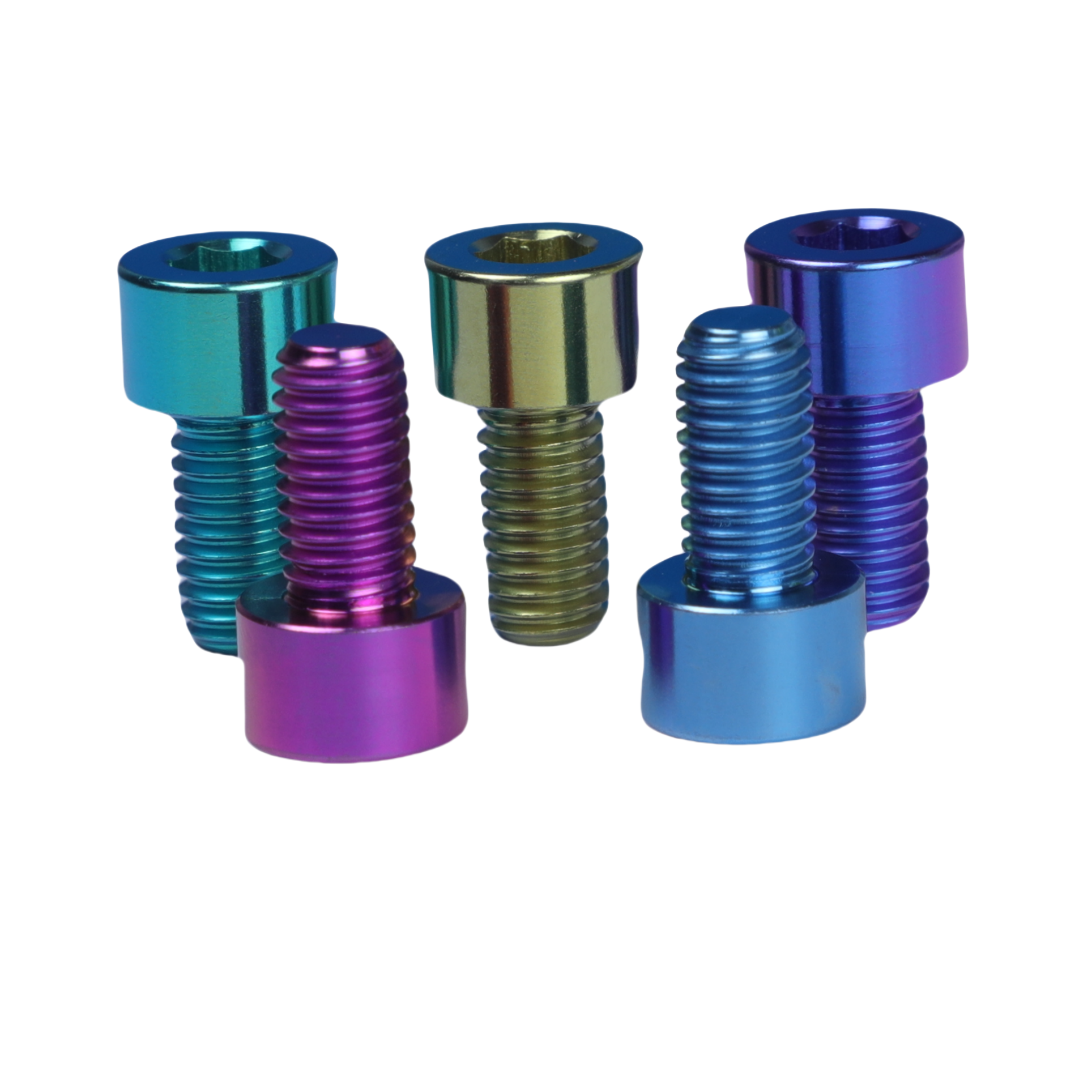
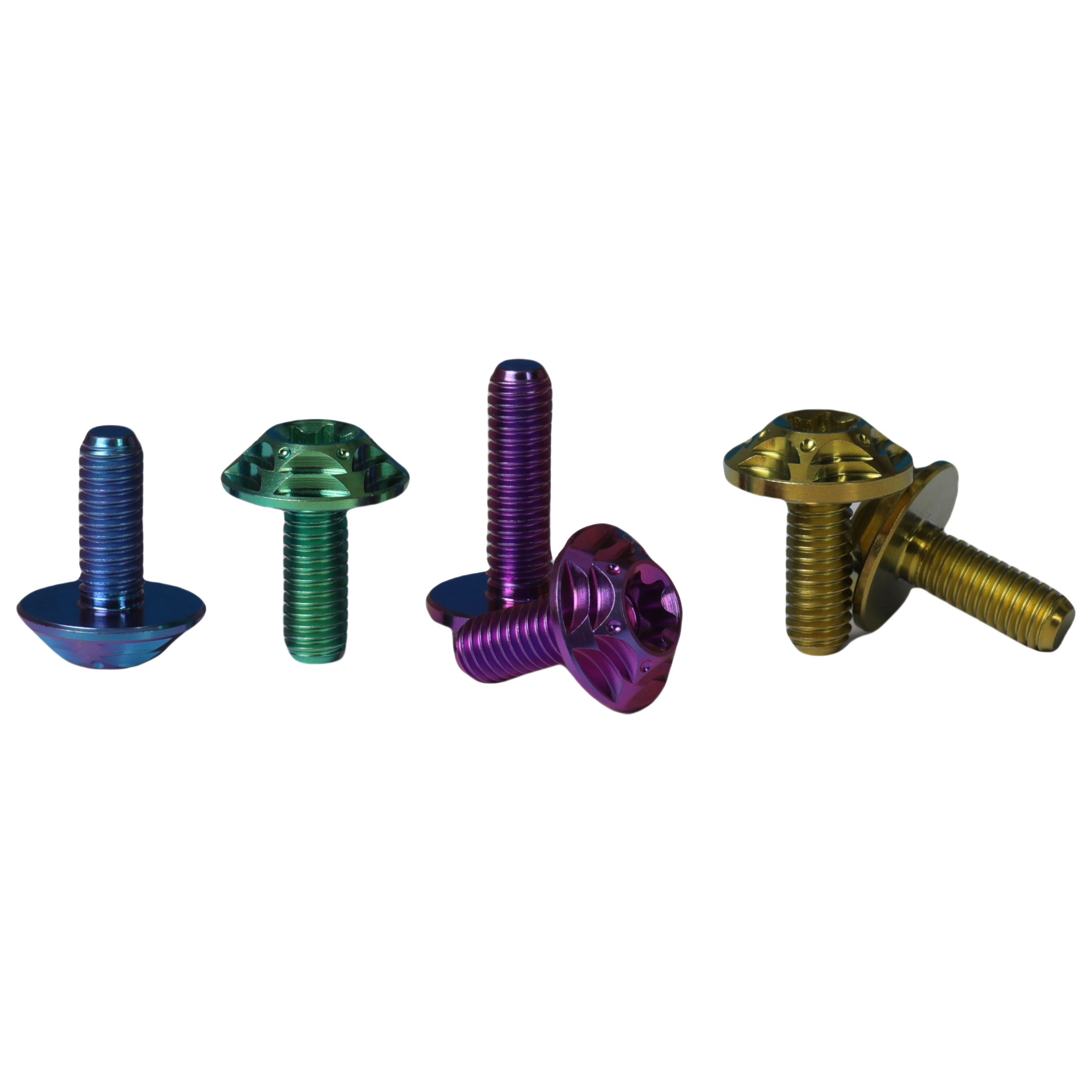
Anodizing titanium fundamentally differs from the sulfuric acid anodizing of aluminum. Rather than creating a porous oxide layer that absorbs organic dyes, titanium anodization is an electro-chemical passivation process that grows a dense, barrier-type titanium dioxide (TiO₂) film. The brilliant spectrum colors—gold, cobalt blue, royal purple, and rainbow—are not pigments; they are optical interference colors. Light reflecting off the surface of the semi-transparent titanium dioxide layer interferes constructively with light reflecting off the substrate metal, canceling or amplifying specific wavelengths based purely on the nanometer-scale thickness of the oxide.
| Performance Parameter | Ti-6Al-4V (Grade 5) Fasteners | 316 Marine Stainless Steel | 10.9 / 12.9 Alloy Steel | 7075-T6 Hard-Anodized Aluminum |
|---|---|---|---|---|
| Density (g/cm³) | 4.43 (Lightweight) | 7.98 (Heavy) | 7.85 (Heavy) | 2.81 (Ultra-light) |
| Tensile Strength (MPa) | 895 – 1050 | 550 – 700 | 1040 – 1220 | 540 – 570 |
| Yield Strength (MPa) | ≥ 828 | ≥ 240 | ≥ 940 | ≥ 480 |
| Salt Spray Resistance (ASTM B117) | > 3,000 hrs (Inert) | ~800 – 1,200 hrs | < 96 hrs (Uncoated) | ~500 hrs (Pits at breaches) |
| Galvanic Behavior vs Carbon Fiber | Cathodically Compatible | Mildly Galvanic | Highly Cathodic (Rapid Rust) | Severe Sacrificial Anode |
| Thread Galling Resistance | Requires Anti-Seize or MoS2/PVD | Prone to Cold Welding | High | Moderate to Poor |
For technical buyers in the Seattle region, distinguishing between decorative color anodizing (governed broadly by voltage step variations from 15V to 110V) and functional anti-galling coatings (such as AMS 2488 Type II conversion coatings) is essential. While color anodization provides component coding for motorsport pit crews and aesthetic finish for commercial consumer products, Type II alkaline anodizing introduces a micro-textured matte-grey layer that retains dry-film lubricants, preventing thread seizing and micro-welding in titanium-to-titanium or titanium-to-nickel high-torque unions.
Localized Engineering Applications Across the Puget Sound Corridor
Aerospace & NewSpace Payload Mounts
Kent Space Valley and Everett aerospace subcontractors utilize rolled-thread Ti-6Al-4V fasteners for satellite avionics chassis, bracketry, and non-structural interior secondary structures where vibration damping, thermal contraction parity, and mass conservation govern design envelopes.
Puget Sound Marine & Oceanographic Tech
Ballard and Lake Union naval architectural firms deploy anodized titanium hardware in hydrofoil control linkages, robotic ROV thruster housings, and oceanographic monitoring buoys exposed perpetually to seawater where 316 stainless suffers crevice corrosion under elastomeric seals.
Pacific Northwest Motorsport & Superbike Tuning
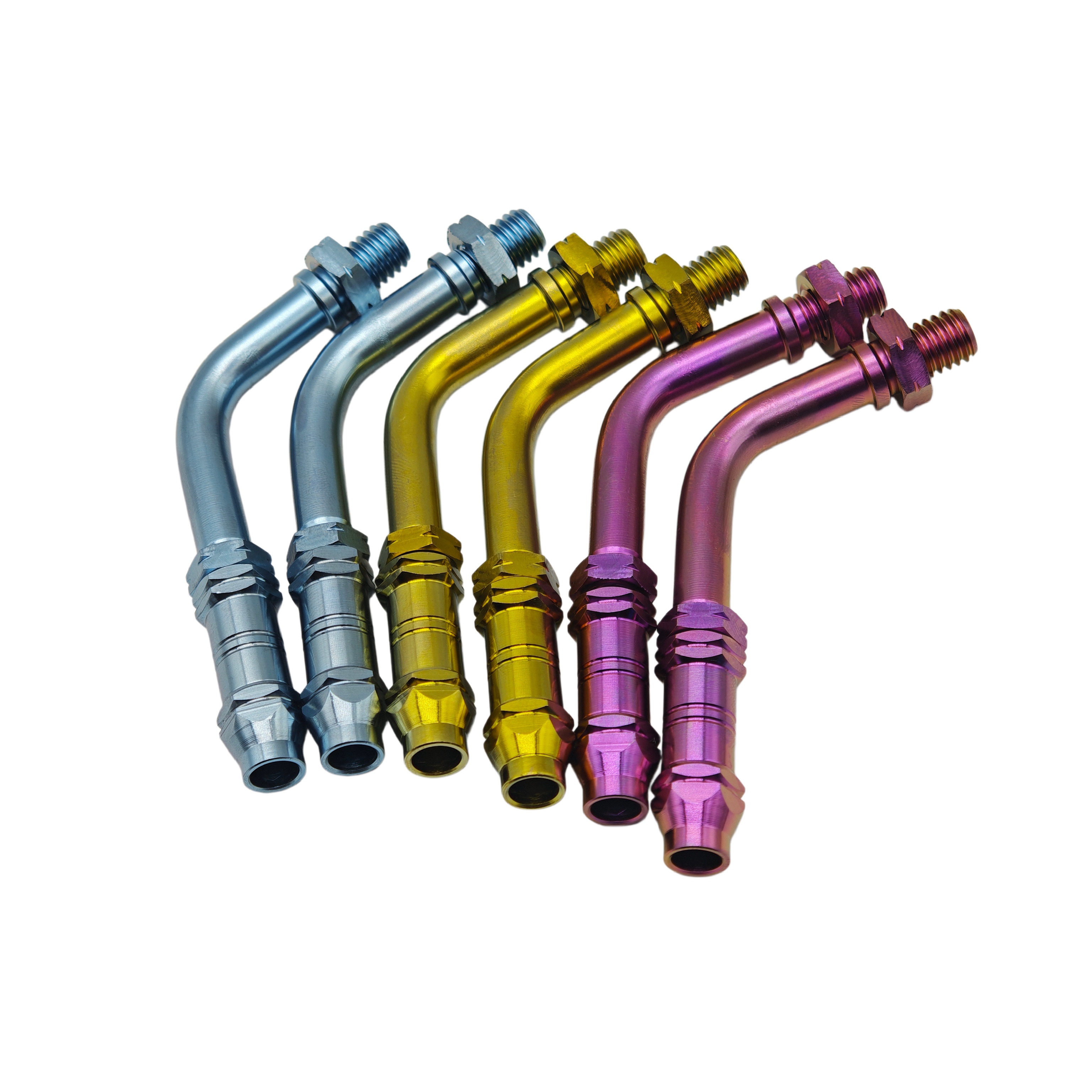
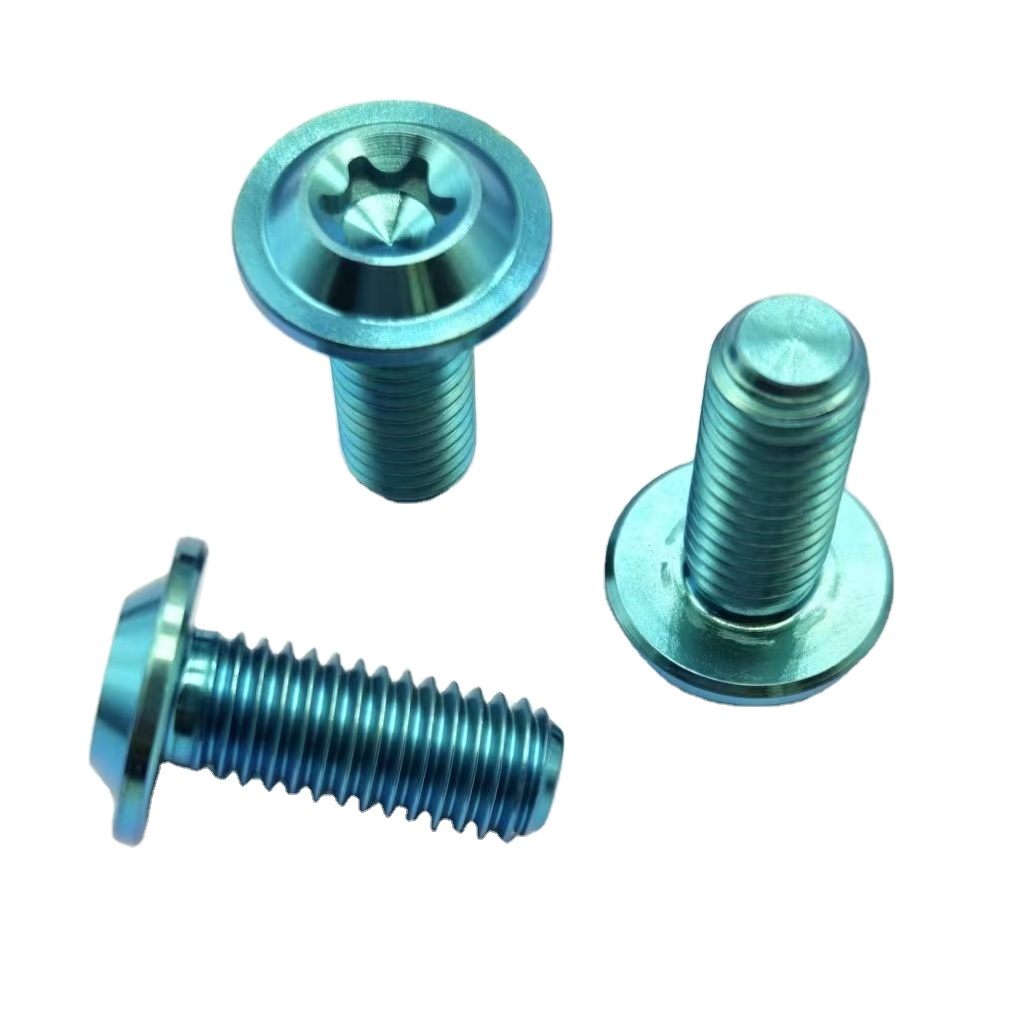
From Ridge Motorsports Park competitors to custom moto builders in South Seattle, track builders specify M6-M10 Gr5 pan head brake disc bolts, axle nuts, and cable adjusters to drastically minimize unsprung rotational mass and eradicate thermal brake rotor warping.
Emerging Supply Trends in Seattle's High-Tech Manufacturing Landscape
The manufacturing ecosystem in Washington State is undergoing a structural transition toward rapid digital prototyping paired with resilient on-demand raw material replenishment. Three dominant supply chain vectors are reshaping procurement criteria for titanium fasteners in the 2026 market landscape:
1. Carbon Fiber Composite Integration & Galvanic Isolation
With Seattle being a premier global hub for carbon fiber reinforced polymer (CFRP) development—from Boeing's composite wing facilities to high-end marine spars and racing bicycles—fastener metallurgy has come under intense scrutiny. Aluminum fasteners in direct electrical contact with carbon fiber create severe galvanic cells in the presence of Pacific Northwest moisture, leading to rapid sacrificial destruction of the aluminum. Steel creates similar concerns. Titanium, possessing a standard electrode potential very close to carbon, forms an inert galvanic couple. Local engineers increasingly mandate Grade 5 fasteners across all direct CFRP bearing interfaces to ensure multi-decade structural integrity without messy dielectric barrier pastes.
2. Precision CNC Turning vs. Thread-Rolling Quality Standards
A critical divergence in supplier capability that regional procurement directors monitor is the method of thread formation. While low-cost CNC job shops frequently cut threads using single-point lathe tools, aerospace-grade titanium hardware requires cold-rolled or warm-rolled threads. Thread rolling reorganizes the grain structure of the Ti-6Al-4V bar along continuous contour lines rather than shearing through the grain matrix. This grain flow continuity yields up to a 30% increase in thread fatigue life under cyclic vibration loads—a mandatory specification for marine turbine blades, aerospace instrumentation, and high-rpm superbike engines.
3. Supplier Traceability & The "Baoji to Seattle" Direct Highway
Baoji, Shaanxi, represents the core processing cluster responsible for over 60% of China's titanium melting and bar stock distribution. As Seattle OEM procurement departments seek to eliminate multi-tier domestic markup agents who repackage generic imports without raw material origin tracking, the trend has swung decidedly toward direct partnerships with onsite-verified manufacturers. Direct sourcing from facilities that maintain integrated CNC turning centers, automatic thread rolling machines, and in-house spectral anodizing allows engineering firms to demand full Mill Test Certificates (MTC) linked to specific melting heat numbers, guaranteeing absolute compliance with chemical composition limits (iron ≤ 0.40%, oxygen ≤ 0.20%, hydrogen ≤ 0.015%).
Factory Engineering & Manufacturing Advantages
Direct-from-Source Baoji Advantage
Situated directly within China's Titanium Valley, our factory secures certified aerospace-grade raw bar stock with complete melt pedigree, bypassing secondary metal broker markups and verifying zero scrap-metal inclusions.
Micro-Precision 5-Axis CNC & Thread Rolling
Our workshop utilizes dedicated Swiss-type automatic lathes and hydraulic thread rollers, guaranteeing Class 6g external metric threads and Class 6H internal nut tolerances down to ±0.005mm.
Multi-Stage Metrology & Quality Control
Every single batch undergoes dimensional optical sorting, thread ring/plug gauge verification, micro-hardness testing, and spectrophotometer color-consistency checks prior to airtight export packaging.
Frequently Asked Questions for Seattle Procurement & Engineering Teams
How does Gr5 Ti-6Al-4V handle galvanic coupling with carbon fiber components common in Seattle aero/marine builds?
Titanium and graphite (carbon fiber) have virtually identical electrical potentials on the galvanic series chart. Unlike aluminum—which undergoes catastrophic galvanic corrosion when fastened directly to carbon fiber—titanium does not corrode or oxidize in contact with CFRP, eliminating the need for fiberglass isolation plies or insulating sleeves.
Can anodized titanium brake disc bolts directly replace 10.9-grade steel OEM fasteners?
Yes, provided torque calculations account for friction coefficients. Gr5 Ti-6Al-4V has a minimum tensile strength of 895-950 MPa, closely rivaling Class 10.9 steel (~1040 MPa) while eliminating rotating mass by ~44%. A quality anti-seize lubricant or molybdenum disulfide grease must be used during installation to achieve accurate clamping preload without thread galling.
Will the color on anodized titanium hardware fade under Pacific Northwest marine or road-salt exposure?
No. Titanium color anodization does not utilize dyes or organic pigments. The color is generated by optical interference through a dense, crystal-clear titanium dioxide (TiO₂) layer. Because TiO₂ is chemically inert and completely resistant to salt water, UV radiation, brake fluid, and engine heat up to 400°C, the color will never peel, bleach, or chip off.
What documentation and test reports are supplied for industrial and aerospace purchase orders?
Every commercial order is accompanied by comprehensive batch inspection records, including raw material Mill Test Certificates (MTC) stating chemical analysis (ICP-OES) and mechanical tensile properties, dimensional inspection checklists against CAD/print tolerances, and thread fit certs.
What is the typical sampling and bulk delivery lead time for Washington State machine shops?
Standard catalog configurations (such as DIN 912 socket screws, brake disc bolts, and hex flange nuts) ship from ready inventory within 24 hours. Custom drawing-based parts require approximately 3 to 5 business days for precision CNC prototypes and 12 to 18 days for bulk production, expedited directly to Sea-Tac or regional freight terminals via DHL/FedEx Express.
What is the difference between PVD coating and standard color anodizing on titanium bolts?
Anodizing creates interference colors through thin-film oxidation, ideal for identification, weatherproofing, and moderate-friction components. PVD (Physical Vapor Deposition) applies an ultra-hard ceramic compound (such as Titanium Nitride or Diamond-Like Carbon) under high vacuum. PVD coatings offer superior surface hardness (exceeding 2,000 Vickers) and extreme abrasion resistance for heavy-torque impact tool environments.
Accelerate Your Engineering Project in Seattle
Connect directly with our Baoji manufacturing engineering division. Whether you require standard DIN/ISO Grade 5 fasteners, model-specific superbike bolt kits, or full OEM production from custom 2D/3D CAD drawings, our technical team provides rapid tolerance audits and factory-direct pricing.
Get a Quote