High-Performance Titanium Hardware Portfolio
Inspected via automated optical sorters and thread gauges; built to withstand cryogenic cold, corrosive de-icing salts, and severe dynamic shear stress across Tyrol and European corridors.
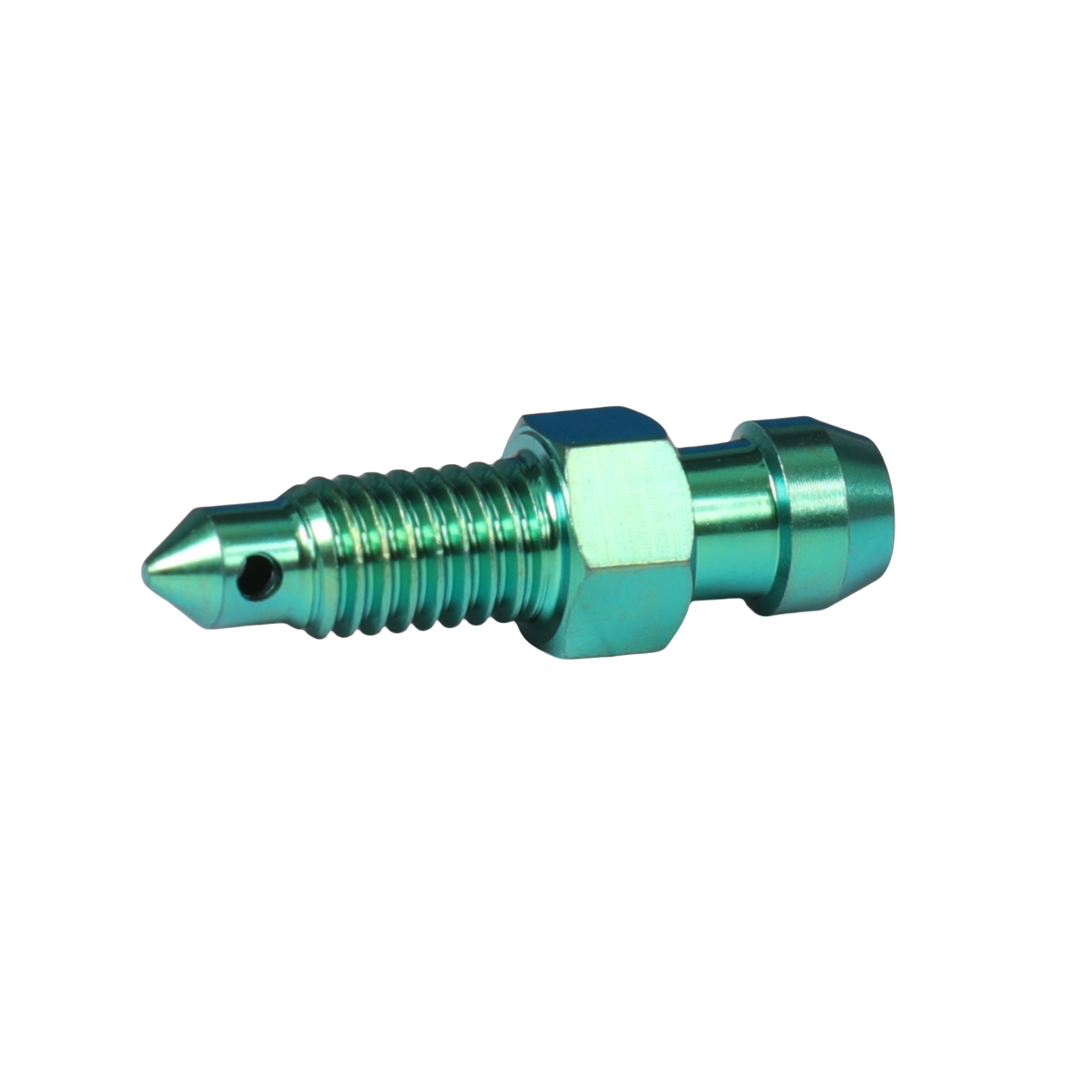
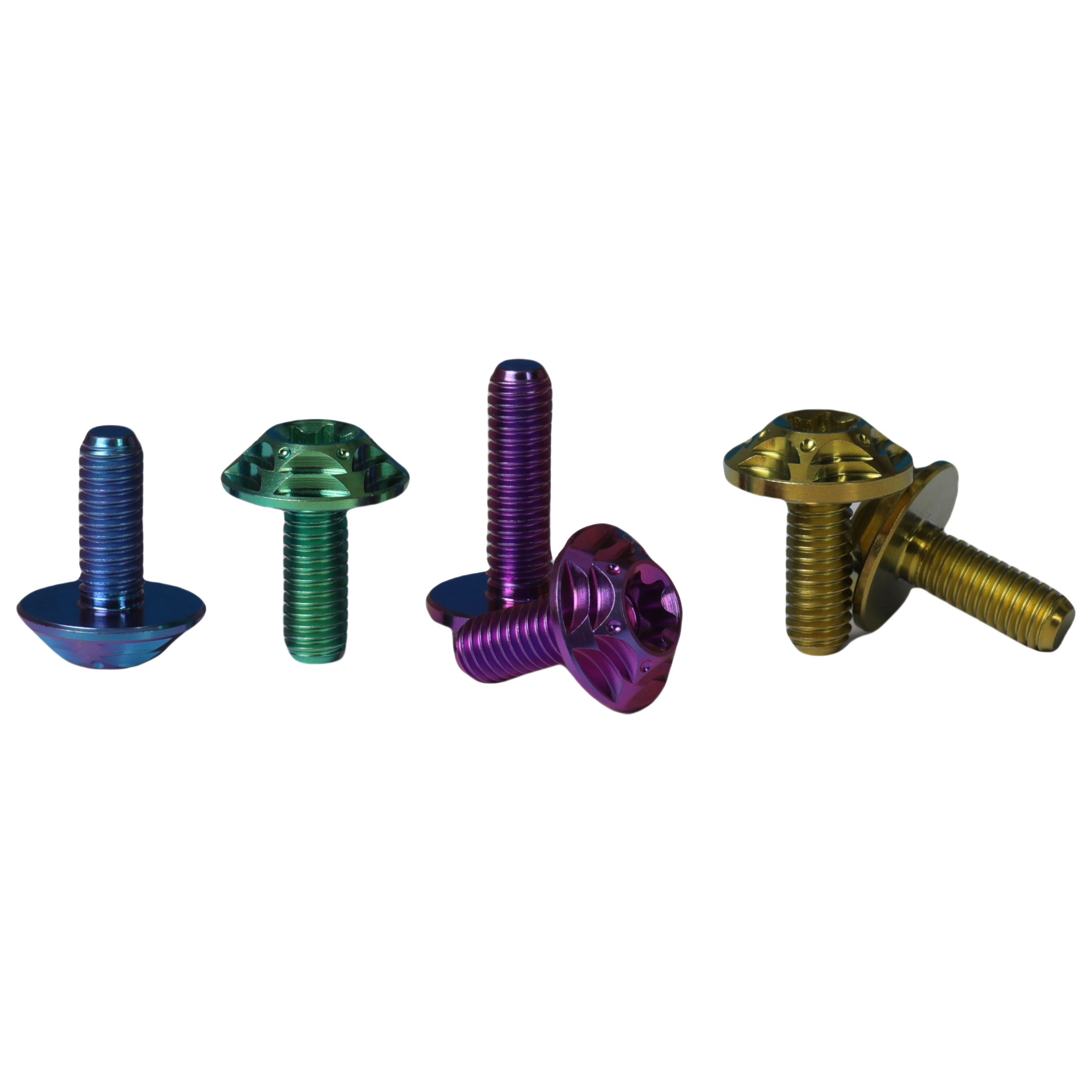
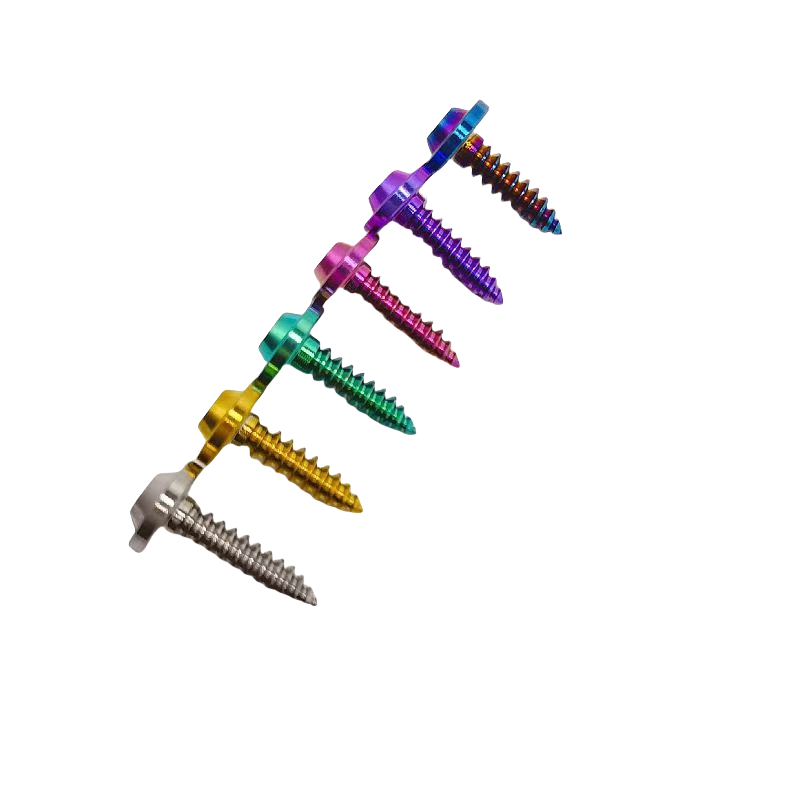
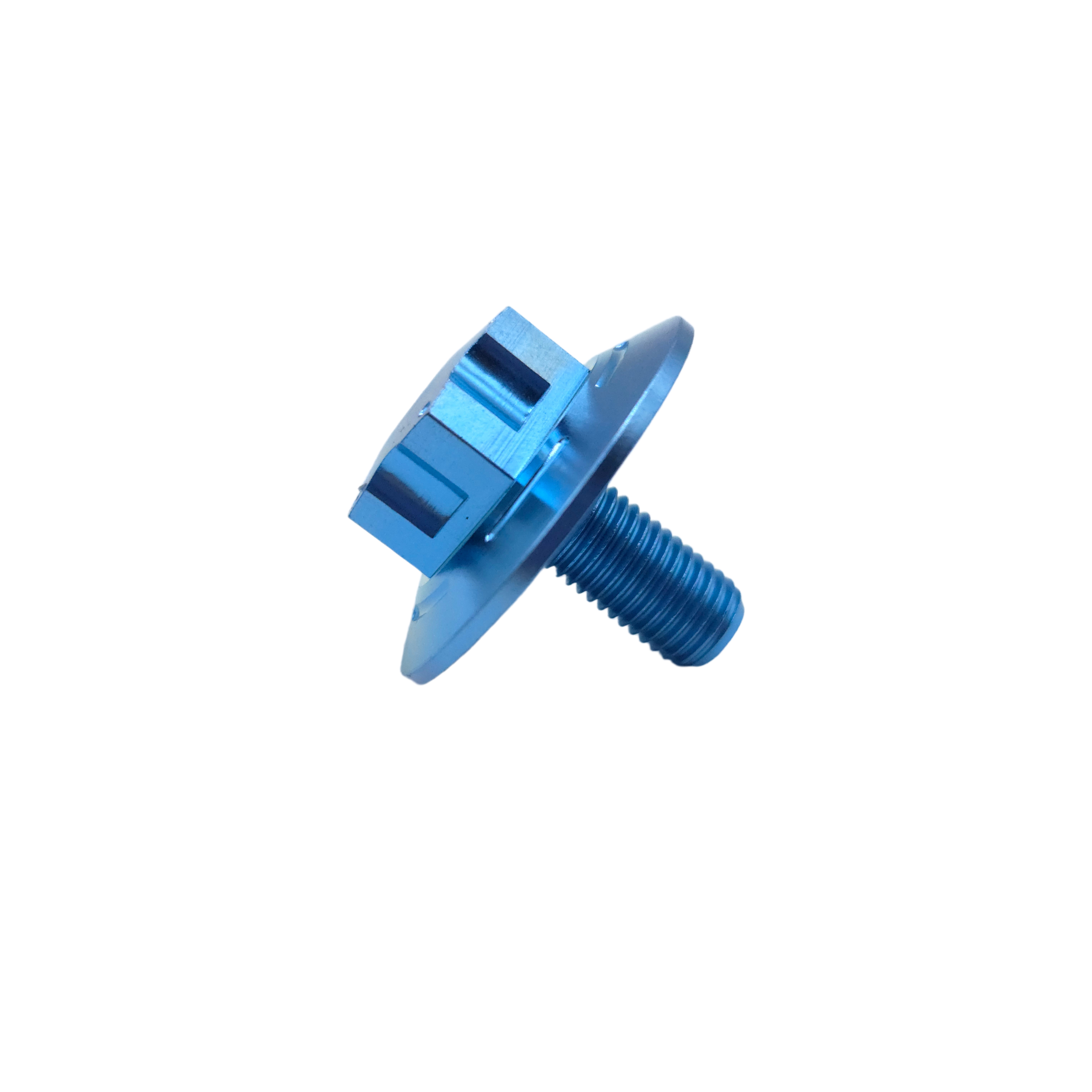
Engineering Grade 5 Ti-6Al-4V: Overcoming Alpine Mechanical Challenges
A comparative structural analysis for procurement directors, mechanical engineers, and dynamic assembly builders operating in Western Austria and the Alps.
1. Yield Strength, Damping Factor & Unsprung Mass Dynamics
In mechanical assemblies subjected to cyclic loads, temperature swings from -30°C in Alpine winters to +80°C during heavy descent braking, standard fasteners face premature metal fatigue or hydrogen embrittlement. Ti-6Al-4V Grade 5 (UNS R56400) delivers a density of just 4.43 g/cm³ compared to steel at 7.85 g/cm³. More critically, our rolled-thread process creates unbroken grain lines along the thread profile, lifting shear and fatigue thresholds by over 30% relative to cut threads.
| Mechanical Characteristic | Gr5 Ti-6Al-4V (Annealed) | Structural Steel (Class 8.8) | Alloy Steel (Class 10.9) | Stainless Steel (A2-70 / 304) |
|---|---|---|---|---|
| Density (g/cm³) | 4.43 | 7.85 | 7.85 | 7.93 |
| Tensile Strength (MPa) | ≥ 895 - 950 | 800 | 1040 | 700 |
| Yield Strength (0.2% Offset, MPa) | ≥ 828 | 640 | 940 | 450 |
| Modulus of Elasticity (GPa) | 114 | 205 | 210 | 193 |
| Chloride & Road Salt Resistance | Immune (Stable TiO&sub2; Layer) | Requires Plating | Prone to Pitting | Susceptible to Crevice Rust |
| Thermal Conductivity (W/m·K) | 6.7 | 50.2 | 46.6 | 16.2 |
Technical Consideration: The lower Young's Modulus of titanium (114 GPa versus 205 GPa in steel) imparts superior resilience under impact loads, acting as a structural shock-absorber on brake disc mountings and Alpine vehicle suspension arms. Anti-seize paste with molybdenum disulfide (MoS&sub2;) or PTFE compound is strictly specified to prevent galling on raw titanium threads.
Why Innsbruck Industrial Buyers Partner With Zunvo
Onsite-verified production line direct from Baoji, China's Titanium Valley, backed by end-to-end metallurgical traceability and rapid DDP Alpine logistics.
Certified Baoji Mill Traceability
Every batch of titanium wire and billet includes an EN 10204 3.1 chemical and mechanical inspection report, verifying accurate alloy composition with strict limits on interstitial elements (Fe ≤ 0.25%, O ≤ 0.20%).
Multi-Axis Precision Machining
Equipped with high-precision Swiss-type multi-axis lathe-mill centers. We reliably achieve tolerances down to ±0.005 mm, Class 6g external threads, and zero burr finishes across standard DIN912, ISO7380, and Torx drives.
PVD & Voltage Anodizing Facility
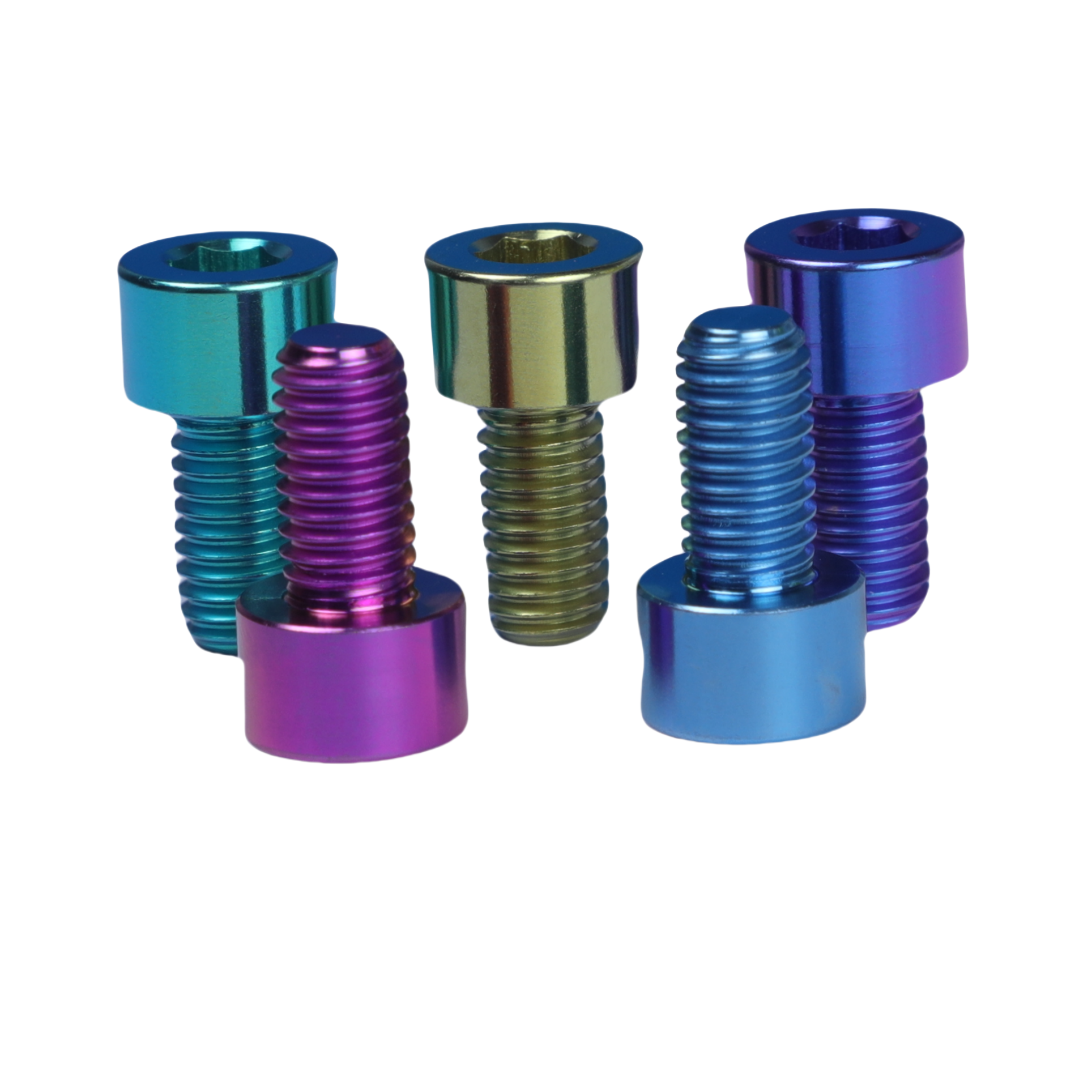
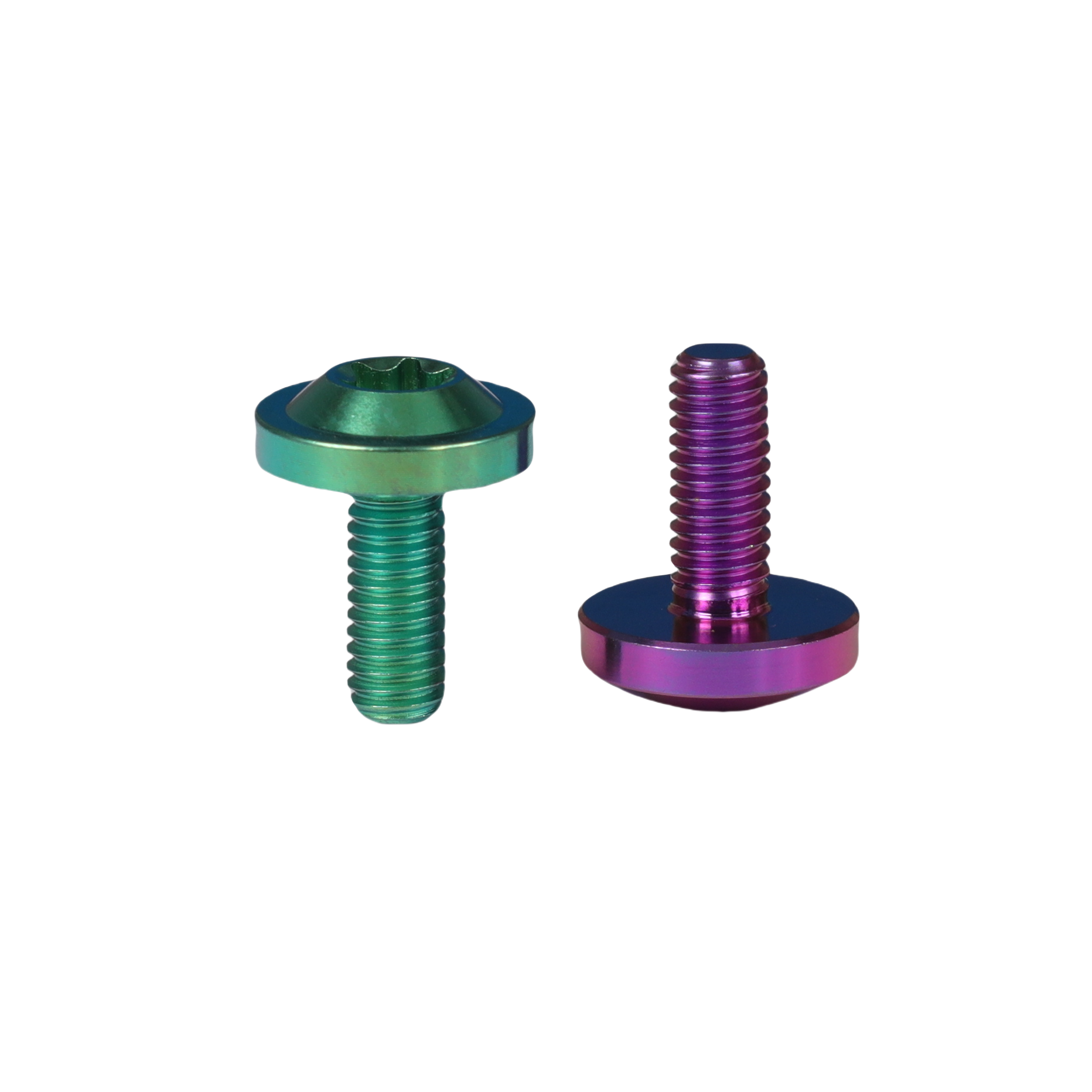
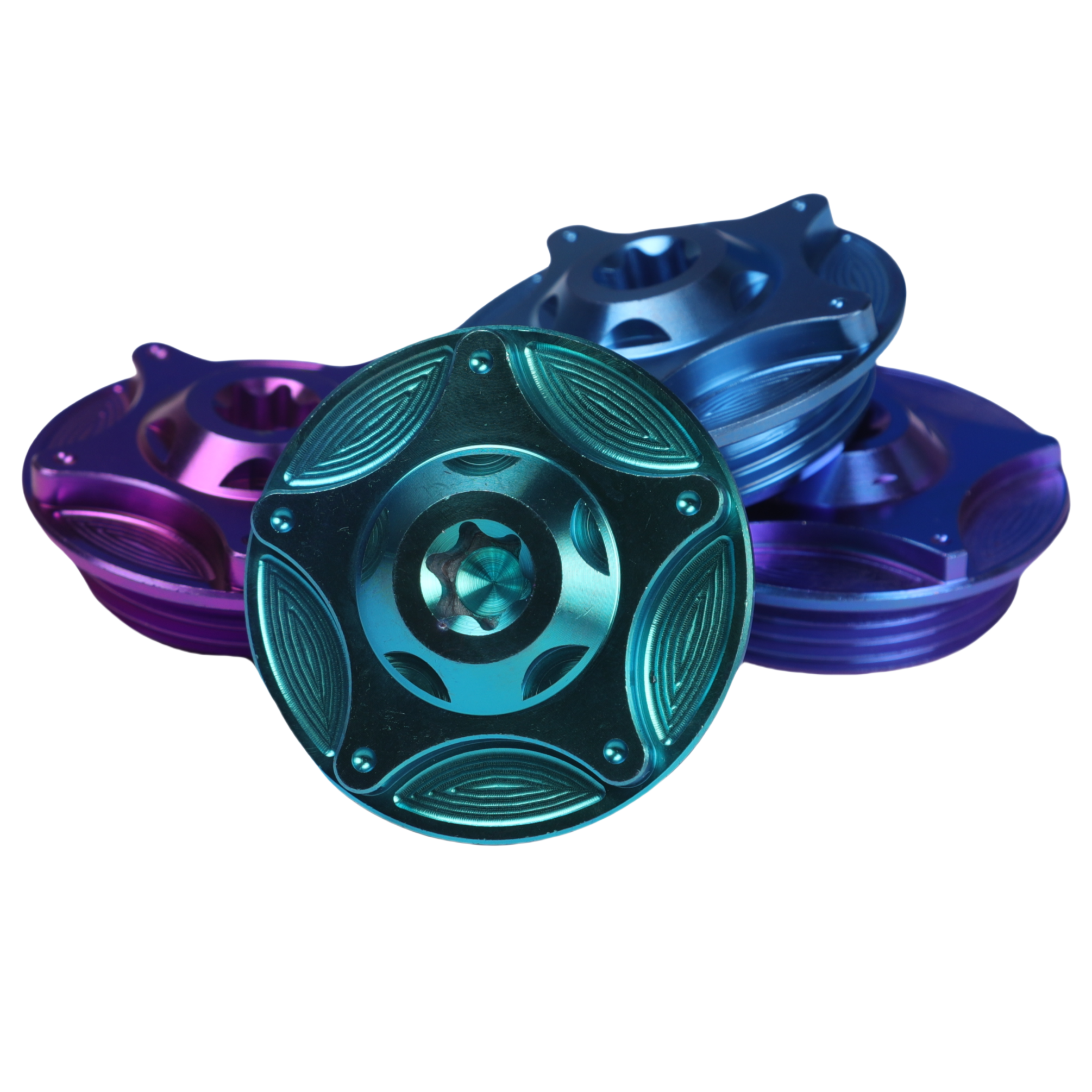
In-house computerized voltage tanks and PVD vacuum coating chambers guarantee uniform color deposition: Burnt Rainbow, Deep Gold, Cobalt Blue, Royal Purple, and Diamond-Like Carbon (DLC) Black without flaking or hydrogen absorption.
Innsbruck Localized Applications: Built for Extreme Environments
From the Nordkette mountains to the Inn Valley industrial corridors, titanium fasteners deliver critical performance advantages where ordinary metals fail.
Cableway & Ski Transit Assemblies
Station mechanisms, cabin clamps, and telemetry housings in Alpine lift systems endure intense vibration, icing conditions, and chloride exposure. Ti-6Al-4V fasteners prevent seizure and eliminate rust-jacking.
Downhill & E-Bike Manufacturing
Innsbruck is a hub for extreme downhill MTB and lightweight e-bike engineering. Our tapered head DIN bolts, caliper bolts, and shock linkage hardware cut critical unsprung mass by 44%.
Alpine Snowcats & Heavy Groomers
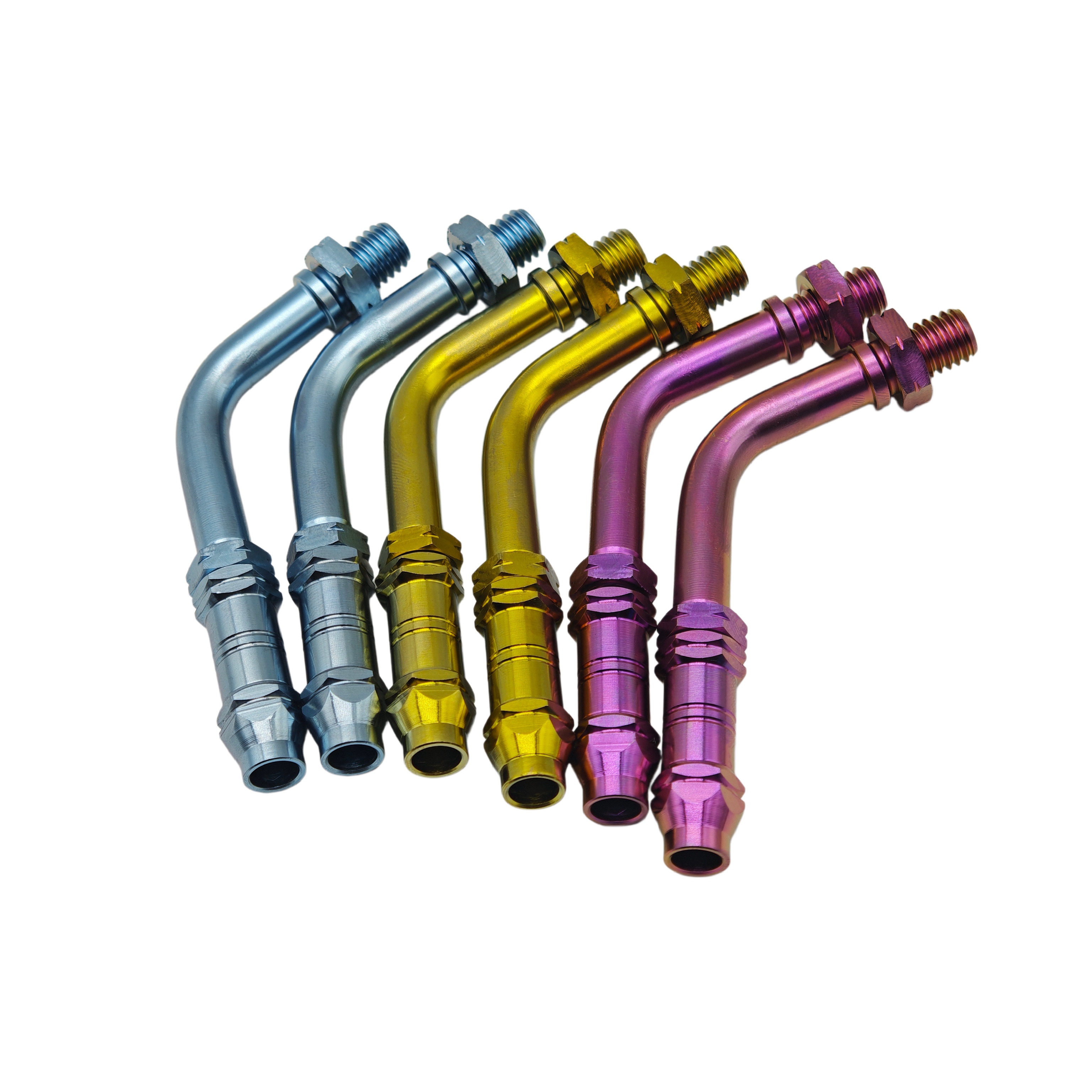
Hydraulic line fittings, exterior sensor housings, and chassis shields on piste machinery must not crack or embrittle at sub-zero temperatures. Titanium maintains ductility down to cryogenic thresholds.
Motorsport & Road Racing Kits
Tyrol's demanding mountain passes demand thermal brake resilience. Our M6-M10 flange brake rotor bolts dissipate heat efficiently, preventing thread softening and maintaining strict torque hold.
Market Shifts: The Future of Titanium Hardware in Austria
Three primary engineering trends dictate procurement priorities across Central European manufacturers through 2030.
E-Mobility Lightweighting
As battery weights strain vehicle payload limits in high-torque electric motorcycles and municipal utility vehicles across Tyrol, secondary mass reduction using high-strength titanium fasteners has shifted from a luxury to an engineering necessity.
Green Alpine Infrastructure
Environmental standards in Austrian national parks forbid toxic rust-inhibiting chemical coatings and frequent replacement of corroded components. Titanium offers a 50+ year maintenance-free lifecycle in wet, saline, and acidic atmospheres.
Additive Manufacturing Synergy
With Innsbruck engineering firms deploying 3D-printed titanium topology-optimized brackets, joining these parts with matching Gr5 fasteners prevents galvanic corrosion couples formed when pairing stainless steel with titanium.
Frequently Asked Questions by Innsbruck Procurement Teams
Clear, direct metallurgical and logistical answers to support informed purchasing decisions.
Can Gr5 titanium directly replace Class 10.9 steel brake bolts?
Yes, provided torque calculations account for titanium’s lower modulus of elasticity (114 GPa). While steel 10.9 has a slightly higher nominal yield strength (940 MPa vs. 828 MPa), Gr5 titanium possesses substantially higher fatigue endurance in high-vibration applications and will never rust or embrittle from winter de-icing chemicals.
How do you mitigate thread galling during rapid mechanical assembly?
Titanium naturally forms an instant titanium oxide film that can seize under friction. We offer specialized surface solutions: precision thread rolling to reduce micro-roughness, optional PVD DLC/Nitride thin films, and specific torque application charts with anti-seize lubrication protocols (copper or nickel-based paste).
What is the standard delivery timeline to Innsbruck / Tyrol?
For standard DIN 912, ISO 7380, and regular flange bolts in stock, dispatch is guaranteed within 24 hours via DHL Express or FedEx Air, reaching Innsbruck logistics hubs within 4 to 6 business days. Custom CNC drawing components require a 3-day rapid prototyping window followed by 7-15 days mass machining.
Do you supply full material test certificates according to EU standards?
Absolutely. Every shipment sent to Austria includes full EN 10204 Type 3.1 inspection certification indicating chemical spectral analysis, tensile testing, elongation, and batch melt numbers traceable directly to the Baoji smelter.
Ready to Upgrade Your Mechanical Fasteners in Innsbruck?
Request our comprehensive 2026/2027 Engineering Hardware Spec Sheet, mechanical CAD drawings, or initiate a custom OEM sample run direct from our factory engineers.
